Metro Safety Training Team
Certified Instructor & Editorial Team
Workplace safety is a critical concern for industries across British Columbia, particularly in sectors involving heavy machinery, manual labor, or high-risk environments. Among the various incidents that occur on BC jobsites, bone injuries stand out due to their severity and the long recovery times they often require. Whether you are a construction worker in Surrey or a warehouse operator in Coquitlam, understanding how to prevent and manage these injuries is vital for your health and the productivity of your team.
A bone injury, such as a fracture or a break, can occur in the blink of an eye but may take months of rehabilitation to heal. This guide explores effective strategies for preventing bone injuries and managing them when they occur, emphasizing the importance of specialized training like Basic First Aid (OFA 1) and proper equipment handling to minimize workplace impact.
Understanding Bone Injuries in BC Workplaces
In British Columbia, bone injuries—which include fractures, breaks, and severe sprains—are frequently cited in WorkSafeBC compliance reports as major causes of long-term disability. These injuries typically stem from falls from heights, machinery accidents, or improper lifting techniques.
A fracture is a medical condition where there is a partial or complete break in the continuity of the bone. For workers in the Lower Mainland, statistics highlight a critical need for proactive safety measures. The consequences of such injuries go beyond physical pain; they lead to extended absences, significant medical expenses, and potential career-ending disabilities.
The Foundation of Prevention: Safety Training in Metro Vancouver
Safety training is the most effective tool for injury prevention. In Metro Vancouver, employees must be equipped with the knowledge to recognize hazards before they result in a trip to the emergency room. Comprehensive Occupational First Aid (OFA) training ensures that workers can both identify risks and take immediate action.
At Metro Safety Training, we provide various levels of certification to meet different workplace needs:
- Basic Skills: Essential for all staff to recognize and react to emergencies.
- Regulatory Compliance: Meeting the specific requirements set by WorkSafeBC for your industry.
- Specialized Knowledge: Training that addresses industry-specific risks, such as construction or manufacturing.
Effective Equipment Handling and Ergonomics
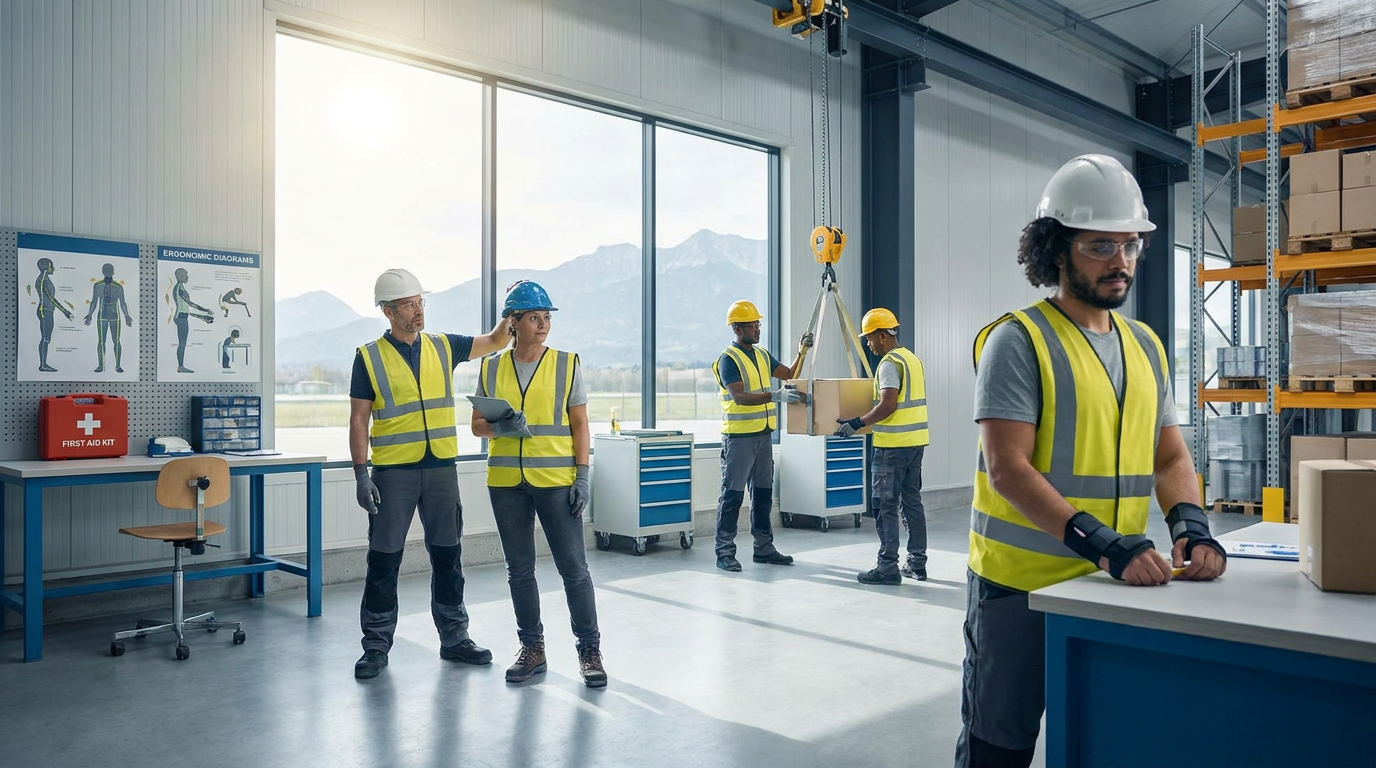
Many bone injuries in the Vancouver area occur due to the improper handling of tools and heavy loads. Whether it’s lifting a heavy pallet or operating a pallet jack, improper technique puts excessive strain on the skeletal system. Training workers in correct body mechanics is essential to prevent stress fractures and acute breaks.
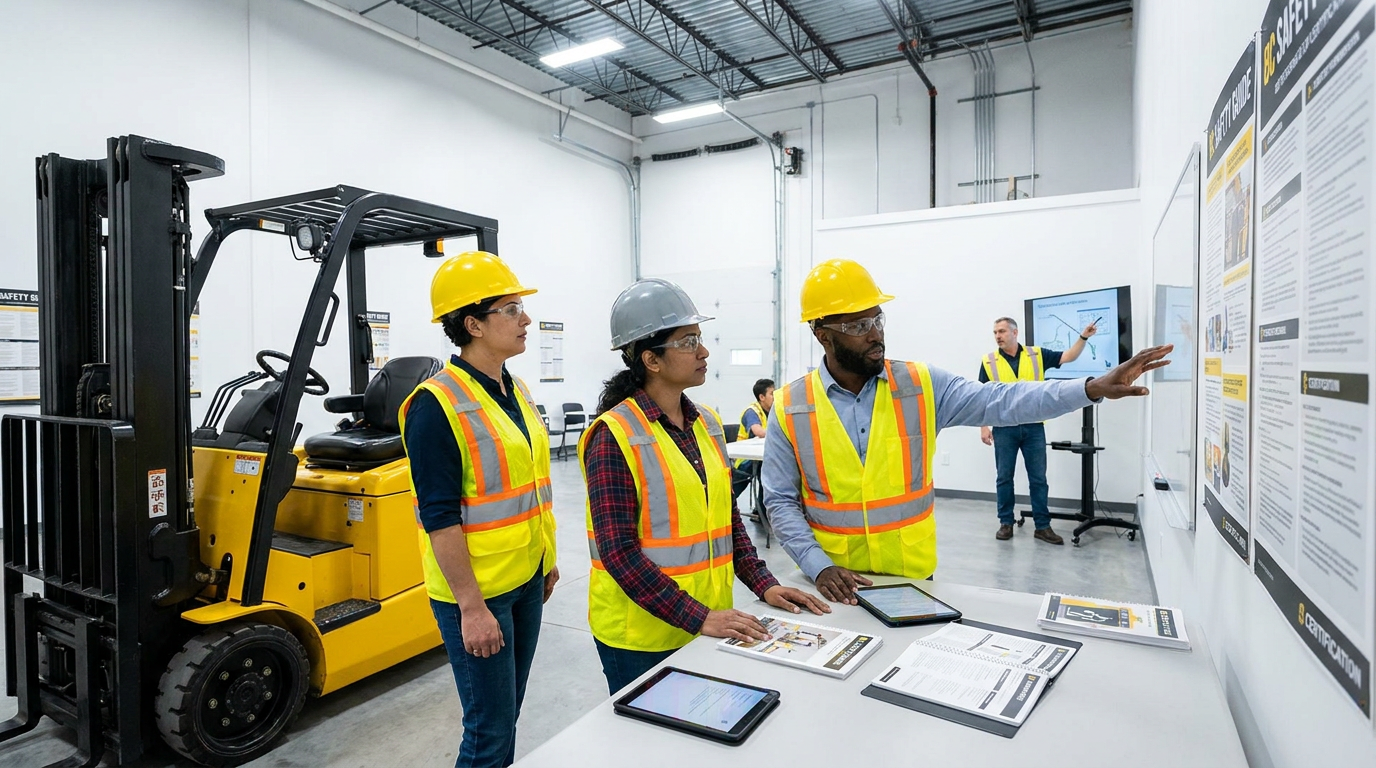
In industries like warehousing and construction, Intermediate First Aid (OFA 2) training helps workers understand their physical limits and how to assist peers. Furthermore, specialized certifications—such as Forklift Certification—ensure that operators are not just moving heavy loads, but doing so in a way that protects themselves and those around them. Proper maintenance of this equipment is equally important; a malfunctioning machine is a fracture waiting to happen.
Maintaining a Hazard-Free Work Environment in Burnaby and New Westminster
The physical layout of your workspace in Burnaby or New Westminster can either prevent or cause bone injuries. A well-organized, clean area significantly minimizes the risk of slips, trips, and falls. Employers should prioritize:
- Clear Walkways: Keeping paths free of debris, scrap materials, and cables.
- Spill Management: Immediate cleanup of liquids. Learn more about handling chemical spills to prevent slips and toxic exposure.
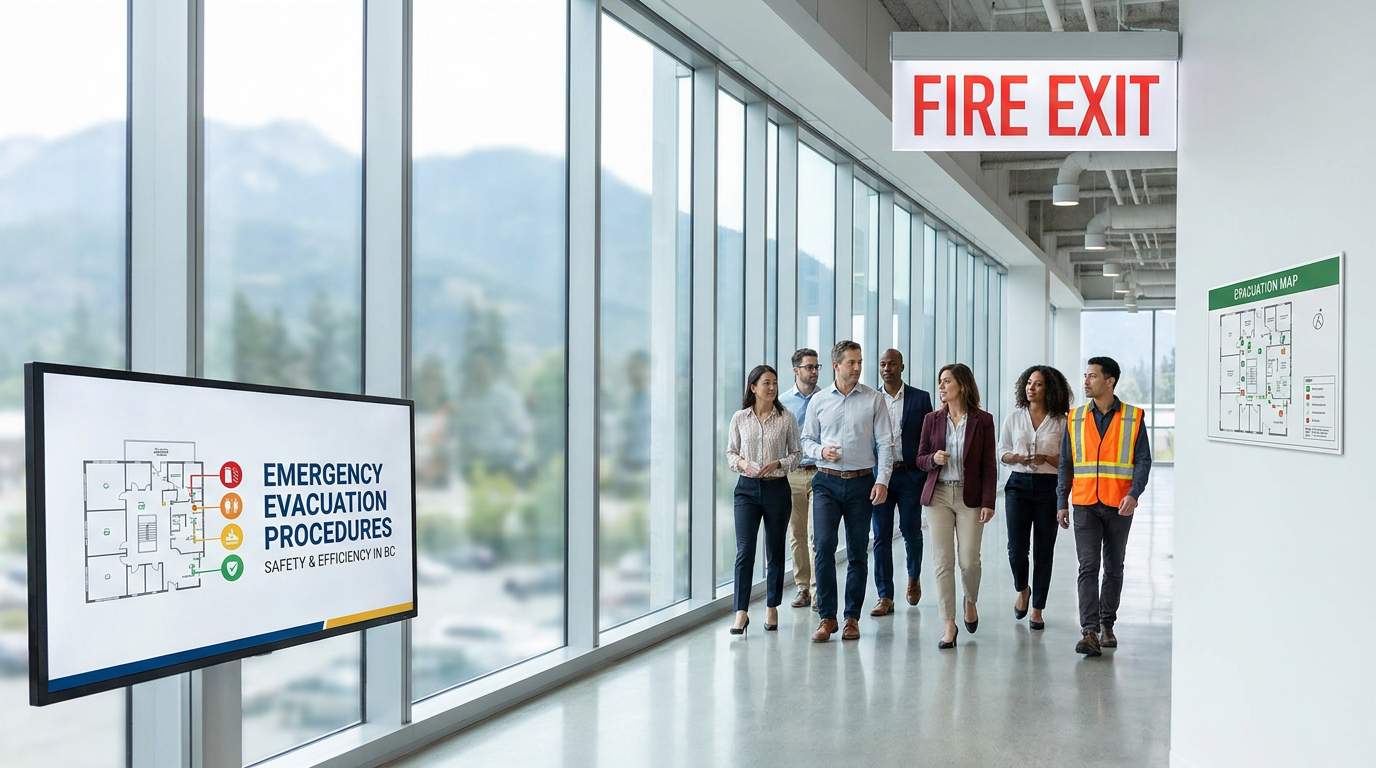
- Signage and Lighting: Ensuring high-traffic areas are well-lit and hazards are clearly marked.
Regular safety audits are a key component of a safe workplace. By involving employees in these inspections, you can identify localized hazards that might be overlooked during a routine walkthrough.
Personal Protective Equipment (PPE) as a Shield
When preventive measures aren't enough, PPE serves as the final line of defense against bone injuries. For BC workers, the right gear can mean the difference between a minor bruise and a multi-month recovery:
- Helmets: Protecting the skull from impact fractures.
- Steel-Toed Boots: Essential for preventing crushing injuries to the feet from dropped objects.
- Gloves: Reducing the risk of finger fractures during heavy handling or material sorting.
Emergency Response: How to Manage a Fracture
How do you treat a suspected bone injury at work? The primary goal is to immobilize the area and prevent further damage until professional help arrives. This is where Advanced First Aid (OFA 3) becomes invaluable, providing the skills to manage complex trauma.
Every BC workplace should follow this protocol:
- Assess the Scene: Check for ongoing hazards and call for a designated first aid attendant.
- Immobilize: Support the injured area using splints, bandages, or padding found in your workplace first aid kit.
- Monitor: Ensure the worker is comfortable, treated for shock, and monitored until BC Emergency Health Services arrive.
High-Risk Scenario Preparation in Coquitlam
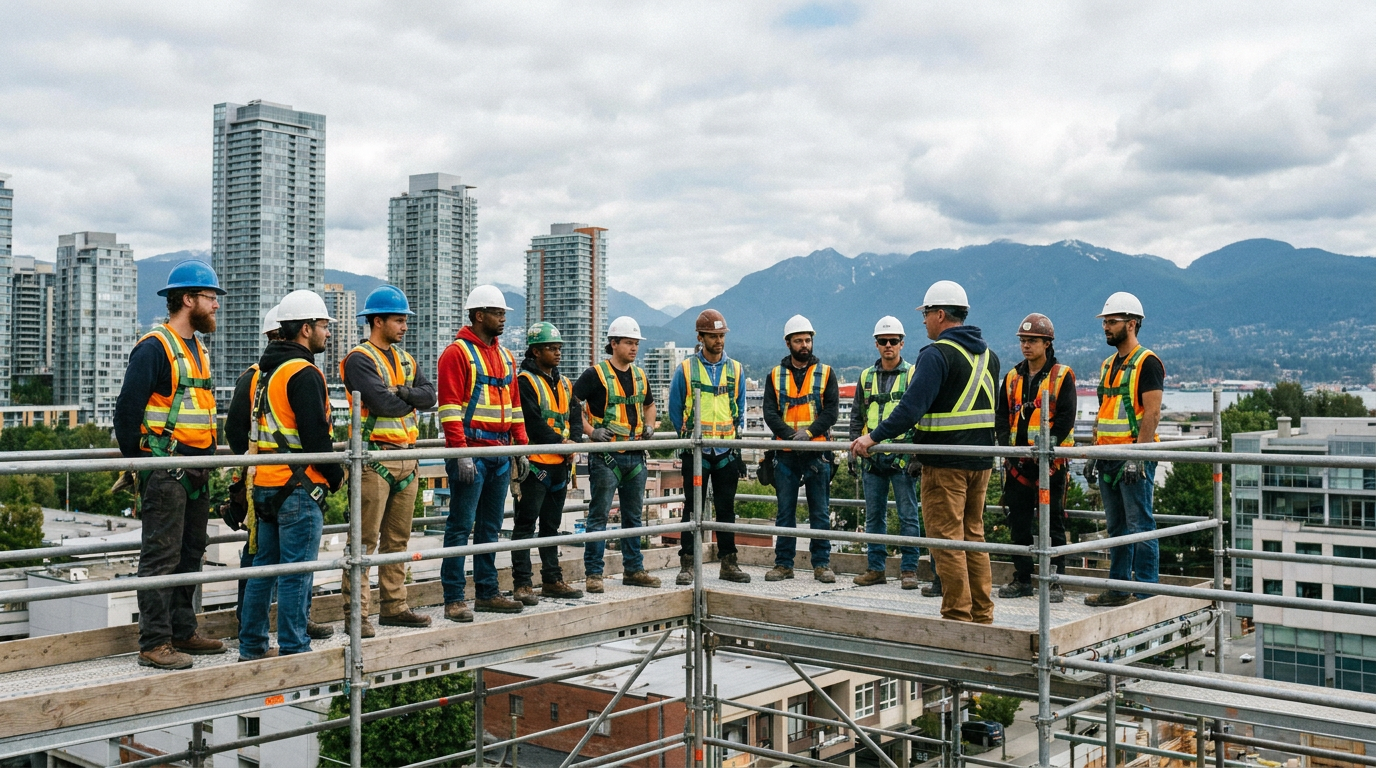
For those working in specialized environments, standard first aid may not be enough. Regular safety drills for high-risk scenarios are vital. This includes Fall Protection Training for those working at heights and Confined Space Safety for workers in utility or industrial tanks. These drills build the muscle memory needed to respond calmly during a real bone-injury emergency at our Coquitlam training center or your jobsite.
Conclusion: Building a Culture of Safety
Preventing and managing bone injuries in the workplace is a multifaceted process that requires more than just rules—it requires a culture of safety. By investing in professional training and fostering open communication, BC employers can protect their most valuable asset: their people. From understanding ergonomics to mastering advanced immobilization techniques, every step taken toward education reduces the risk of a life-altering injury.
Whether you need training in Surrey or are looking for a Vancouver safety course, Metro Safety Training is here to help. We offer everything from basic certifications to advanced safety protocols to ensure your team is prepared for anything.
Protect your team today. Contact Metro Safety Training to book your next safety session.
Frequently Asked Questions
Need Safety Training?
Metro Safety Training runs WorkSafeBC-recognized first aid, CPR and workplace safety courses in Coquitlam, Surrey and Burnaby, and on-site anywhere in Metro Vancouver.
coquitlam
surrey
Upcoming Related Courses
AFA- Oct 26- Nov 6, 2026
October 26, 2026
6a1763b2-4c7b-4caa-81f1-c292cd1054d8
$889
Basic First Aid- October 27,2026-Coquitlam
October 27, 2026
6a1763b2-4c7b-4caa-81f1-c292cd1054d8
$98
Intermediate First Aid-October 27-28, 2026-Coquitlam
October 27, 2026
6a1763b2-4c7b-4caa-81f1-c292cd1054d8
$178
AFA-R November 2-6, 2026 Coquitlam, BC
November 2, 2026
6a1763b2-4c7b-4caa-81f1-c292cd1054d8
$698
Intermediate First Aid-November 3-4, 2026-Coquitlam
November 3, 2026
6a1763b2-4c7b-4caa-81f1-c292cd1054d8
$178
Basic First Aid-November 3, 2026
November 3, 2026
6a1763b2-4c7b-4caa-81f1-c292cd1054d8
$98