Metro Safety Training Team
Certified Instructor & Editorial Team
Emergencies are unpredictable and can occur at any moment, making it crucial to be prepared with both the right supplies and the right skills. Whether you’re at home in Coquitlam, commuting through Metro Vancouver, or working on a high-risk job site in Surrey, having a well-stocked first aid kit is your first line of defense. However, a kit is only as effective as the person using it.
For individuals and businesses across the Lower Mainland, understanding the essential components of a first aid kit and professional first aid training is the key to life-saving readiness. In this guide, we will break down the must-have items for your medical arsenal and explain how specialized first aid training in Canada ensures you are ready to act when every second counts.
Understanding the Importance of a Professional First Aid Kit
A first aid kit is more than just a box of bandages; it is a critical resource for managing injuries before professional medical help arrives. In British Columbia, having the right supplies isn't just a good idea—it's often a legal requirement. Employers must adhere to WorkSafeBC first aid requirements, which dictate the type and quantity of supplies needed based on the workplace hazard rating and number of employees.
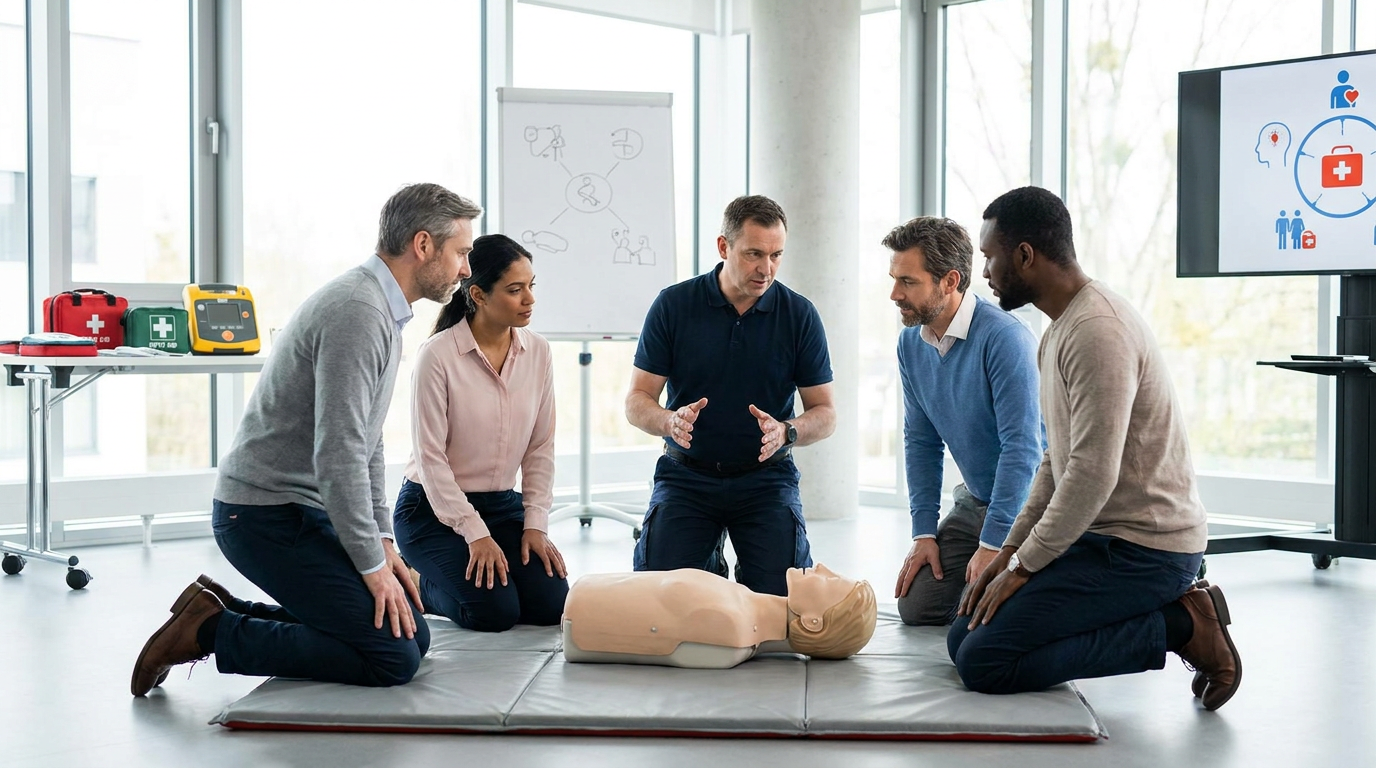
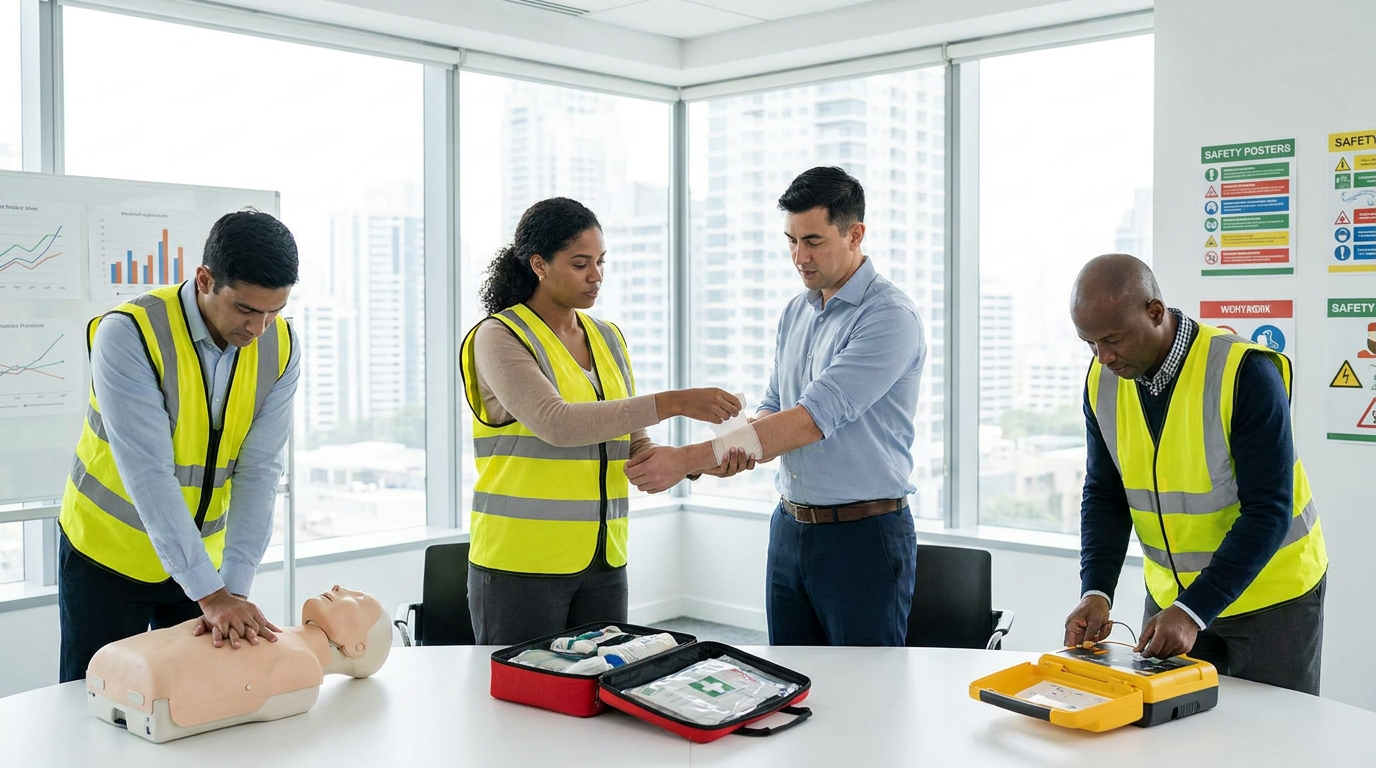
While having supplies is the first step, knowing how to apply them determines the outcome of an emergency. From treating minor burns to performing life-saving CPR, the confidence to act comes from hands-on experience gained in a certified classroom setting.
Essential Components of a First Aid Kit
Your kit should be tailored to your environment, but several core items are universal. If you are building a kit for your residence, refer to our Canada home first aid kit checklist for a detailed breakdown. Otherwise, ensure your kit contains these vitals:
Adhesive Bandages and Sterile Dressings
Adhesive bandages are for minor cuts and abrasions. However, for significant wounds or heavy bleeding often seen on industrial sites, larger sterile dressings are required. Proper wound management—one of the first skills taught in Basic First Aid (OFA 1)—is essential to prevent infection and promote healing.
Antiseptics and Antibiotic Ointments
Cleaning a wound is the first step in preventing long-term complications. Alcohol wipes or iodine solutions remove debris and bacteria. In more advanced settings, such as those covered in Intermediate First Aid (OFA 2), responders learn to manage more complex wound hygiene scenarios.
CPR Face Shield and Safety Barriers
Safety for the responder is paramount. A CPR face shield provides a one-way valve barrier during rescue breathing, protecting you from disease transmission. Using personal protective equipment (PPE) like disposable nitrile gloves is a standard practice taught in all Emergency First Aid & CPR/AED courses.
Tools: Scissors, Tweezers, and Thermometers
Medical-grade scissors are necessary for cutting away clothing to access an injury or trimming gauze. Tweezers are essential for removing splinters or debris. For those working in the elements across BC, a thermometer helps monitor for signs of heatstroke or hypothermia.
Matching Your Skills to the Environment
First aid training is not one-size-fits-all. Depending on your career or lifestyle in the Lower Mainland, you may need a specific certification level:
- Entry-Level Preparedness: Ideal for office workers and the general public, focusing on common household and workplace accidents.
- Professional Workplaces: For those in construction or manufacturing, Occupational First Aid (OFA) levels are required to meet WorkSafeBC standards.
- High-Risk Roles: For remote locations or high-hazard industries, Advanced First Aid (OFA 3) provides the skills needed for prolonged patient care and complex trauma.
Specialized Training for High-Risk Environments
In certain industries around Metro Vancouver, first aid is just one piece of the safety puzzle. If your job involves heights or enclosed areas, you must integrate your medical knowledge with specialized safety certifications:
- Fall Protection: Working at heights in Burnaby or New Westminster requires Fall Protection Training to prevent and respond to suspension trauma.
- Confined Spaces: Underground utilities or storage tanks pose unique atmospheric risks. If an accident occurs in these areas, responders must have Confined Space Safety training to ensure they don't become victims themselves.
Conclusion: Get Prepared with Metro Safety Training
A well-stocked first aid kit is your most valuable tool during an emergency, but it requires a trained hand to be effective. Whether you are a homeowner in Coquitlam or a safety officer in Vancouver, staying current with your certifications is the best way to ensure the safety of those around you.
Metro Safety Training offers a full suite of courses, from Standard First Aid to specialized industrial safety. Don't wait for an accident to happen—arm yourself with the skills and supplies needed to save lives. Serving the entire Lower Mainland, our instructors provide the practical, hands-on experience you need to stay compliant and confident.
Contact Metro Safety Training today to find a course at our Coquitlam, Vancouver, or Surrey locations.
Frequently Asked Questions
Need Safety Training?
Metro Safety Training runs WorkSafeBC-recognized first aid, CPR and workplace safety courses in Coquitlam, Surrey and Burnaby, and on-site anywhere in Metro Vancouver.
coquitlam
surrey