Metro Safety Training Team
Certified Instructor & Editorial Team
Updated June 30, 2026
Many Canadian households mistakenly rely on a few loose bandages and a tube of expired antibiotic ointment. In a real emergency, this isn't preparedness—it’s a false sense of security. Knowing exactly what to put in a home first aid kit in Canada means building a resource your family can genuinely rely on when injuries occur. Whether you are in Coquitlam, Burnaby, or anywhere in the Lower Mainland, having the right supplies in the right quantities is essential for household safety. This guide walks you through the essential checklist, from Canadian Red Cross baselines to family-specific add-ons and critical maintenance routines.
What Canadian Guidelines Say About Home First Aid Kit Contents
In Canada, there is a distinct difference between workplace requirements and residential recommendations. While the CSA Z1220 standard governs workplace kits to ensure safety for BC employees, there is no legal requirement for residential kits. However, emergency experts throughout Metro Vancouver recommend using these professional standards as a high-quality benchmark for home safety.
The Canadian Red Cross and St. John Ambulance provide the most reliable frameworks for home preparedness. Specifically, the updated CSA Z1220:24 standard offers a credible, tested framework that you can adapt for your household. While you can purchase a pre-made Canadian Red Cross Deluxe First Aid Kit, many Vancouver area professionals prefer to customize their kits to include specific protective barriers and wound care items that meet their family's unique needs and local environmental factors.
What to Put in a Home First Aid Kit in Canada: The Core Checklist
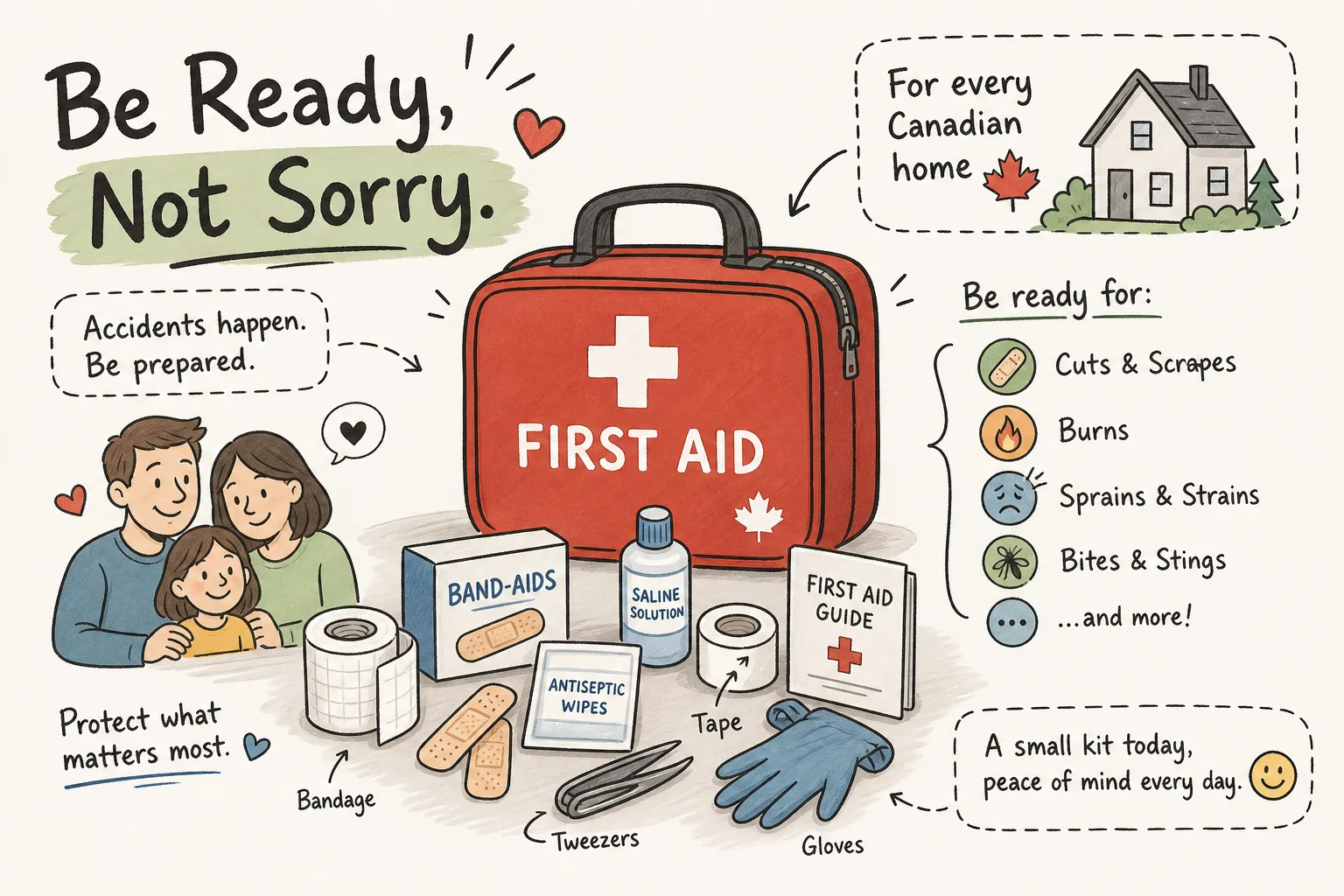
A well-stocked Canadian home first aid kit should be organized into three main categories: wound care, protective gear, and essential tools. This organization helps you find what you need quickly during a stressful situation.
1. Wound Care Essentials
Wound care is the foundation of any home first aid kit in Canada. To handle everything from kitchen cuts in Coquitlam to falls in a Burnaby park, ensure you have:
- Adhesive Bandages: Multiple sizes, including specialized knuckle and fingertip shapes for kitchen injuries.
- Sterile Gauze Pads: Assorted sizes (2x2, 3x3, and 4x4 inch) for cleaning and covering larger wounds.
- Roller Gauze: At least two different widths (2-inch and 4-inch) for wrapping limbs.
- Butterfly Closure Strips: Critical for keeping deeper lacerations together that might eventually need professional stitches.
- Triangular Bandages: Versatile tools used for slings or as improvised splints.
- Medical Tape: Preferably breathable paper tape to accommodate family members with sensitive skin.
2. Protective Gear & Barriers
According to WorkSafeBC and Red Cross training standards, protecting the first aid provider is just as important as treating the victim. Your kit must include:
- Nitrile Gloves: At least three pairs of latex-free gloves to avoid potential allergic reactions.
- CPR Pocket Mask: A high-quality mask with a one-way valve is essential to prevent cross-contamination during rescue breathing.
- Antiseptic Wipes: Used for cleaning skin around a wound and sanitizing the hands of the responder.
- Biohazard Bag: For the safe and sanitary disposal of blood-soaked or soiled materials.
3. Tools and Emergency Extras
Common household accidents in the Lower Mainland often happen during power outages or at night. Include these essential tools:
- Stainless Steel Scissors & Tweezers: For precision cutting of bandages and safe removal of splinters or debris.
- Instant Cold Packs: A minimum of two for treating household sprains, strains, or minor burns.
- 12-Hour Glow Stick: Highly recommended by the Red Cross for low-light emergencies when flashlights may fail.
- First Aid Reference Guide: A physical, printed manual is vital, as mobile data or digital access may be limited during a regional Vancouver emergency.
Personalizing Your Kit for Infants, Seniors, and Pets
A generic kit often misses items required for the most vulnerable members of your family. If you live in a multi-generational household in Surrey or Coquitlam, consider adding these specialized supplies:
- For Infants/Children: Include a rectal thermometer (essential for babies under 3 months), a nasal aspirator, child-sized bandages, and oral rehydration salts for dehydration.
- For Seniors: Include a digital blood pressure cuff, a clear, updated list of current medications/dosages, and spare prescription glasses.
- For Pets: Add self-adhesive wrap (which won't stick to fur), saline solution for eye flushing, and the Pet Poison Helpline number (1-855-764-7661) near your emergency contact list.
Medications: What to Include and What to Avoid
A thoughtful Canadian home kit includes basic over-the-counter medications, but they require careful management. Include Acetaminophen (Tylenol) and Ibuprofen (Advil) for pain and fever, and Loratadine for non-drowsy allergy relief.
Safety Warning: Never include aspirin in a kit used by children or teenagers due to the risk of Reye’s Syndrome. Always use weight-based dosing for pediatric medications. If you are unsure about a medication or a symptom, residents in BC can call HealthLink BC at 8-1-1 for 24-hour professional nursing advice.
Storage and Maintenance in the Lower Mainland
Where you store your kit is just as important as the contents. Avoid the bathroom; the high humidity from showers can degrade bandage adhesives and significantly reduce the shelf life of medications.
Pro Tip: Store your kit in a cool, dry, and accessible place like a kitchen cupboard or laundry room near an exit. Tie your kit review to the twice-yearly time change. When you "Spring Forward" or "Fall Back" in BC, check for expired medications, brittle gloves, and used supplies. This five-minute habit ensures your family is always ready for a medical emergency.
A Stocked Kit Is Only Half of Real Preparedness
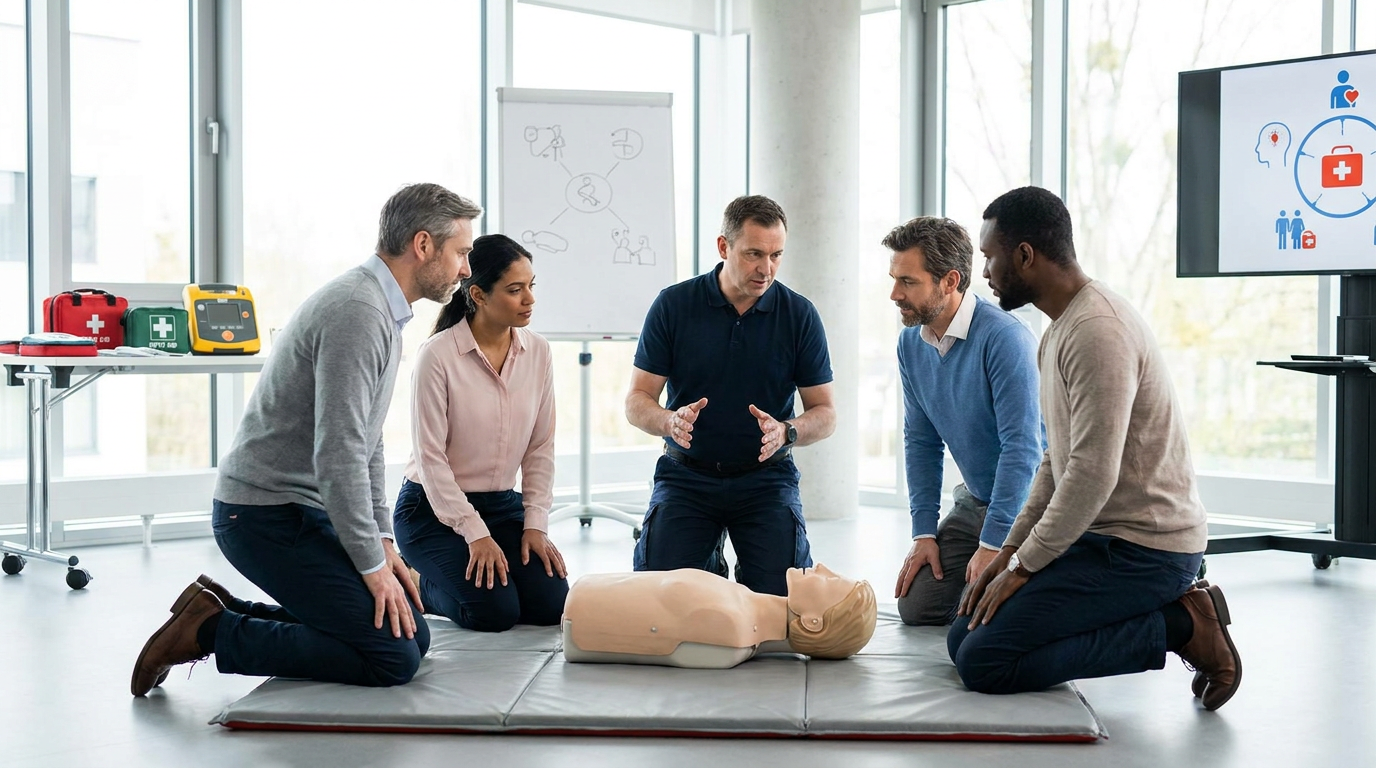
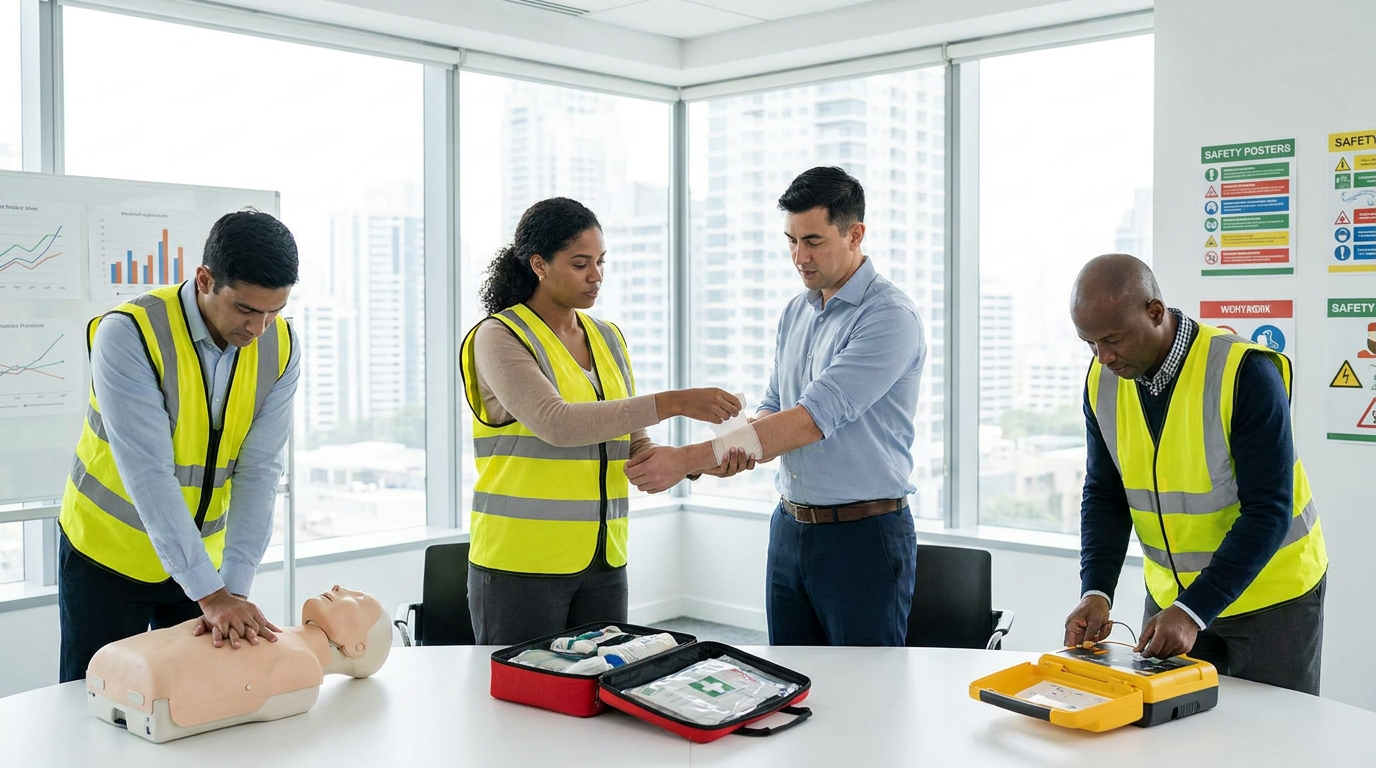
Having a comprehensive checklist for your home first aid kit is a great first step, but tools are only effective if you have the skills to use them. A CPR mask is useless if you haven't practiced rescue breathing, and a pressure bandage can be ineffective—or even dangerous—if applied incorrectly. At Metro Safety Training, we provide hands-on, WorkSafeBC-compliant training to residents in Coquitlam, Burnaby, and throughout the Greater Vancouver area. Our courses give you the confidence to handle severe bleeding, choking, and cardiac arrest. Build your kit today, then build your skills to protect the ones you love.
Frequently Asked Questions
Need Safety Training?
Metro Safety Training runs WorkSafeBC-recognized first aid, CPR and workplace safety courses in Coquitlam, Surrey and Burnaby, and on-site anywhere in Metro Vancouver.
coquitlam
surrey
Upcoming Related Courses
AFA- Oct 26- Nov 6, 2026
October 26, 2026
6a1763b2-4c7b-4caa-81f1-c292cd1054d8
$889
Basic First Aid- October 27,2026-Coquitlam
October 27, 2026
6a1763b2-4c7b-4caa-81f1-c292cd1054d8
$98
AFA-R November 2-6, 2026 Coquitlam, BC
November 2, 2026
6a1763b2-4c7b-4caa-81f1-c292cd1054d8
$698
Basic First Aid-November 3, 2026
November 3, 2026
6a1763b2-4c7b-4caa-81f1-c292cd1054d8
$98
Red Cross CPR-C-November 4, 2026-Surrey
November 4, 2026
e213be70-5c29-4736-a5d9-dad3727d3d5e
$69.95
Standard First Aid-November 4, 2026-Surrey
November 4, 2026
e213be70-5c29-4736-a5d9-dad3727d3d5e
$148