Metro Safety Training Team
Certified Instructor & Editorial Team
Chemical spills can occur in various settings across British Columbia, from industrial plants in Surrey to laboratories in Vancouver and even in residential homes. When such accidents happen, the consequences can be severe, leading to dangerous chemical exposure that may result in serious injuries or long-term health effects. Proper handling of chemical spills is critical to minimizing harm and ensuring a safe environment for everyone in the Lower Mainland. This guide outlines the necessary steps to take when dealing with chemical spills, emphasizing safety measures and first aid procedures required by WorkSafeBC standards.
What is Chemical Exposure?
Chemical exposure occurs when harmful substances come into contact with the skin, eyes, or respiratory system, or are accidentally ingested. The severity of exposure depends on the chemical's properties, the concentration, and the duration of contact. In BC workplaces, understanding these risks is a fundamental part of Intermediate First Aid (OFA 2) training, which prepares attendants to manage more complex industrial injuries common in Metro Vancouver manufacturing and logistics sectors.
Chemical exposure can lead to various health issues, including skin burns, respiratory distress, and systemic toxicity. Immediate response and proper safety measures can significantly reduce the risk of permanent injury. This is where the comprehensive knowledge gained from Emergency First Aid & CPR/AED and advanced licensing becomes invaluable for workers and residents alike.
Immediate Response to Chemical Spills in the Workplace
When a chemical spill occurs in a BC workplace, the initial moments are critical. Quick and decisive action can prevent further exposure and contain the hazard before it spreads through a facility. Following site-specific Occupational First Aid guidelines is essential for a coordinated response. Follow these four steps:
- Assess the Situation: Determine the type of chemical involved, the volume of the spill, and the immediate risks to yourself and others. Always refer to the Safety Data Sheet (SDS) for specific hazard information.
- Evacuate the Area: If the spill involves large quantities or occurs in a tight space, evacuate immediately. Our guide to confined space safety highlights how toxic vapors can quickly reach lethal concentrations in enclosed areas.
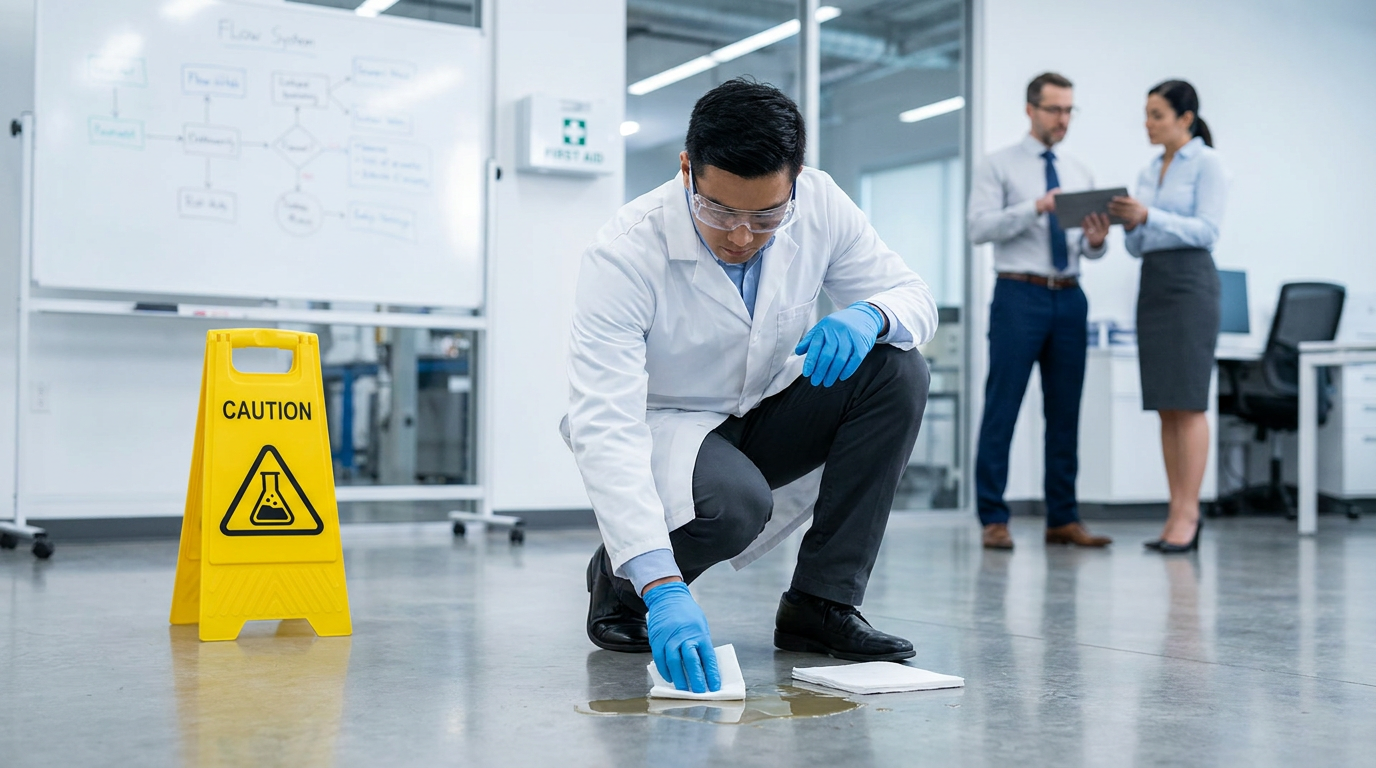
- Use Personal Protective Equipment (PPE): Never attempt to manage a spill without appropriate PPE, such as nitrile gloves, chemical goggles, and respirators suitable for the specific substance.
- Contain the Spill: If safe, use absorbent materials or spill kits to prevent the chemical from entering drains or spreading across the floor.
First Aid Procedures for Chemical Exposure
Even with strict adherence to WorkSafeBC first aid requirements, accidents can happen. Knowing how to administer immediate care is vital for recovery and minimizing long-term damage.
Skin Exposure
When chemicals touch the skin, they can cause immediate corrosive burns or delayed allergic reactions. Immediate decontamination is the priority.
- Remove Contaminated Clothing: Quickly strip away any fabric that has absorbed the chemical to prevent further skin contact.
- Rinse the Affected Area: Flush the skin with cool water for at least 15-20 minutes. This is a core technique taught in the Basic First Aid (OFA 1) course.
- Seek Medical Attention: Some chemicals have systemic effects that aren't immediately visible, requiring professional assessment.
Eye Exposure
Chemical contact with the eyes is a medical emergency that can lead to permanent vision loss if not treated within seconds. Flushing must begin immediately at an eyewash station or with clean water.
- Flush the Eyes: Use an eyewash station for a minimum of 15 minutes. Hold the eyelids open to ensure thorough irrigation.
- Remove Contact Lenses: If the victim is wearing lenses, remove them during the flushing process so they don't trap chemicals against the cornea.
- Seek Emergency Help: Transport the individual to a hospital in Coquitlam, Vancouver, or the nearest ER immediately.
Inhalation Exposure
Inhaling toxic fumes can cause respiratory distress or localized lung damage. Getting the victim to "clean air" is the primary goal of the first responder.
- Move to Fresh Air: Immediately relocate the person to a well-ventilated outdoor area.
- Monitor Breathing: If the person stops breathing, begin CPR. Having a Canadian Red Cross Level C certification ensures you can perform these life-saving steps confidently.
Preventive Safety Measures for BC Employers
The best way to manage a spill is to prevent it from happening. Under WorkSafeBC first aid requirements, employers must ensure workers are trained in the specific hazards of their environment, including WHMIS and spill response.
Proper Storage and Handling
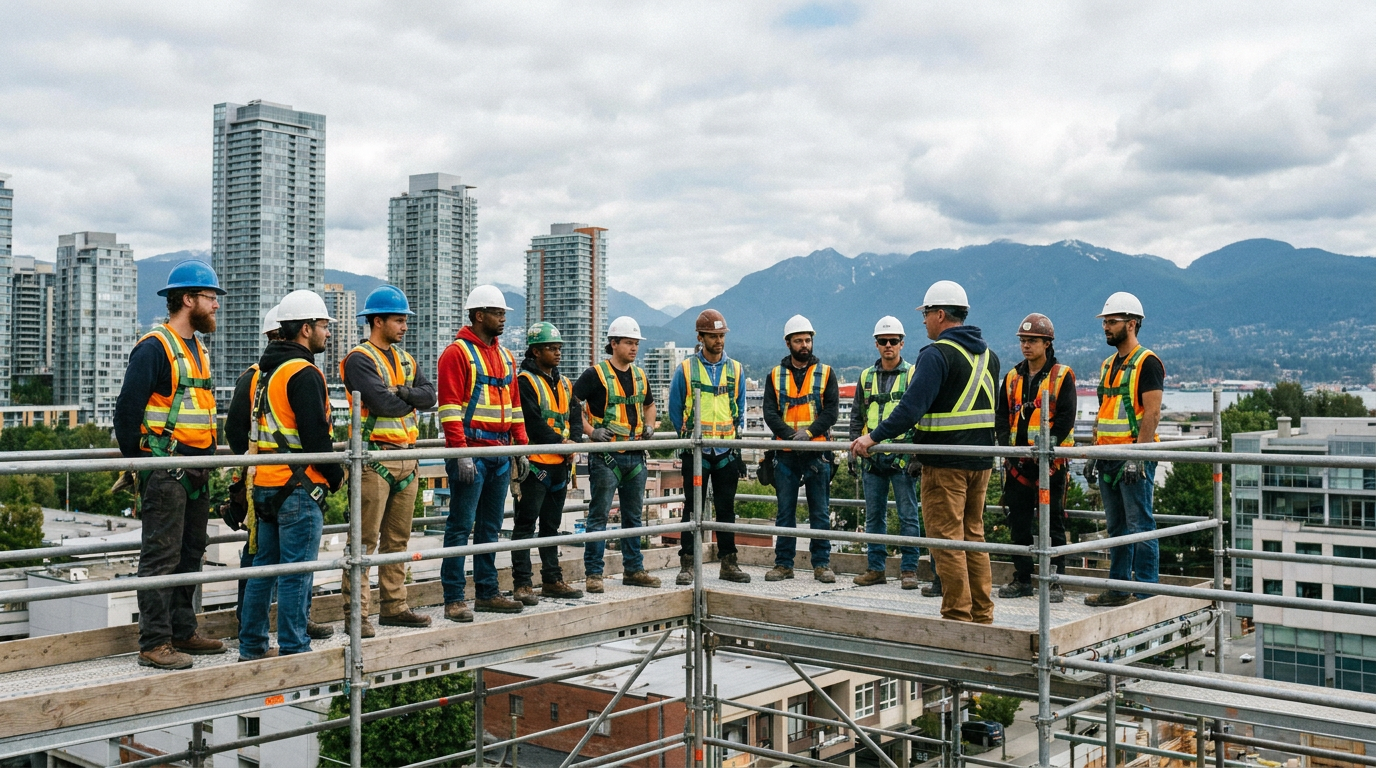
Chemicals must be stored in compatible, clearly labeled containers in well-ventilated areas. In high-risk industries, such as construction, workers should also hold Fall Protection Training to ensure they don't cause spills while working at heights or on ladders, which could lead to widespread contamination.
Regular Safety Training
Conducting regular drills ensures that your team knows exactly where spill kits and eyewash stations are located. For those managing crews, Advanced First Aid (OFA 3) provides the high-level oversight needed to manage major industrial incidents in remote or large-scale locations across Burnaby and the Metro Vancouver region.
Conclusion: Stay Prepared with Metro Safety Training
Handling chemical spills requires a proactive approach to safety and a deep understanding of first aid protocols. Whether you are a teacher looking into first aid training for teachers or an industrial worker in New Westminster, being prepared can save lives. By investing in professional training, you ensure your workplace remains compliant with BC provincial regulations and that your team feels empowered to act during an emergency.
For residents and businesses in Coquitlam, Surrey, and Vancouver, Metro Safety Training offers the province's leading safety programs. Contact Metro Safety Training today to book your next certification and protect your team from chemical hazards.
Frequently Asked Questions
Need Safety Training?
Metro Safety Training runs WorkSafeBC-recognized first aid, CPR and workplace safety courses in Coquitlam, Surrey and Burnaby, and on-site anywhere in Metro Vancouver.
coquitlam
surrey