Metro Safety Training Team
Certified Instructor & Editorial Team
Confined spaces present a unique set of hazards that can pose serious risks to workers across various industries in British Columbia. From underground vaults to industrial silos, these environments require specialized knowledge to prevent fatalities. In the Lower Mainland, effective confined space training is not just a best practice—it is a critical regulatory requirement under WorkSafeBC for mitigating risks and ensuring safe entry and rescue operations.
This guide explores the specific dangers of confined spaces, essential WorkSafeBC regulatory requirements, and the training strategies necessary to keep your team safe. Whether you are seeking Confined Space Safety certification or general workplace education, understanding these hazards is the first step toward a safer job site.
What is a Confined Space? In the Vancouver area and throughout BC, a confined space is defined as an area that is not designed for continuous occupancy, has limited or restricted means of entry or exit, and is large enough for a worker to enter and perform certain tasks. Because these spaces are not intended for regular human presence, they naturally accumulate hazards that are often absent in typical open-air environments.
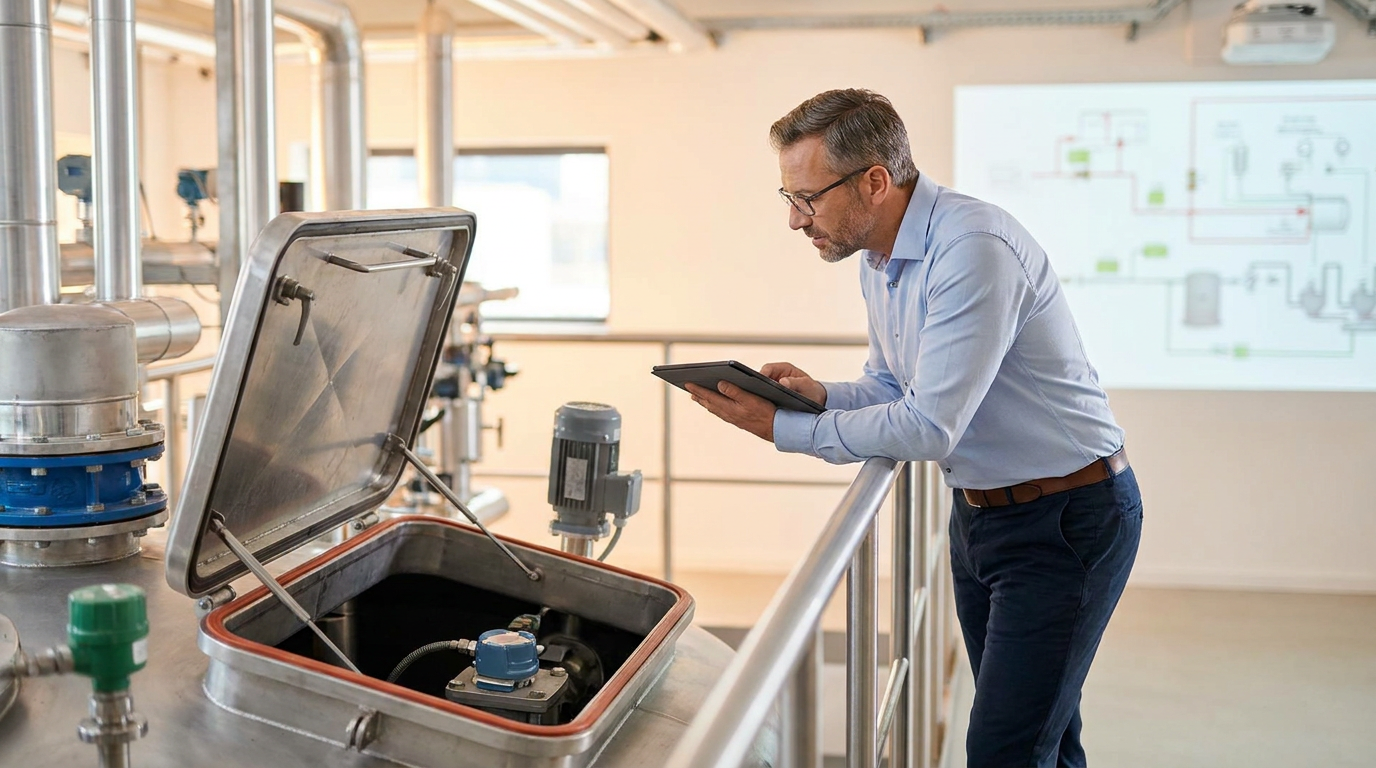
Common examples found in the Lower Mainland include storage tanks, sewers, silos, vaults, and pits. Many of these locations are adjacent to major infrastructure near SkyTrain routes or industrial hubs in Burnaby and New Westminster.
Unique Hazards Associated with Confined Spaces
The unique hazards of confined spaces make them particularly dangerous because they are often invisible or occur rapidly. High-risk factors include:
- Oxygen Deficiency: Poor ventilation can lead to low oxygen levels (less than 19.5%), causing sudden loss of consciousness or suffocation.
- Toxic Atmospheres: Hazardous gases (like hydrogen sulfide) or vapors can accumulate, posing a severe risk of poisoning.
- Flammable Atmospheres: The buildup of flammable gases or dust creates a high risk of explosions or fires.
- Engulfment: In silos or pits found in BC’s agricultural and construction sectors, workers can be buried by loose materials like grain or sand.
- Mechanical Hazards: Moving machinery parts within a cramped space can cause crushing injuries.
- Physical Hazards: Poor lighting and slippery surfaces significantly increase the risk of slips and falls. If a worker is injured, the confined nature of the space makes emergency first aid response much more complex.
WorkSafeBC Regulatory Requirements for BC Employers
In British Columbia, confined space safety is strictly regulated by the Occupational Health and Safety (OHS) Regulation. Employers must identify every confined space in their workplace, assess the risks, and implement a formal safety program. Key compliance requirements include:
1. Professional Hazard Assessment
A qualified person must conduct a thorough hazard assessment for each space. This identifies atmospheric risks, potential for engulfment, and physical obstacles. Given the complexity of these assessments, many employers in Coquitlam and Burnaby rely on professional Construction Safety Officer training to ensure their sites remain compliant with provincial law.
2. The Written Confined Space Program
A written program is mandatory. It must outline safe entry procedures, the entry permit system, and specific atmospheric testing protocols. It should also detail the use of Personal Protective Equipment (PPE) and comprehensive rescue plans tailored to the specific site.
3. Entry Permit System
No worker should enter a confined space without a valid, signed permit. This permit serves as a checklist to ensure all safety measures—such as gas monitoring and ventilation—are active and that authorized attendants are in place to monitor the entrants at all times.
4. Atmospheric Testing and Monitoring
Continuous monitoring is vital. Air quality must be tested for oxygen levels and toxic/flammable contaminants before entry and throughout the duration of the work. If levels fluctuate, workers must evacuate immediately. This is a core component of maintaining WorkSafeBC compliance on modern job sites.
Effective Training and PPE Strategies
Personal Protective Equipment is the last line of defense in a confined space. This includes respiratory protection (like SCBAs), head protection, and specialized rescue harnesses. However, equipment is only effective if the worker knows how to use it under high-pressure scenarios.
Effective training strategies for Metro Vancouver professionals include:
- Comprehensive Initial Training: Covering everything from gas detector calibration to rescue techniques at our Coquitlam training centre.
- Annual Refresher Training: Keeping skills sharp and ensuring staff are aware of updated safety protocols.
- Hands-on Drills: Practicing rescue maneuvers using tripods, winches, and davit systems.
Integrating First Aid Skills for Confined Space Workers
When an accident occurs in a confined space, the first few minutes are critical. Often, the rescuer is also at risk. This is why having workers or standby attendants certified in Advanced First Aid (OFA 3) or Intermediate First Aid (OFA 2) is essential for high-risk industrial sites in the Lower Mainland.
For lower-risk environments or smaller teams, ensuring that attendants have completed Basic First Aid (OFA 1) can provide the necessary foundation to manage injuries until paramedics arrive. For professionals serving the Surrey area, localized training ensures your certification meets the specific needs of BC industries.
Conclusion
Confined spaces are inherently dangerous, but with the right combination of hazard assessment, regulatory compliance, and hands-on training, the risks can be managed effectively. Metro Safety Training provides industry-leading safety education across the Lower Mainland, from our main campus in Coquitlam to on-site sessions in Vancouver and Surrey. Don't wait for a near-miss to evaluate your safety protocols. Ensure your team is prepared for the unique challenges of confined spaces today.
Ready to certify your team or learn more about WorkSafeBC requirements? Contact Metro Safety Training to book your next session and keep your workplace safe and compliant.
Frequently Asked Questions
Need Safety Training?
Metro Safety Training runs WorkSafeBC-recognized first aid, CPR and workplace safety courses in Coquitlam, Surrey and Burnaby, and on-site anywhere in Metro Vancouver.
coquitlam
surrey