Metro Safety Training Team
Certified Instructor & Editorial Team
Working in confined spaces presents unique challenges that require specialized training, rigorous risk management, and strict adherence to provincial safety regulations. For workers in Surrey BC, where industries ranging from construction to manufacturing thrive, the importance of confined space safety cannot be overstated. Ensuring that every worker returns home safely requires more than just awareness; it requires a culture of preparedness and technical expertise rooted in WorkSafeBC standards.
What is a Confined Space?
A confined space is defined by WorkSafeBC as an area that is enclosed or partially enclosed, is not designed or intended for continuous human occupancy, and has limited or restricted means for entry or exit. These areas are not always obvious and can be found across many Surrey worksites.
Common examples of confined spaces found across the Lower Mainland include storage tanks, vessels, silos, manholes, and tunnels. These spaces can become deadly due to poor air quality, the presence of chemical hazards, or the potential for engulfment by liquids or solids. Because these environments are so volatile, they require specific hazard identification strategies to prevent fatalities.
Conducting Thorough Risk Assessments in Surrey BC
The first step in any safe entry operation is a comprehensive risk assessment. Employers in Surrey must identify potential hazards specific to their worksites before any worker crosses the threshold. A professional assessment in an industrial setting evaluates:
- Atmospheric Conditions: Testing for oxygen deficiency or the presence of toxic gases like hydrogen sulfide or carbon monoxide.
- Physical Obstructions: Identifying narrow passages, agitators, or mechanical equipment that could cause entrapment.
- Environmental Factors: Assessing temperature extremes, poor lighting, or the risk of flooding.
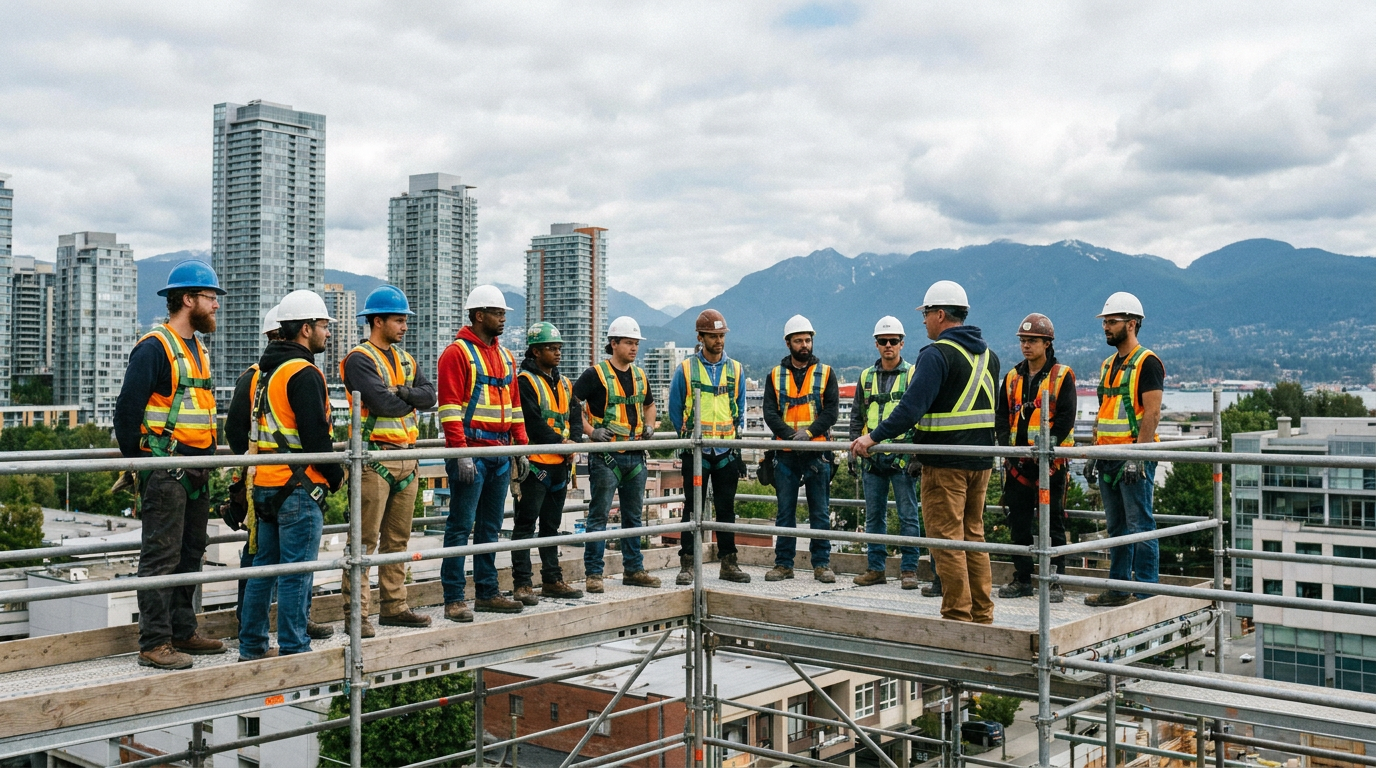
Furthermore, because many confined spaces are located at height or require vertical entry, employers should integrate a fall protection safety plan that outlines specific protocols for using harnesses and tripods safely within the Surrey area. Using correct gear is essential for construction site safety throughout the Metro Vancouver region.
WorkSafeBC Compliance and Legal Requirements
Regulatory compliance is not optional; it is a vital component of worker protection. In British Columbia, WorkSafeBC OHS Guidelines provide specific standards that every employer must follow. Adhering to these regulations minimizes the risk of catastrophic accidents and protects your organization from the legal repercussions and human costs of inadequate safety provision.
To stay within legal limits, employers must maintain a written entry program, provide specialized training, and ensure that all equipment is regularly inspected and calibrated. Failure to comply can lead to significant fines and, more importantly, preventable loss of life.
Key Safety Measures for Surrey Worksites
To enhance safety, industrial and construction sites in Surrey and Burnaby should implement the following best practices:
- Continuous Gas Monitoring: Atmospheric conditions can change in seconds. Sensors must remain active throughout the duration of the work to detect leaks or oxygen depletion.
- Entry Permit Systems: A formal "permit-to-work" ensures that all safety checks, including ventilation and lockout-tagout, have been verified by a competent person before entry begins.
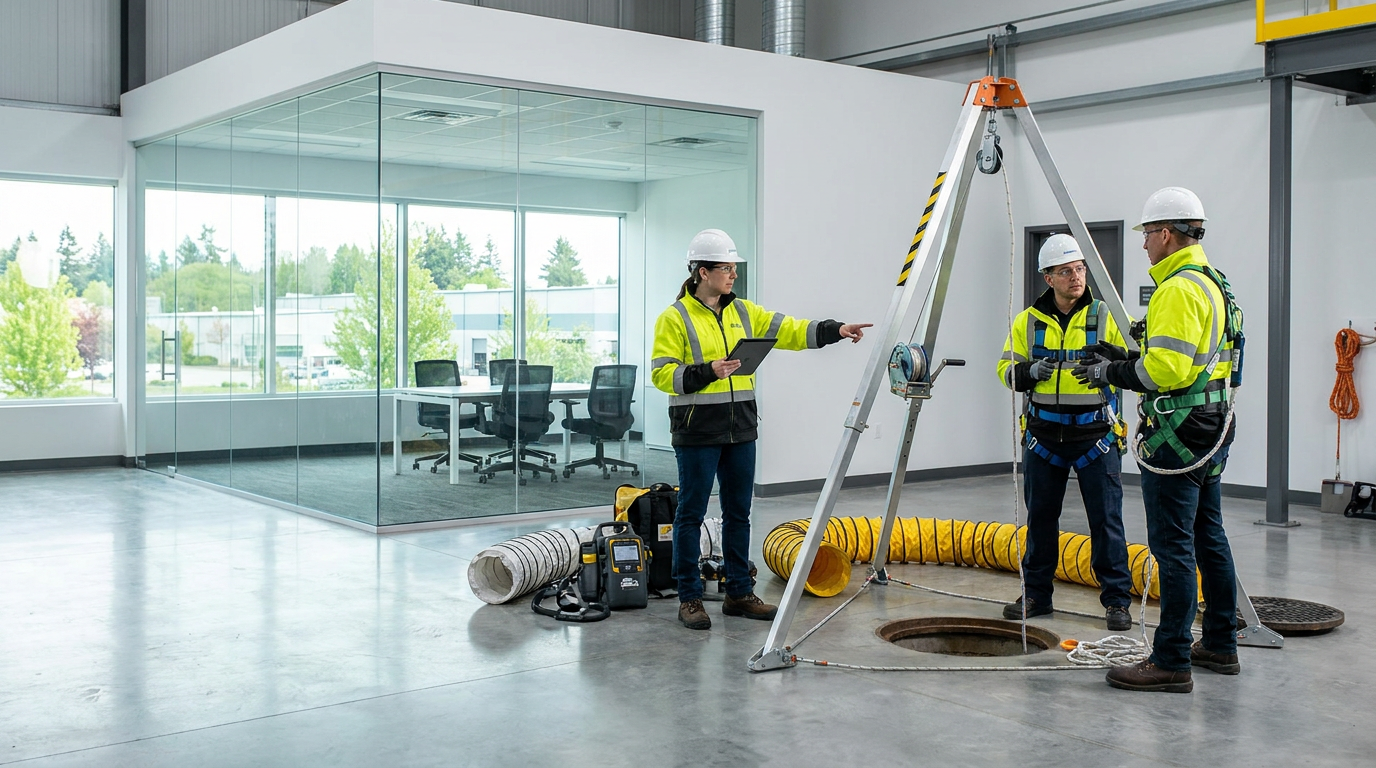
- Non-Entry Rescue Plans: Whenever possible, rescue plans should prioritize pulling a worker out using a tripod and winch system without another person having to enter the hazard zone.
The Role of Comprehensive Safety Training
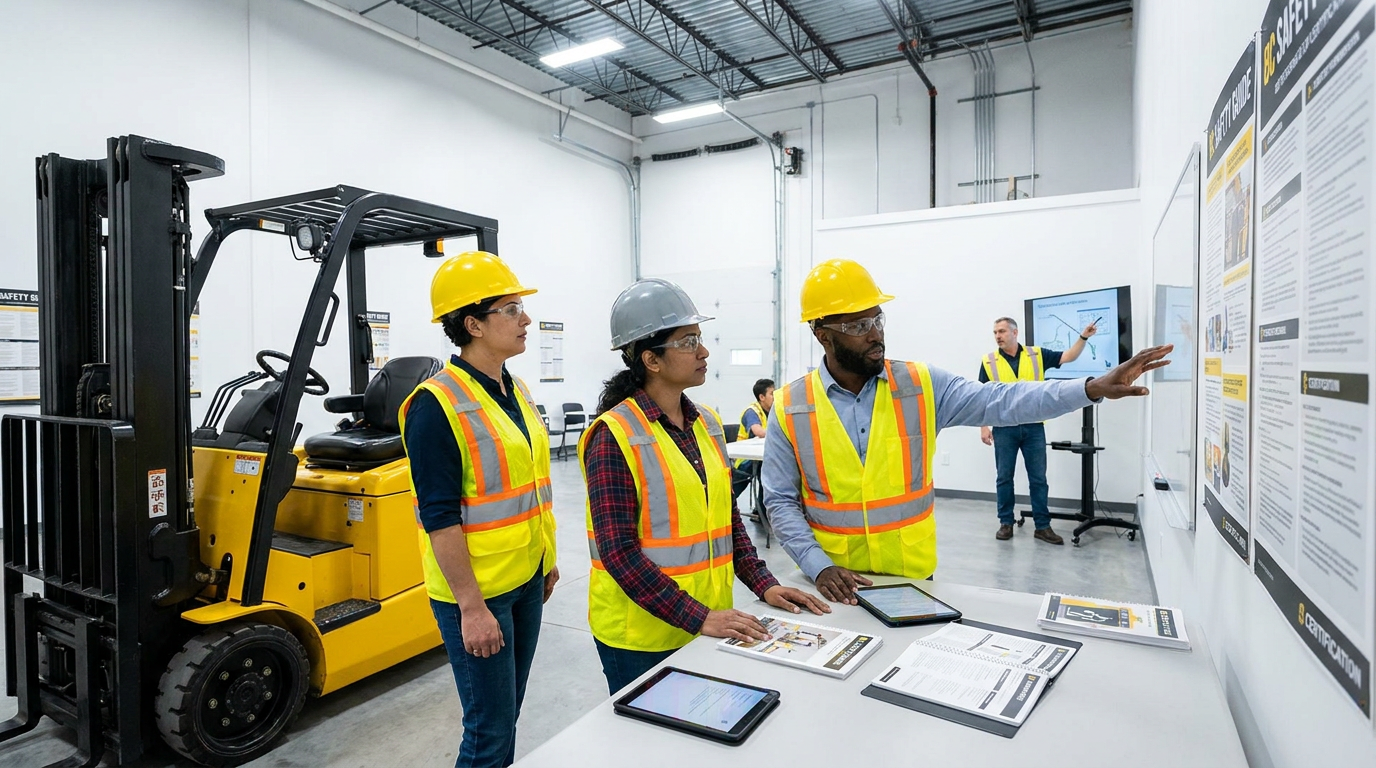
Training is the most effective tool to equip workers with the skills necessary to navigate these high-risk environments. Metro Safety Training provides professional Confined Space Safety Training specifically designed for entrants and attendants. These courses cover technical hazard identification, proper use of Personal Protective Equipment (PPE), and critical communication protocols.
Moreover, confined space incidents often require immediate medical intervention due to oxygen deprivation or physical injury. We recommend that teams supplement their safety certifications with Basic First Aid (OFA 1) or Intermediate First Aid (OFA 2) to ensure they can manage injuries effectively until paramedics arrive. For those seeking the highest level of preparedness, our Surrey first aid training center offers a curriculum updated for 2024 to meet the latest WorkSafeBC first aid requirements.
Conclusion: Building a Safer Work Culture in Surrey
By implementing best practices in risk management, regulatory compliance, and advanced safety measures, Surrey worksites can significantly reduce the risks associated with confined spaces. Safety is a collective responsibility that begins with the right education and ends with a secure job site. Whether you are operating a warehouse near the Port of Vancouver or a construction site in Surrey, being prepared is your best defense. For professional certifications and specialized safety programs in Coquitlam, Surrey, and across the Lower Mainland, contact Metro Safety Training today.
Frequently Asked Questions
Need Safety Training?
Metro Safety Training runs WorkSafeBC-recognized first aid, CPR and workplace safety courses in Coquitlam, Surrey and Burnaby, and on-site anywhere in Metro Vancouver.
coquitlam
surrey