Metro Safety Training Team
Certified Instructor & Editorial Team
Construction sites are among the most hazardous work environments in British Columbia. For tradespeople and project managers across the Lower Mainland, safety isn't just a recommendation—it is a legal and moral necessity. From heavy machinery to working at heights, the risks are constant, and the stakes are life-altering. In this guide, we break down the fundamental safety measures every construction site worker and employer must implement to ensure everyone goes home safely at the end of the shift.
Establishing a Culture of Safety on BC Jobsites
Occupational safety begins long before the first shovel hits the ground. In British Columbia, the high rate of work-related injuries underscores a pressing need for proactive risk management. For Vancouver area professionals, this means moving beyond simple compliance and fostering a "safety-first" culture where every worker feels empowered to identify and report hazards. A strong safety culture reduces downtime and protects your most valuable asset: your people.
1. Comprehensive Safety Training for Employees
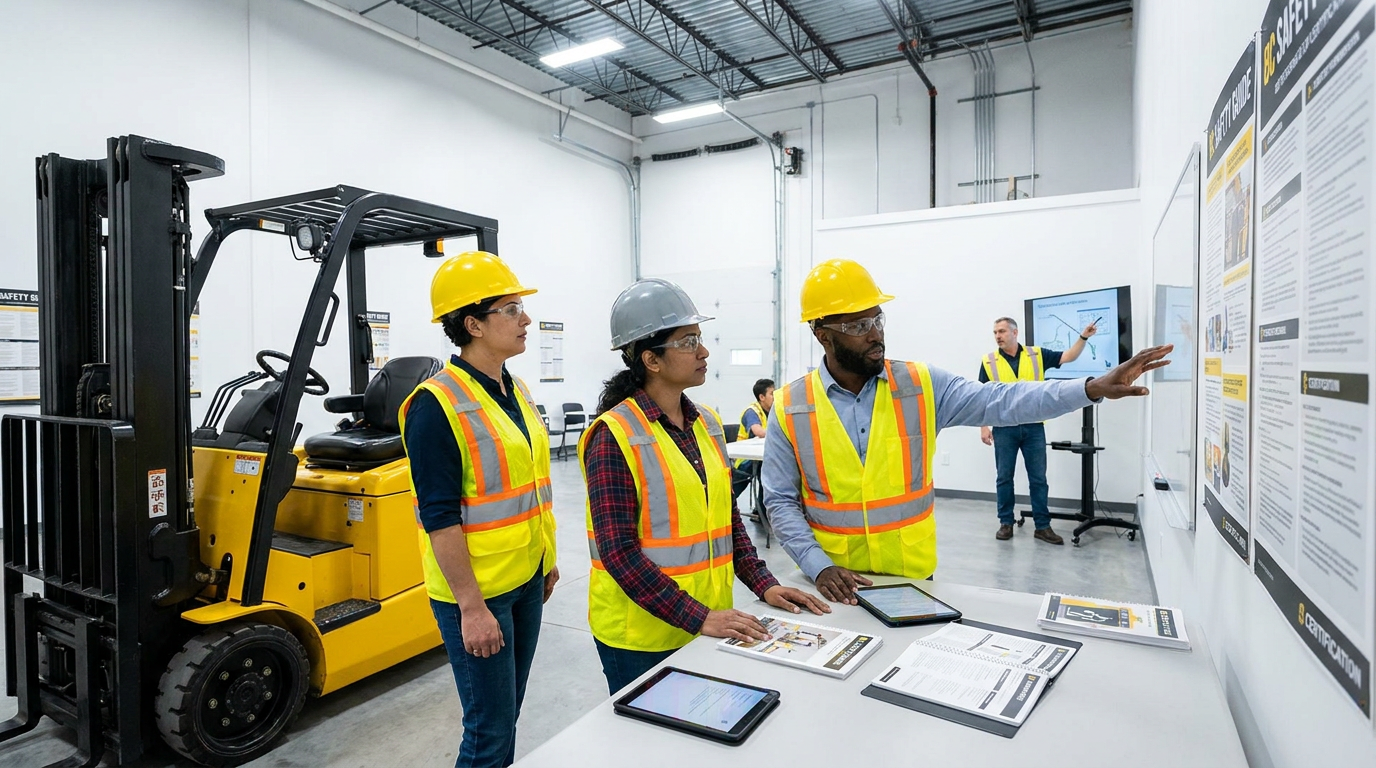
Safety training is the cornerstone of a secure work environment. What is the best way to ensure worker safety? It starts with competency-based training specifically tailored to the hazards of the BC building industry. When hiring in the Surrey area or Burnaby, acceptance criteria should include existing certifications, such as CSTS Training, which provides a foundational understanding of site-specific hazards.
If a candidate lacks these credentials, employers should facilitate their enrollment in a safety program. This not only protects the worker but also ensures the site remains compliant with WorkSafeBC first aid requirements. Providing opportunities for certifications like Basic First Aid (OFA 1) can be the difference between a minor incident and a tragic fatality.
2. Regular Crew Safety Meetings (Toolbox Talks)
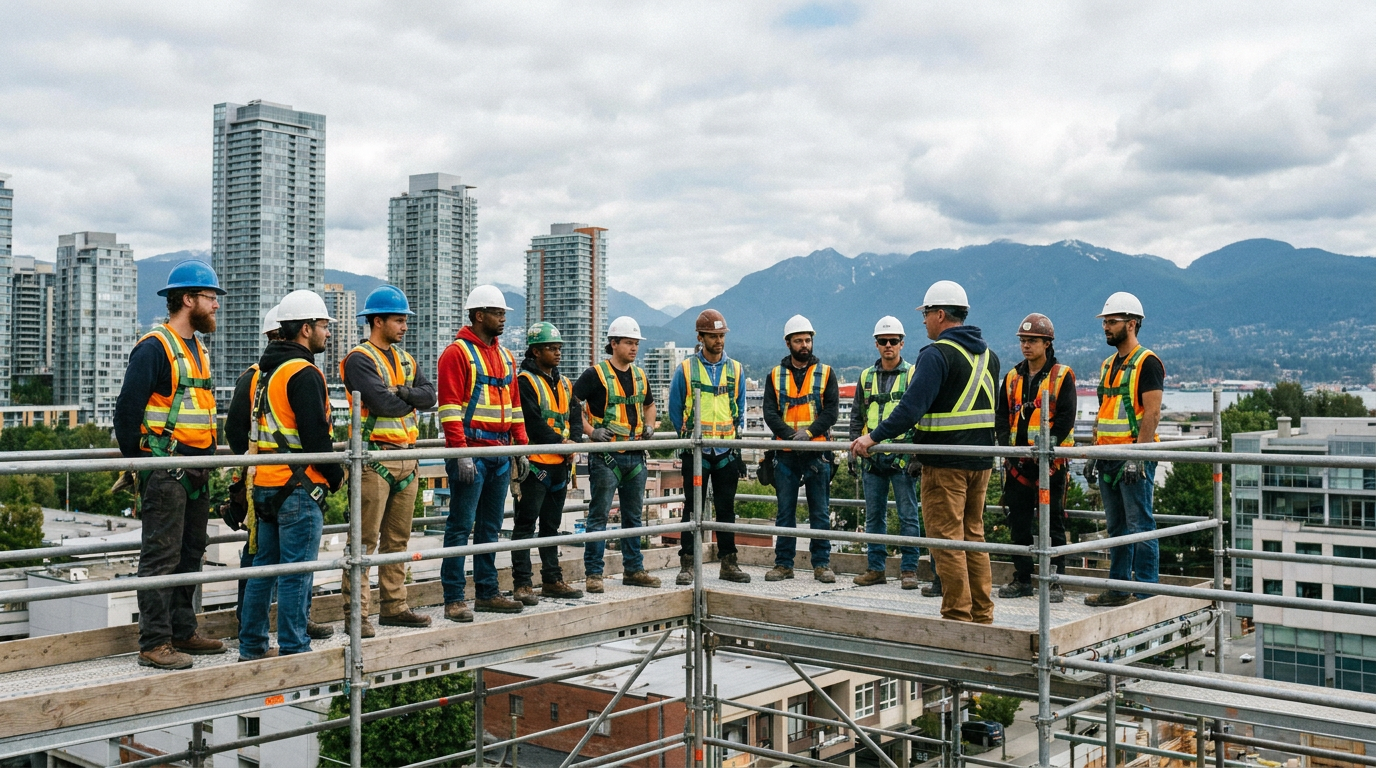
In the fast-paced environment of a Lower Mainland construction site, conditions change daily. What worked yesterday might be a hazard today. Regular safety "toolbox talks" are essential for keeping the crew informed about new machinery, changing construction models, or emerging electronics hazards. Use these meetings to review the 3 Cs of first aid and keep emergency protocols top-of-mind for every team member. Consistent communication ensures that safety remains a daily habit rather than a monthly checklist item.
3. Proper Use of Personal Protective Equipment (PPE)
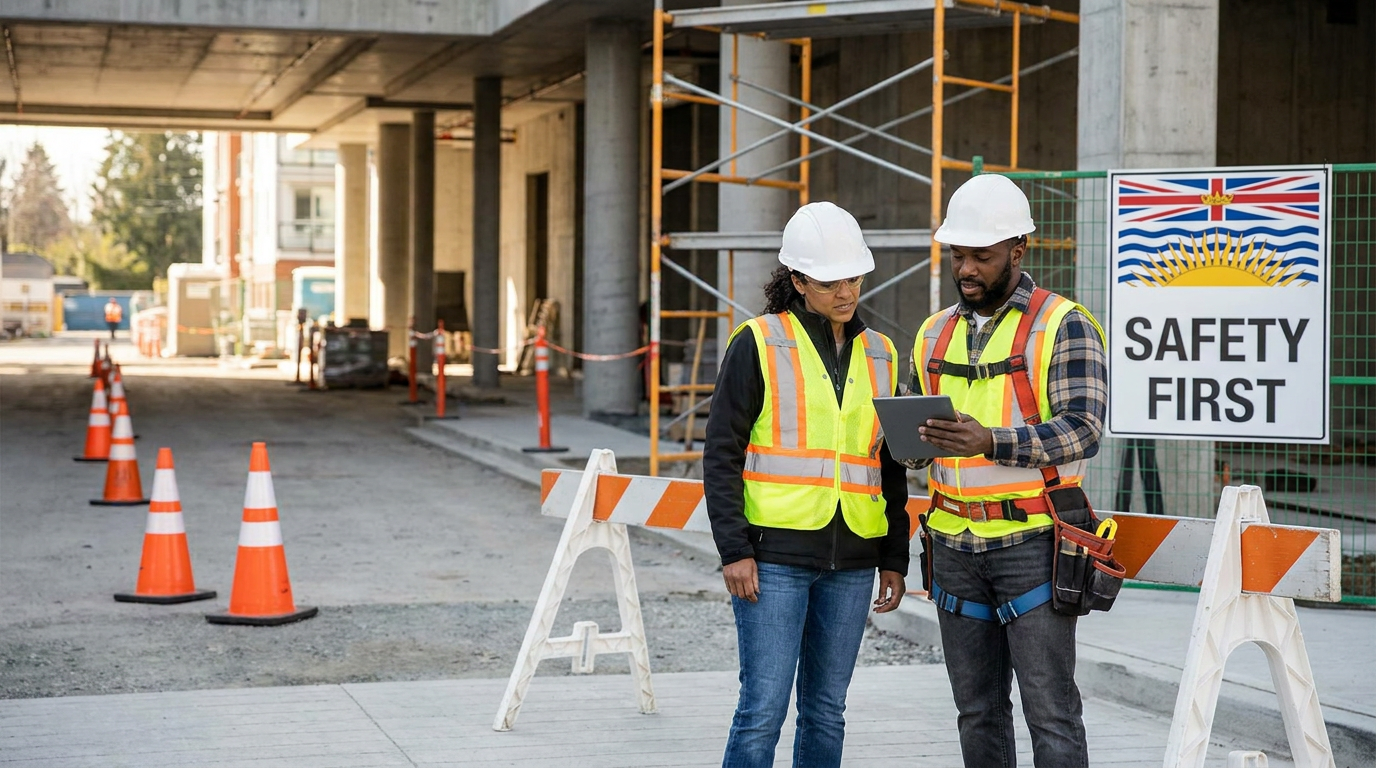
Every construction project manager must oversee that every worker is appropriately outfitted in Personal Protective Equipment (PPE) before tasks begin. PPE is the last line of defense against workplace injuries. Essential gear includes:
- High-visibility vests for those near traffic or heavy equipment.
- Hard hats, steel-toed boots, and safety glasses.
- Specialized gear for high-risk tasks, such as specific protocols to prevent electrocution when working near high-voltage lines.
4. Maintaining a Clean and Organized Work Space
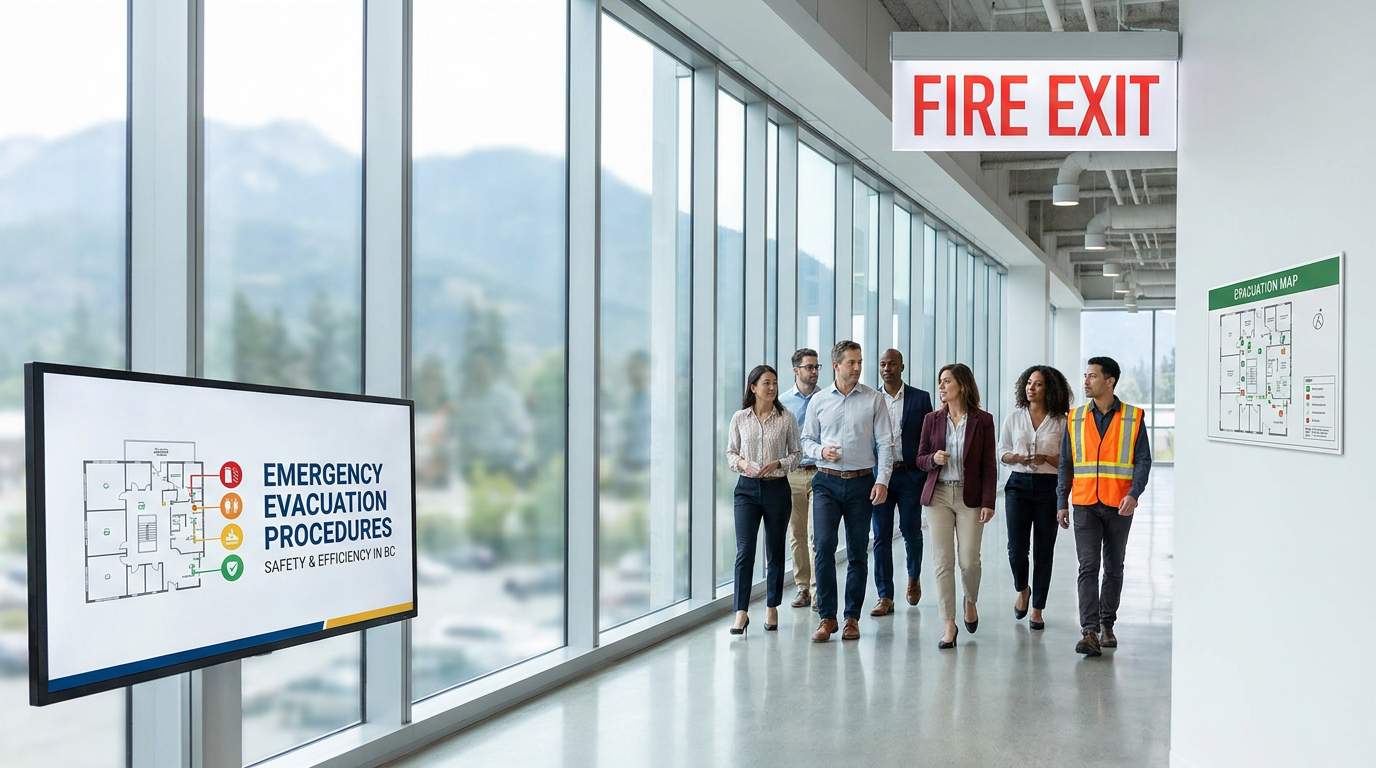
A messy workspace is a primary cause of construction site injuries. Piles of debris and scattered materials significantly reduce mobility and increase the risk of trips and falls. Implementing an "on-the-go" cleaning mechanism ensures that exit pathways remain clear. An obstructed escape route can be catastrophic during a fire or chemical emergency. For advice on managing specific hazards, see our guide on how to handle chemical spills effectively on-site.
5. Mandatory Fall Protection Measures in BC
Falls are one of the leading causes of workplace fatalities in British Columbia. Occupational health and safety standards require that sites be equipped with guardrails, toe boards, and canopy structures. Scaffolding must be installed by qualified professionals and inspected regularly. For workers operating at heights in Coquitlam, Surrey, or New Westminster, completing a Fall Protection Training course is mandatory to understand the proper use of harnesses, anchors, and lifelines.
Ensuring Construction Site First Aid Readiness
Despite best efforts, accidents can still occur. When every second counts, the presence of trained first aid providers on-site is critical. Whether it is managing bone injuries from a slip or providing life-saving CPR, having workers with Intermediate First Aid (OFA 2) certification ensures that immediate care is available before paramedics arrive. Construction sites often require higher levels of first aid training due to their distance from hospitals or the complexity of the work performed.
Conclusion: Building a Safer BC Together
Safety on a construction site is a shared responsibility that requires constant vigilance, proper gear, and specialized education. By prioritizing comprehensive training and maintaining high standards for site organization and fall prevention, BC employers can significantly reduce the risk of injury. Metro Safety Training is dedicated to providing the Lower Mainland with the skills needed to stay safe. From specialized certifications to foundational first aid, our courses are designed to meet WorkSafeBC standards and protect our local workforce.
Frequently Asked Questions
Need Safety Training?
Metro Safety Training runs WorkSafeBC-recognized first aid, CPR and workplace safety courses in Coquitlam, Surrey and Burnaby, and on-site anywhere in Metro Vancouver.
coquitlam
surrey