Metro Safety Training Team
Certified Instructor & Editorial Team
A first aid course provides valuable skills that can save a life. However, when you’re in the middle of a crisis, thinking clearly is a major challenge—especially if you haven't been trained for high-pressure scenarios. Preparing your mind before an emergency occurs is the best way to ensure you can provide aid effectively without being overwhelmed.
At Metro Safety Training, we emphasize the "Three C’s"—Check, Call, and Care—as the foundation of Basic First Aid (OFA 1). This simple framework helps individuals across the Lower Mainland and Metro Vancouver stay calm and organized during medical emergencies.
Step 1: Check the Scene and the Person
The first step in any emergency is to Check. Before rushing in to help, you must ensure your own safety first. Moving into a dangerous area—such as a construction site with falling debris or a busy road in Burnaby—can result in you becoming a second victim, which hinders the rescue effort.
Occupational First Aid protocols from WorkSafeBC suggest asking yourself these questions:
- Is the area safe to enter (no fire, traffic, or chemical hazards)?
- What happened?
- How many people are injured?
- Is there anyone nearby who can help?
Check the victim for responsiveness by tapping their shoulder and shouting. This step is a core component of First Aid Level 1 training in Vancouver.
Step 2: Call 911 for Professional Help
The second "C" stands for Call. If you determine the person is unresponsive or in severe distress, you must activate emergency medical services (EMS) immediately. In British Columbia, this means calling 911 or your local emergency number.
When you call, be prepared to provide the following details to the operator:
- Your exact location (address or nearby landmarks in Coquitlam or New Westminster).
- The phone number you are calling from.
- A brief description of what happened.
- The number and condition of the victims.
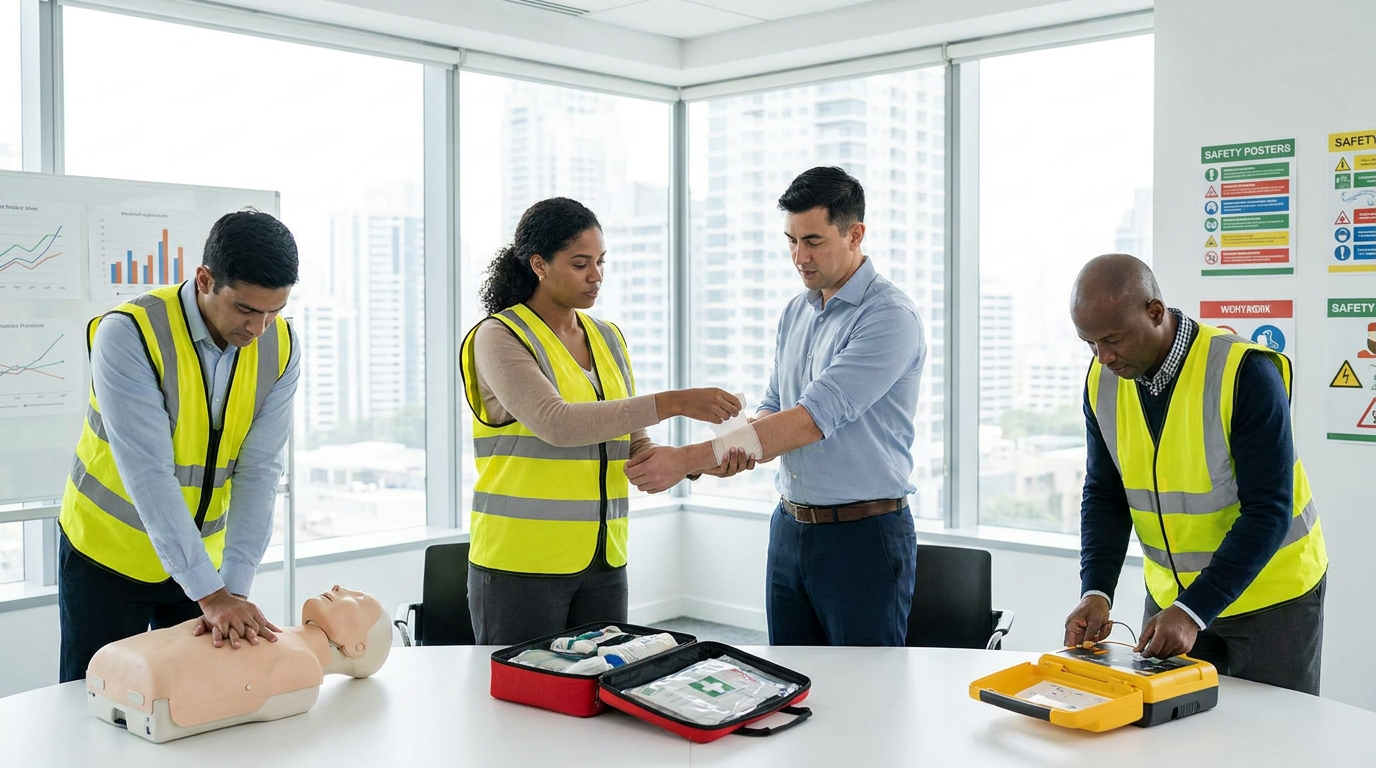
For those working in industrial settings, understanding WorkSafeBC first aid requirements is vital, as specific employer protocols may require notifying an on-site first aid attendant in addition to calling 911.
Step 3: Care for the Victim
The final "C" is Care. This is where you provide life-sustaining treatment until professional paramedics arrive. The goal of first aid is to preserve life, prevent the condition from worsening, and promote recovery.
Depending on your training, care may include:
- Performing CPR if the victim is not breathing (learnt in Emergency First Aid & CPR/AED).
- Controlling severe bleeding with direct pressure.
- Placing an unconscious but breathing person in the recovery position.
- Providing comfort and reassurance.
Knowing the difference between Emergency and Standard First Aid can help you decide which level of care you are prepared to provide in various BC workplace environments.
Master Life-Saving Skills in Metro Vancouver
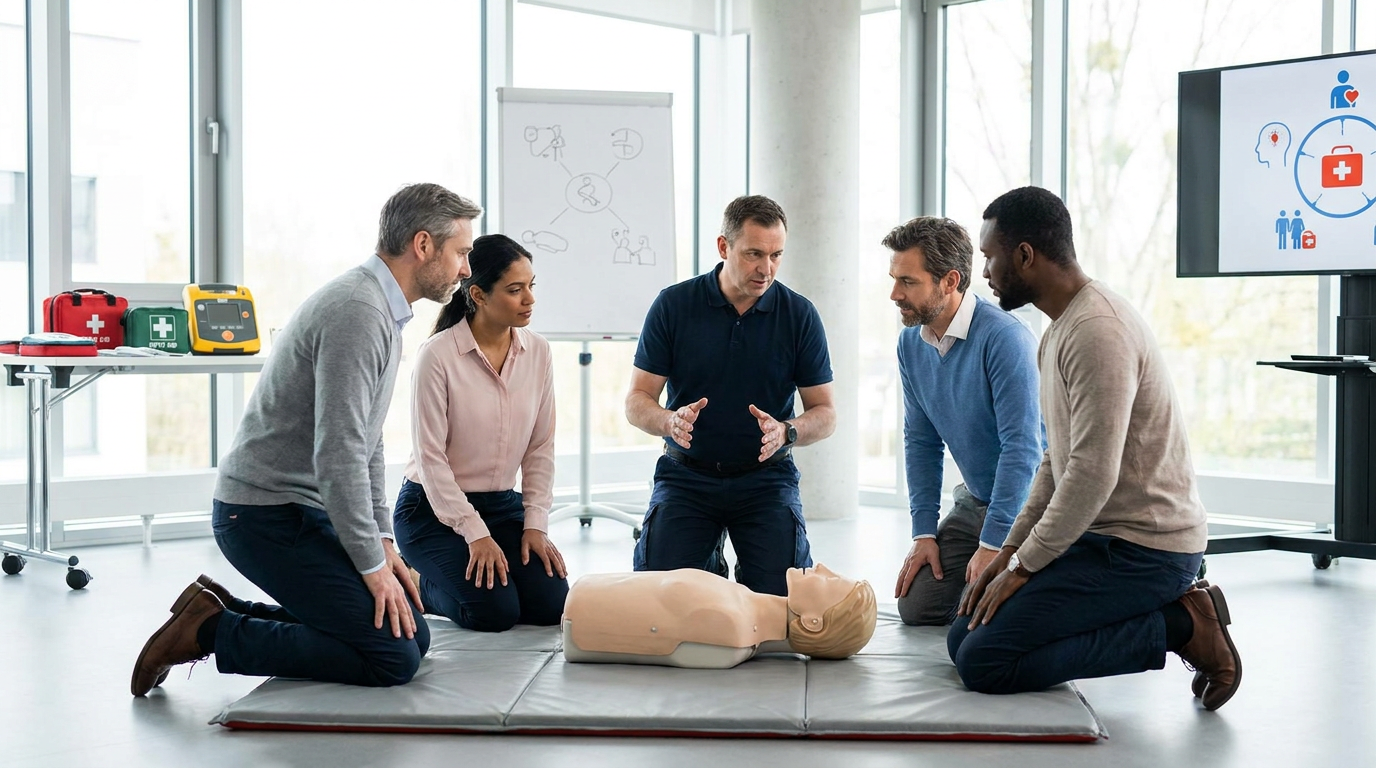
Understanding the Three C's is a great start, but hands-on practice is irreplaceable. At Metro Safety Training, we provide comprehensive courses at our Coquitlam campus and throughout the Lower Mainland. Whether you need an Intermediate First Aid (OFA 2) certification for work or want to learn how to handle child injuries at home, we have a program for you.
Don't wait for an emergency to realize you aren't prepared. Gain the confidence to act when it matters most by joining our next training session.
Frequently Asked Questions
Need Safety Training?
Metro Safety Training runs WorkSafeBC-recognized first aid, CPR and workplace safety courses in Coquitlam, Surrey and Burnaby, and on-site anywhere in Metro Vancouver.
coquitlam
surrey