Metro Safety Training Team
Certified Instructor & Editorial Team
Children are naturally active, and their constant running, jumping, and exploring often lead to minor bumps and scrapes. While most of these incidents are a normal part of growing up, knowing how to respond effectively can prevent infections and provide your child with immediate comfort. Whether you are at home in Coquitlam or at a local park in Vancouver, having the right skills to manage a child's injury is essential for every parent and caregiver.
Childhood injuries often happen in the blink of an eye. In British Columbia, where families frequently enjoy outdoor activities in the Lower Mainland’s parks and playgrounds, being prepared with more than just a bandage is vital. Having the confidence to distinguish a minor bruise from a medical emergency is the primary goal of professional safety education.
Immediate Care for Scrapes and Cuts in Metro Vancouver
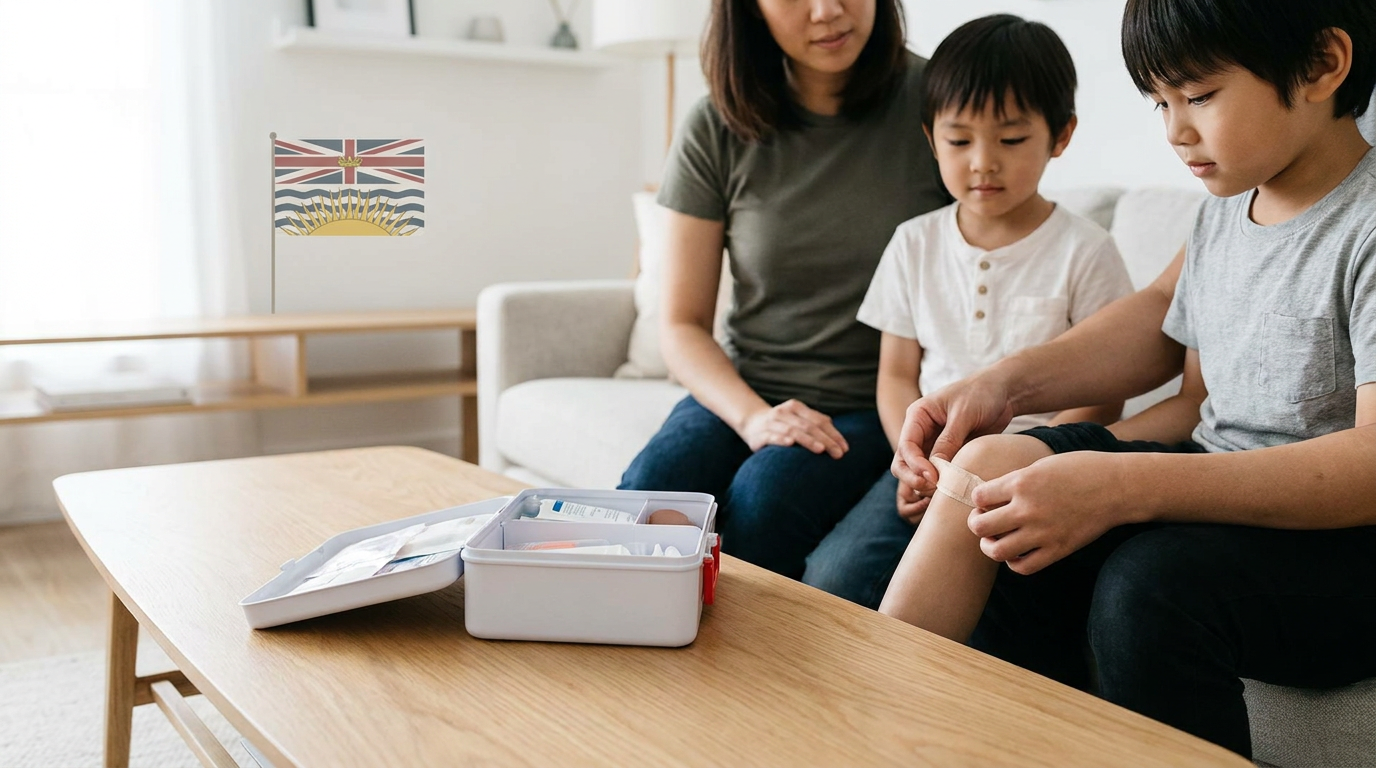
Minor injuries in children, such as skin abrasions and small cuts, are the most frequent issues parents face. These can usually be managed effectively if you have a well-stocked home first aid kit ready. To treat a minor cut or scrape:
- Clean the wound with mild soap and running water to remove dirt and bacteria.
- Apply an antibacterial ointment to promote healing and prevent infection.
- If the wound is bleeding, apply steady pressure with a clean cloth until it stops.
- Apply a clean bandage to protect the area from further irritation.
For more serious lacerations that won't stop bleeding after 10 minutes of direct pressure, seek professional medical attention at a local clinic or hospital.
How to Respond to Head Injuries
Head injuries are a major concern when children are riding bikes, skateboarding, or playing sports throughout the Lower Mainland. If a child sustains a bump to the head, it is important to monitor them closely for several hours. While minor "goose eggs" are common and often treated with a cold compress, certain "red flags" indicate a traumatic brain injury or concussion.
Seek emergency care immediately if your child experiences:
- Loss of consciousness (even for a few seconds)
- Repeated vomiting or persistent nausea
- A severe or worsening headache that doesn't subside
- Persistent confusion, slurred speech, or unusual irritability
- Convulsions or seizures
Managing Facial Injuries and Nosebleeds
Injuries to the face can be distressing for both the child and parent because the face has a high concentration of blood vessels, causing even small nicks to bleed heavily. For a nosebleed, have the child sit up, lean slightly forward (do not tilt the head back), and pinch the soft part of the nose firmly for at least 10 minutes without stopping.
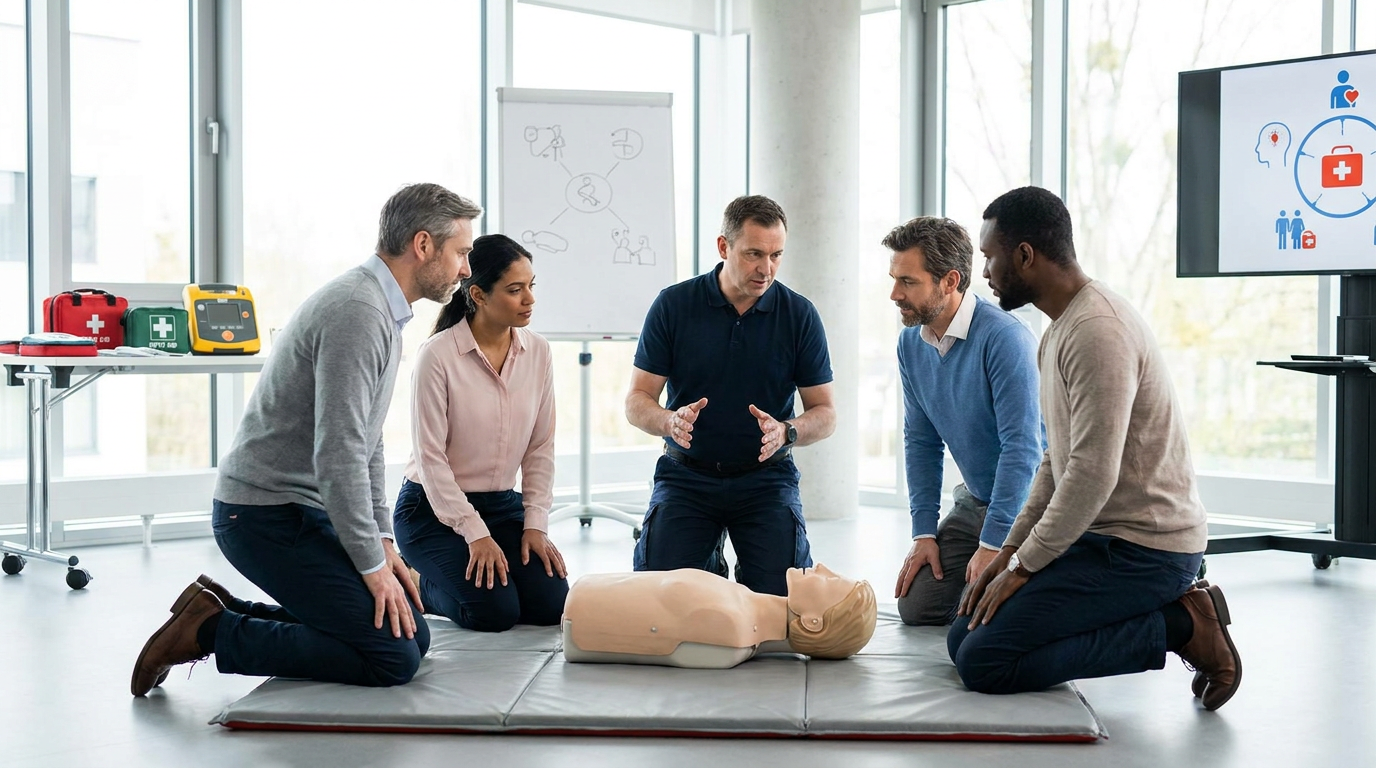
For parents who want to be fully prepared for these high-stress moments, taking a specialized Child Care First Aid course provides the specific hands-on skills needed to manage pediatric emergencies effectively.
Identifying Potential Fractures and Broken Bones
It can be difficult for parents in the Burnaby or Surrey areas to determine if a playground fall resulted in a simple sprain or a serious fracture. Managing bone injuries requires a calm approach and immediate immobilization of the limb to prevent further damage. You should suspect a fracture and seek medical help if the injured area is:
- Visibly deformed, crooked, or out of alignment.
- Swollen, bruised, or turning red rapidly.
- Extremely painful to the touch or when moving.
- Incapable of bearing weight or being used normally.
The Importance of First Aid Training for BC Families
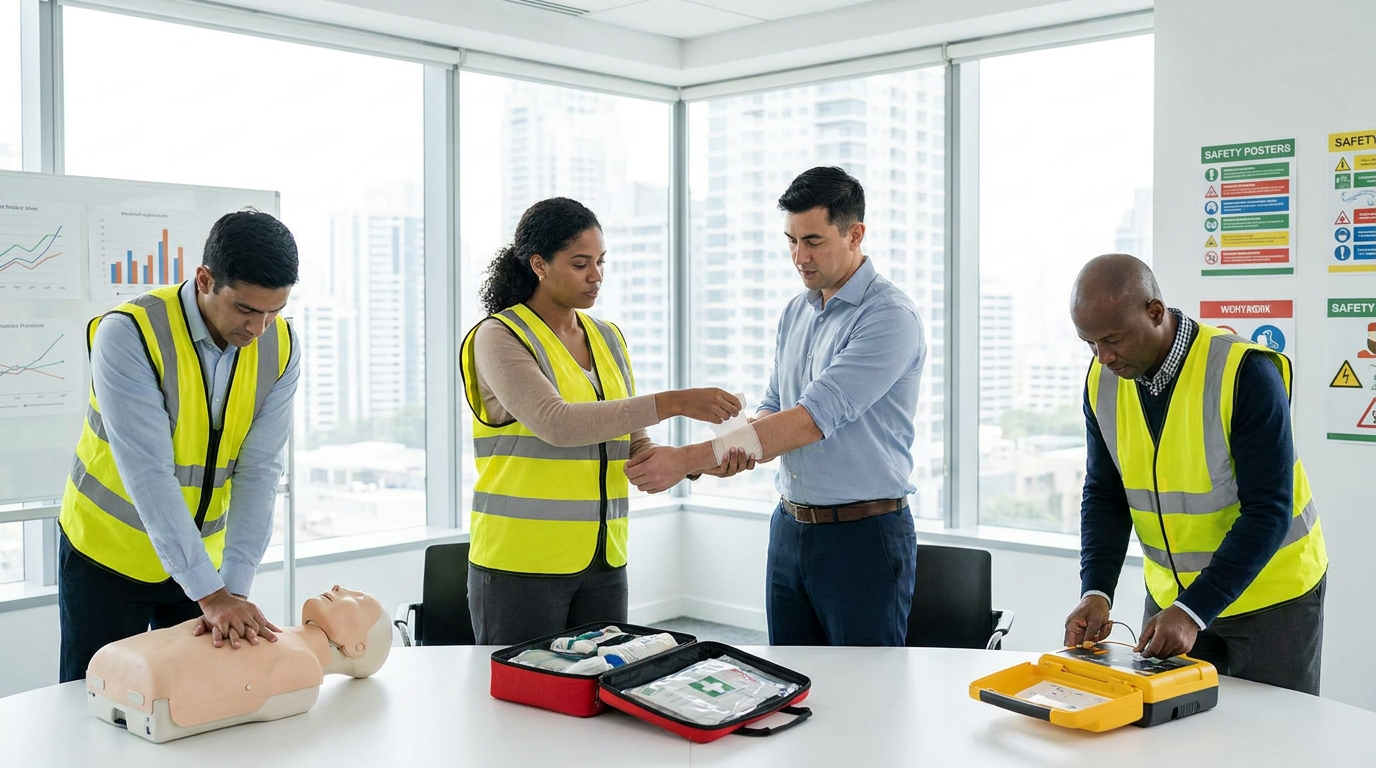
Prevention and preparation are the best tools for child safety. Beyond adult knowledge, there are even fun ways to teach first aid to kids so they know how to call 911 or assist if an adult is injured. For parents, grandparents, and educators in Metro Vancouver, completing a Standard First Aid + CPR/AED course is the most effective way to ensure you can act decisively when it matters most.
Conclusion
While we can't prevent every tumble or scrape, we can certainly control how we respond to them. Being equipped with the right knowledge—from treating a simple cut to identifying a serious head injury—makes all the difference in your child's recovery and long-term health. Metro Safety Training offers specialized courses to help families across the Lower Mainland and Coquitlam stay safe. Contact us today to gain the confidence to protect your loved ones in any emergency.
Frequently Asked Questions
Need Safety Training?
Metro Safety Training runs WorkSafeBC-recognized first aid, CPR and workplace safety courses in Coquitlam, Surrey and Burnaby, and on-site anywhere in Metro Vancouver.
coquitlam
surrey