Metro Safety Training Team
Certified Instructor & Editorial Team
Keeping family members safe is the top priority for every parent in British Columbia. While many families focus on childproofing their homes in the Lower Mainland, one of the most effective safety measures is empowering children with the knowledge to act during a crisis. According to studies highlighted by organizations like the Canadian Red Cross, a staggering 92% of Canadians believe children should receive basic first aid training as young as nine years old. By introducing these life-saving skills early, you aren't just teaching a protocol; you are building confidence and resilience in young minds across Metro Vancouver.
However, teaching medical concepts to children requires a different approach than a standard Basic First Aid (OFA 1) course designed for adults. To keep them engaged, you need to transform the lesson into an interactive, age-appropriate experience. Whether you are at home in Vancouver, Burnaby, or Coquitlam, here are four creative and fun ways to teach your kids about first aid.
1. Present First Aid as a Heroic Story
First aid for kids is most effective when it sparks their imagination. Children in the Metro Vancouver area, like kids everywhere, gravitate toward stories and fantasy. Their imagination is a powerful tool for learning. To teach first aid, try framing the lesson as a narrative where the child is the "safety hero." Start by introducing the different "characters" inside a first aid kit—the "Shield" (bandages), the "Cleaner" (antiseptic wipes), and the "Support" (splints).
By explaining each step as part of a mission, children are more likely to retain the information long-term. This storytelling approach builds a strong foundation that makes it easier for them to transition into formal certifications like Emergency First Aid & CPR/AED when they are older. It’s about making safety a positive, proactive part of their identity.
2. Play "Doctor" with Scenario-Based Games
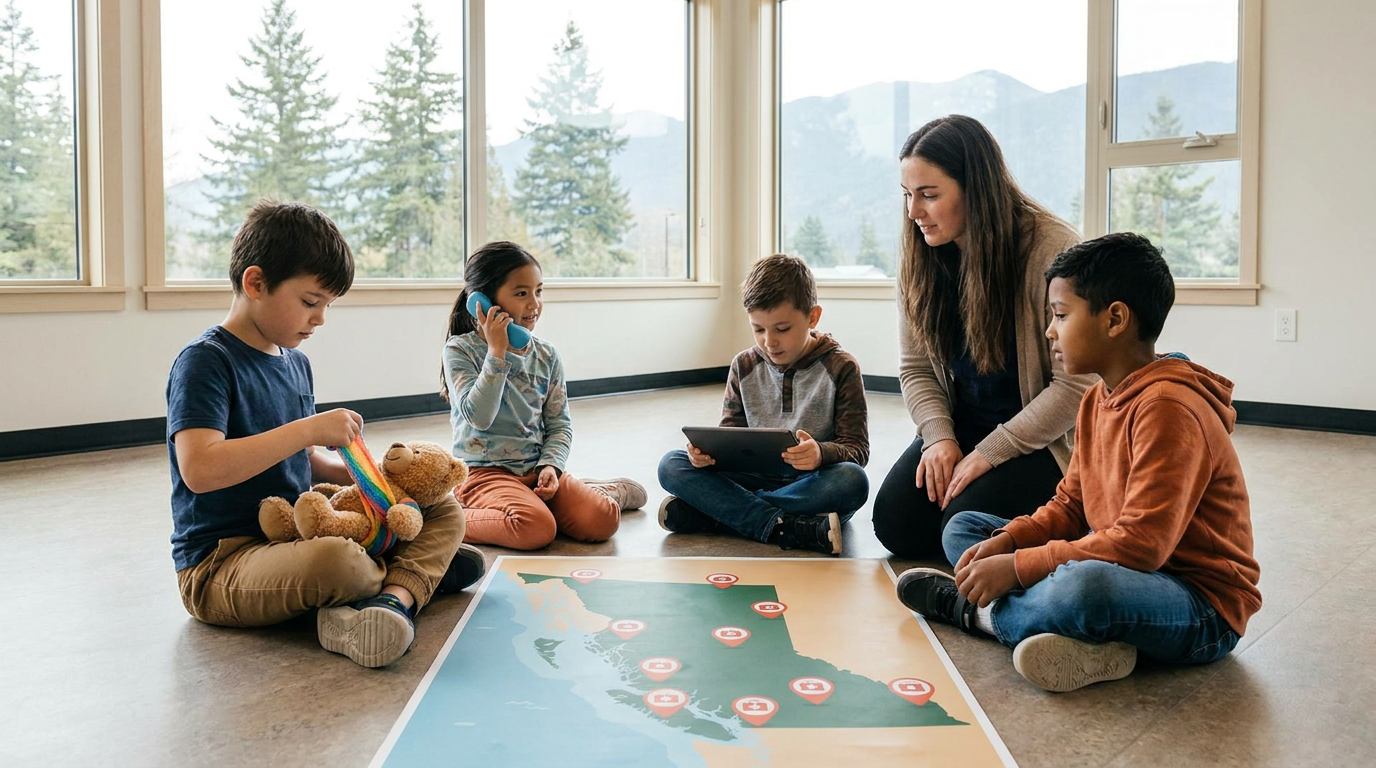
Role-playing is an essential part of childhood development and a cornerstone of effective safety education. You can use this to your advantage by setting up staged "emergencies" in your living room. Use toys, stuffed animals, or even family members to act out common scenarios, such as a scraped knee or a bumped head. You can find inspiration by reading through fast first aid tips for common accidents to get ideas for scenarios you can practice together.
Ask your child: "The teddy bear fell down, what should we do first?" This encourages critical thinking and teaches them the vital first step of any emergency: staying calm and calling for help. For parents and educators, this is also a great time to discuss why first aid training is crucial for teachers and adult supervisors in school settings across BC.
3. Build a Custom Kid-Friendly First Aid Kit
How do you make first aid tangible for a child? Creating a personalized first aid kit is a fantastic hands-on project that removes the "scary" element of medical supplies. Sit down with your child and assemble a kit specifically for their needs. Explain the purpose of each item as you put it in. For instance, show them how a triangular bandage works or let them practice opening a sterile gauze pad. Referencing a home first aid kit checklist can ensure you don't miss any essentials required for BC households.
Make sure the kit is kept in an accessible location in your home, and encourage the child to decorate the container with stickers or drawings. This sense of ownership makes them feel prepared and less intimidated by medical equipment during a real-life situation in your Metro Vancouver home.
4. Use Dolls and Toys for Anatomy Lessons
Dolls and action figures provide a safe, non-threatening way to demonstrate more complex topics like fractures or sprains. You can use a doll to show where the major bones are and explain what happens when someone gets hurt in a way a child can understand. For example, use a popsicle stick and some tape to "splint" a doll's arm, explaining that the goal is to keep the "bone" from moving until a doctor can help.
This method helps children visualize internal injuries without the fear that comes with real-life pain. It also introduces them to the concepts covered in more specialized training, such as Child Care First Aid, which is essential for anyone responsible for the safety of young ones in British Columbia.
Empower Your Family with Professional Training in the Lower Mainland
While teaching kids at home is a great start, ensuring the adults in the household are fully certified is the best way to safeguard your family. Metro Safety Training offers comprehensive, WorkSafeBC-compliant courses across the Lower Mainland. Whether you are looking for first aid training in Surrey or need to get certified at our main campus in Coquitlam, we provide the skills you need to manage any emergency with confidence.
Our experienced instructors make learning easy and practical for everyone from parents to workplace professionals. Don’t wait for an emergency to happen—be prepared today to protect the ones you love. Contact Metro Safety Training at 604-521-4227 to enroll in a course near you.
Frequently Asked Questions
Need Safety Training?
Metro Safety Training runs WorkSafeBC-recognized first aid, CPR and workplace safety courses in Coquitlam, Surrey and Burnaby, and on-site anywhere in Metro Vancouver.
coquitlam
surrey