Metro Safety Training Team
Certified Instructor & Editorial Team
First aid training enables you to offer immediate assistance to injured coworkers and, ultimately, help save lives. In British Columbia, the safety of employees is a primary concern for both business owners and regulatory bodies. For many industries where hazards are significant, keeping your workplace safe requires a specific level of certified training as mandated by provincial guidelines. Whether you are a professional in the Vancouver area or a local resident, understanding the standard of care required is the first step toward effective emergency response.
When selecting a course, it is important to distinguish between the two primary certifications: Emergency First Aid and Standard First Aid. Both are valuable components of first aid training in Canada, but they serve different needs depending on your work environment, your employer's hazard assessment, and your personal career goals.
What is Emergency First Aid Training?
Emergency First Aid (EFA) is a fundamental training level designed for individuals who need life-saving skills but have limited time. Occupational First Aid (OFA) equivalents like Basic First Aid (OFA 1) are popular choices for BC workers because they satisfy basic safety requirements in just one day of instruction. This course typically includes CPR "C" (covering adults, children, and infants) and Automated External Defibrillator (AED) training.
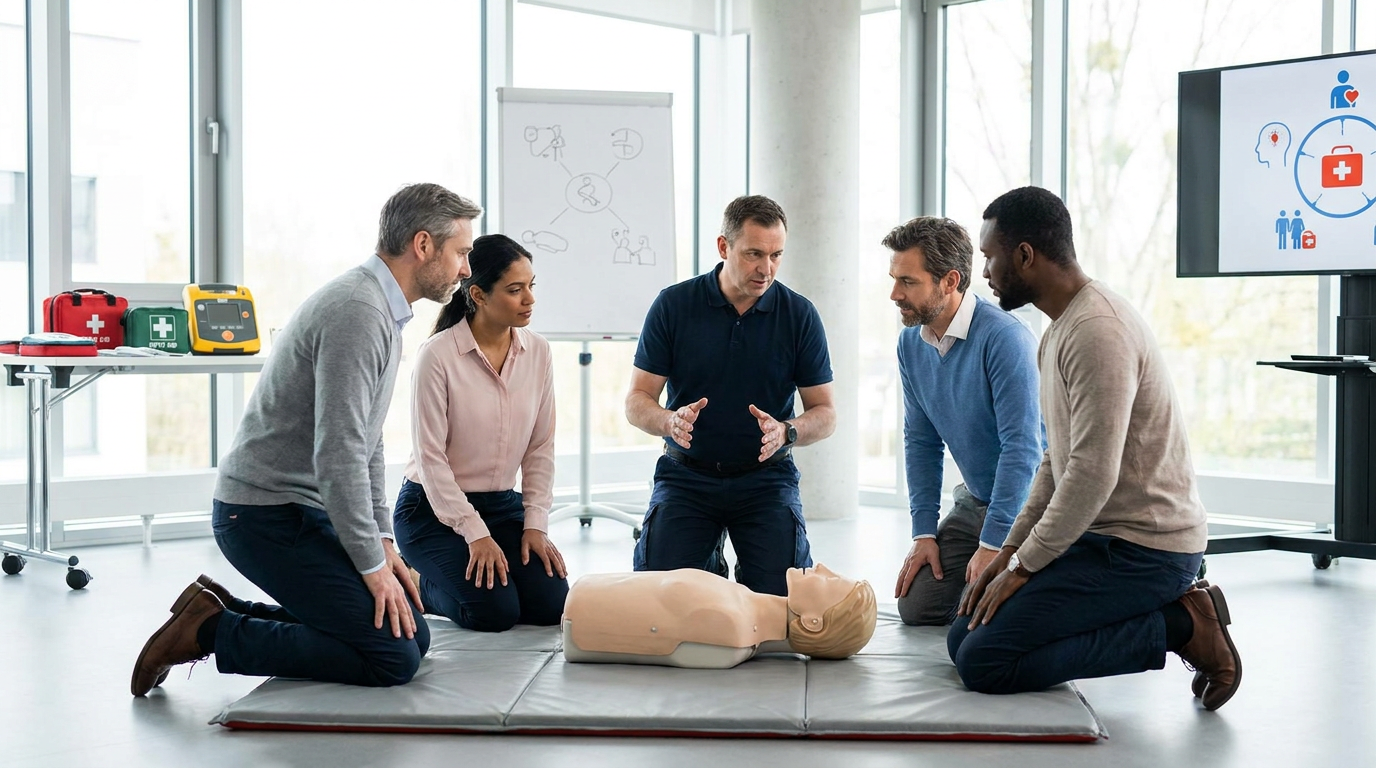
The Emergency First Aid & CPR/AED course focuses on the most critical skills needed to stabilize a patient until professional medical help arrives. In the Lower Mainland, this is often the minimum requirement for office settings or small retail teams. Key curriculum areas include:
- Navigating the EMS system and professional response
- Managing airway and breathing emergencies (choking)
- Basic circulatory support and CPR
- Patient assessment and reporting to medical facilities
- Recognizing and treating respiratory or cardiac arrest
- Implementing protocols to lower infection risks
What is Standard First Aid Training?
Standard First Aid (SFA) is a comprehensive program that offers a deeper dive into medical emergencies and hazard identification. This course is longer—typically spanning two days—and provides a more robust foundation for workplace safety. It is often required for those working in high-risk sectors or for individuals planning to pursue Advanced First Aid (OFA 3) in the future.
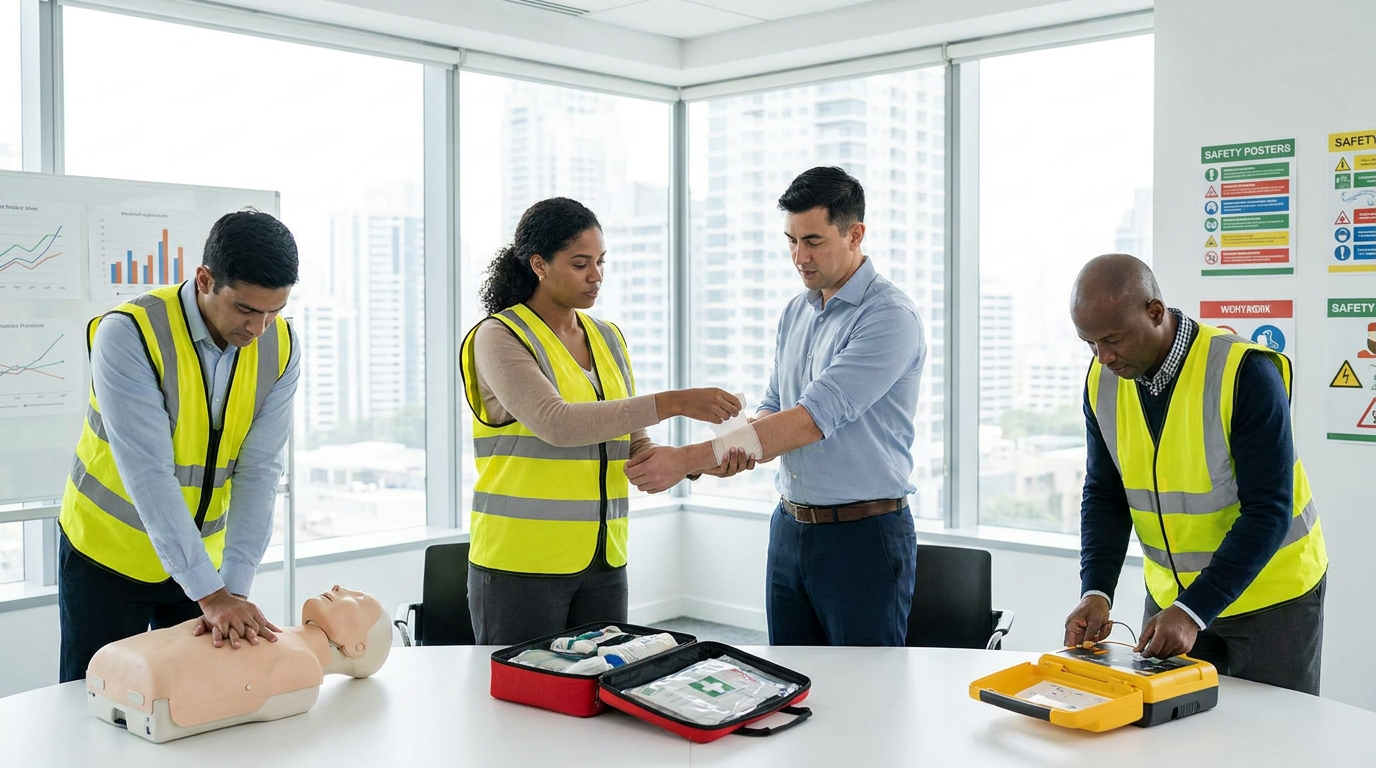
The Standard First Aid + CPR/AED course includes everything covered in the Emergency level, while adding specialized training for complex scenarios. For those working in physically demanding roles, such as those covered in construction site first aid training, this extra day of training is often vital. The curriculum includes:
- Spine, head, and neck injury management
- Advanced wound care and bleeding control
- Responding to sudden medical emergencies (such as diabetic shock or seizures)
- Managing environmental emergencies (heatstroke, hypothermia)
- Stabilizing joint, muscle, and bone injuries
WorkSafeBC Compliance and Certification in BC
In British Columbia, first aid training is strictly governed by WorkSafeBC first aid requirements. Effective 2024, BC has transition to the Basic, Intermediate, and Advanced terminology, largely aligning with the Canadian Red Cross standards taught at Metro Safety Training. When you complete training with us, you receive a nationally accredited Canadian Red Cross certificate valid for three years.
It is important to note that hands-on skills are mandatory for compliance. While some theory can be learned online, online first aid courses without an in-person assessment are rarely sufficient to meet WorkSafeBC employment standards. High-risk environments, such as those requiring Confined Space Safety certification, always prioritize rescuers with verified, hands-on first aid skills.
Professional First Aid Instruction in Metro Vancouver
Since 2008, Metro Safety Training has been the trusted choice for safety education, serving Coquitlam, Vancouver, Burnaby, Richmond, and Surrey. Our Coquitlam main campus is conveniently located for students across the Lower Mainland, offering a range of courses from basic life support to specialized industrial safety.
If you cannot commit to a two-day comprehensive session, Emergency First Aid provides the essential tools to respond to a crisis. However, for those seeking the highest level of preparedness and employability, Standard First Aid is the recommended path. Staying prepared doesn't stop at training—ensure you also have a properly stocked kit by following a home first aid kit checklist for your residence.
Conclusion: Choosing the Right Level for You
Deciding between Emergency and Standard First Aid depends on your workplace hazard level and your proximity to medical services. For most office workers in the Vancouver area, Emergency First Aid is the standard; however, for those in trades, daycare, or remote sites, Standard First Aid is the gold standard. Regardless of the course you choose, getting certified ensures you are ready to act when every second counts. Contact our team today to find the right fit for your career goals.
Frequently Asked Questions
Need Safety Training?
Metro Safety Training runs WorkSafeBC-recognized first aid, CPR and workplace safety courses in Coquitlam, Surrey and Burnaby, and on-site anywhere in Metro Vancouver.
coquitlam
surrey