Metro Safety Training Team
Certified Instructor & Editorial Team
Falls from heights remain one of the most critical risks for workers across British Columbia, particularly within the construction and industrial sectors. In the Lower Mainland, where high-rise developments and infrastructure projects are constantly evolving, understanding who requires specialized safety training is more than just a best practice—it is a legal requirement under WorkSafeBC occupational health and safety (OHS) regulations. Whether you are a site supervisor in Burnaby or a laborer in Coquitlam, professional Fall Protection Training is the foundational step in maintaining a safe, incident-free workplace.
Who is Legally Required to Have Fall Protection Training in BC?
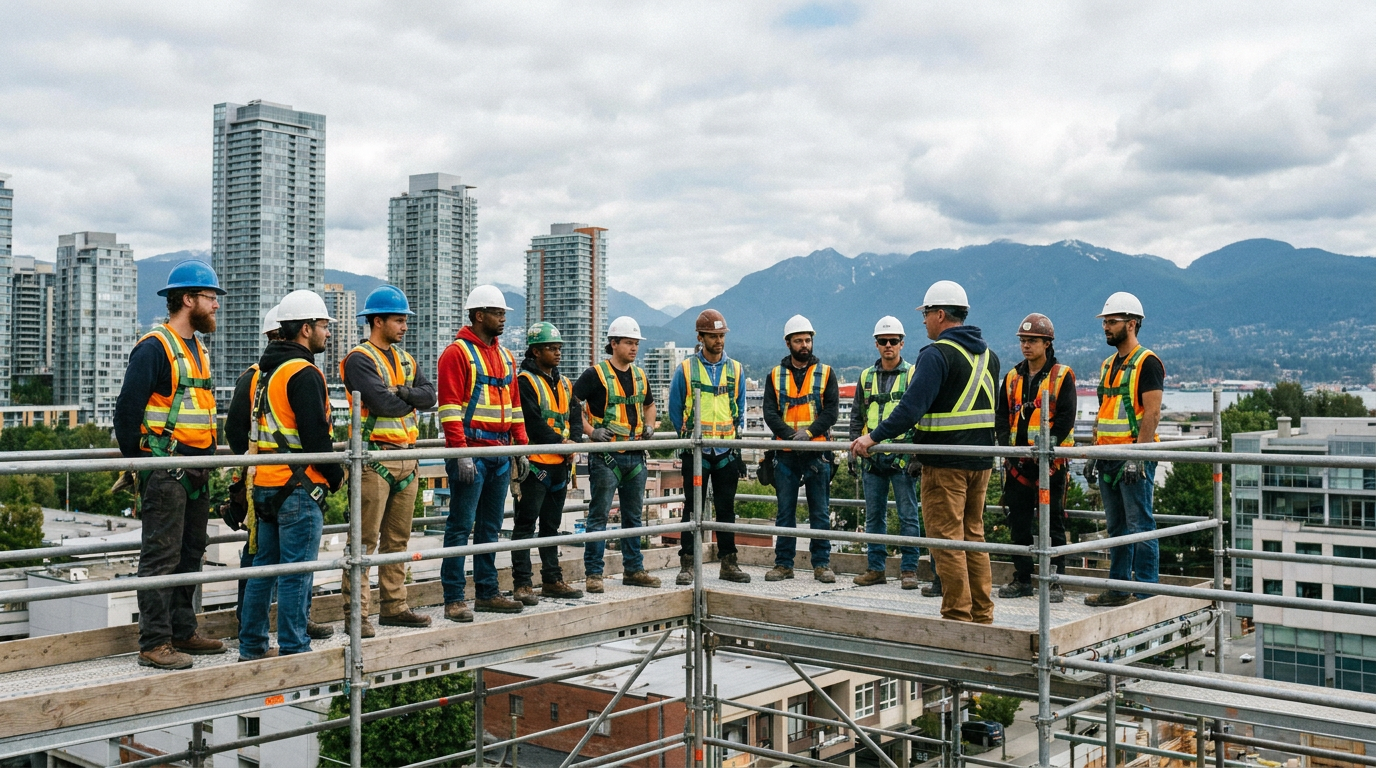
In British Columbia, fall protection training is mandatory for any worker who may be exposed to the hazard of falling from a height of 3 meters (10 feet) or more, or where a fall from a lesser height involves an unusual risk of injury (such as falling onto hazardous equipment). In Metro Vancouver, this regulatory requirement frequently applies to professionals in construction, roofing, window cleaning, and telecommunications.
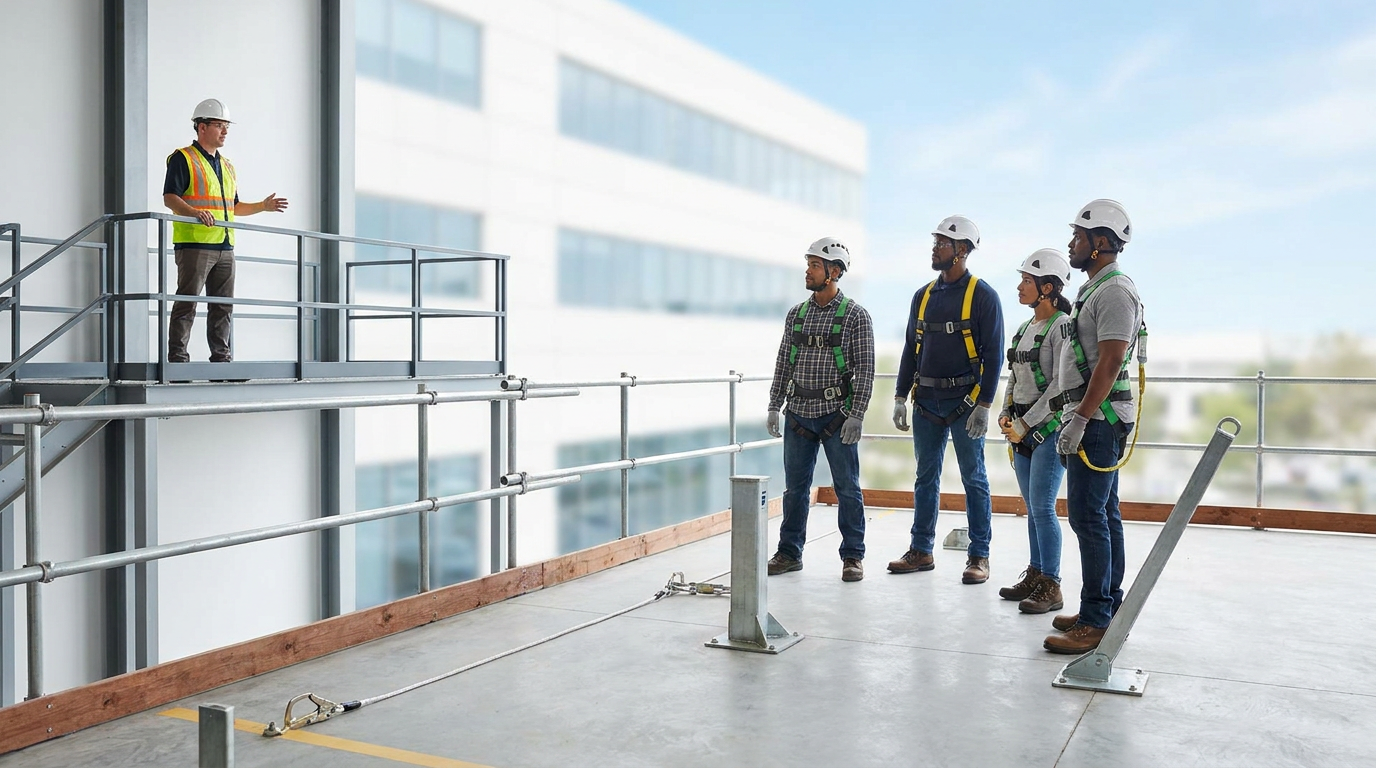
To be compliant with WorkSafeBC, workers must be "competent" in the use of their equipment. This competency is achieved through formal training that covers the inspection, maintenance, and proper use of harnesses, lanyards, and anchor points. For employers, ensuring your team is certified is not just about safety—it's about avoiding the significant fines associated with non-compliance in the Vancouver area.
4 Essential Insights into British Columbia Fall Protection Standards
1. Adhering to the WorkSafeBC Fall Protection Hierarchy
Compliance begins with understanding the "Fall Protection Hierarchy." This framework dictates that employers must first try to eliminate the hazard entirely or use guardrails before relying on personal fall-arrest systems. For project managers and those undergoing Construction Safety Officer Training, mastering this hierarchy is essential for passing site inspections and protecting workers across the Lower Mainland.
2. Integration with Comprehensive Site Safety
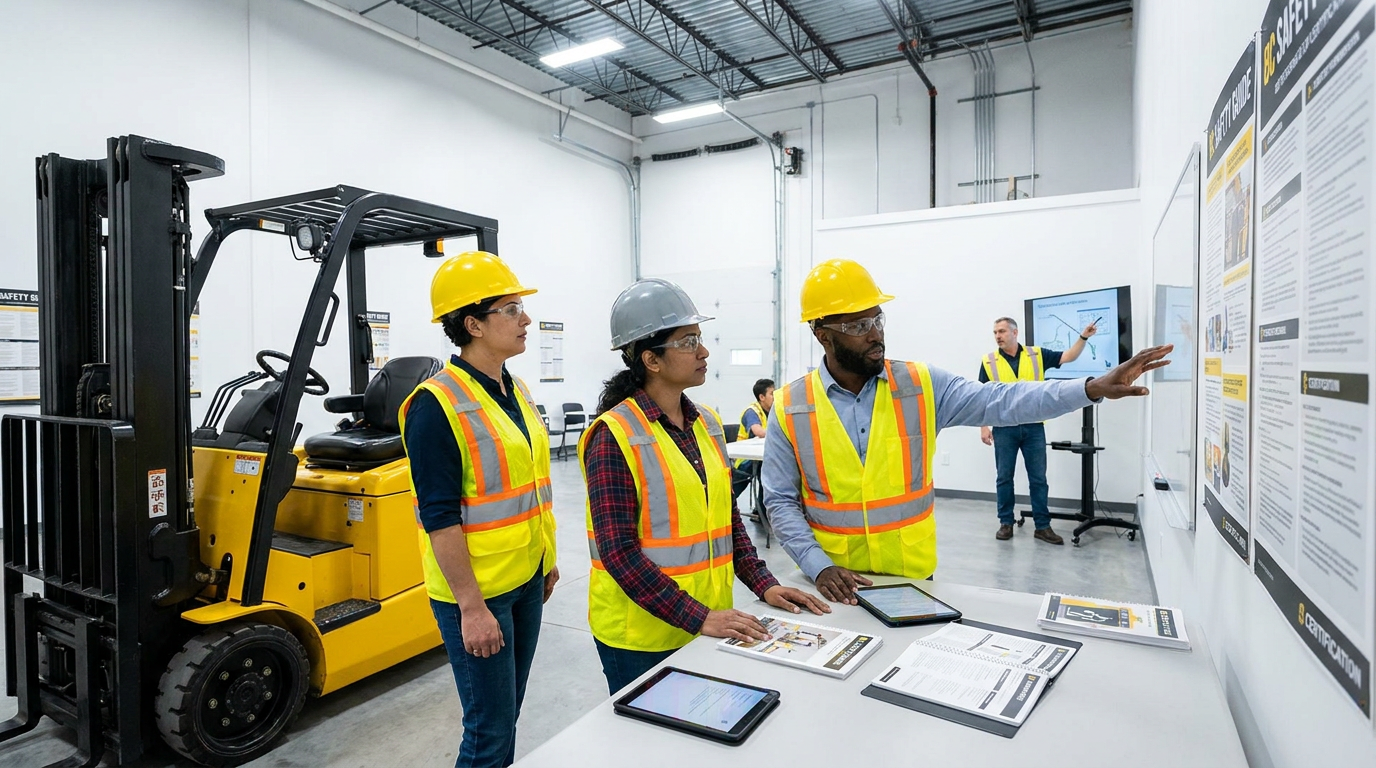
Fall protection does not exist in a vacuum; it is a component of a larger safety ecosystem. On BC jobsites, workers at heights often interact with heavy machinery. For example, ensuring your crew has Forklift Certification alongside fall safety training prevents accidents during the loading and unloading of materials at elevated levels. Implementing holistic safety measures for construction site workers significantly reduces the likelihood of multi-hazard incidents in busy industrial zones like Surrey and Richmond.
3. The Critical Need for Rescue Planning
A common mistake is focusing solely on preventing the fall and neglecting what happens after one occurs. A worker suspended in a harness can suffer from suspension trauma (orthostatic intolerance) within minutes, which can be fatal. This is why having staff trained in Standard First Aid + CPR/AED on-site is vital for immediate response. WorkSafeBC requires a written rescue plan and the equipment necessary to perform a prompt rescue in the Lower Mainland's diverse work environments.
4. Identifying Overlapping Hazards at Height
Working at heights often involves intersecting risks. A worker on a rooftop near high-tension wires must understand how to prevent electrocution, while those transitioning from an elevated platform into a restricted vessel will require Confined Space Safety training. Identifying these overlapping hazards is a hallmark of a high-functioning safety culture in any BC industrial setting.
Professional Fall Protection Certification in the Lower Mainland
For those seeking accessible, high-quality instruction, Metro Safety Training provides WorkSafeBC-compliant courses across Metro Vancouver. We offer flexible scheduling to help your team stay certified without disrupting project timelines.
- Main Campus: Convenient Coquitlam safety training located near major transit routes.
- Regional Access: Specialized training centers serving Surrey and Vancouver area professionals.
Conclusion: Building a Culture of Safety
Fall protection is a non-negotiable aspect of workplace safety in British Columbia. By identifying who is at risk and providing them with the necessary skills and certifications, employers protect their most valuable assets—their people. From understanding WorkSafeBC mandates to ensuring your team has the first aid skills to respond to emergencies, comprehensive training is the key to a zero-accident job site. Stay safe, stay compliant, and ensure your team is ready for the heights of the Lower Mainland.
Frequently Asked Questions
Need Safety Training?
Metro Safety Training runs WorkSafeBC-recognized first aid, CPR and workplace safety courses in Coquitlam, Surrey and Burnaby, and on-site anywhere in Metro Vancouver.
coquitlam
surrey