Metro Safety Training Team
Certified Instructor & Editorial Team
First aid knowledge is a critical lifeline when dealing with fire emergencies. Fires in residential or commercial settings can occur suddenly and without warning, posing significant risks to life, health, and property. For residents and workers in the Lower Mainland, understanding essential first aid techniques and fire response strategies is crucial for effectively managing injuries. The ability to respond quickly and correctly can be the key to reducing fatalities and long-term trauma.
Prioritizing Life Safety During a Fire
In the event of a fire, your absolute first priority is life safety. Life safety in a fire means ensuring you and the victim are safe from immediate dangers, such as structural collapse, toxic smoke, and active flames, before attempting any medical treatment. Only perform first aid once you have reached a designated safe assembly point or an area with fresh air. Moving a victim is only recommended if their current location poses an immediate threat to their life.
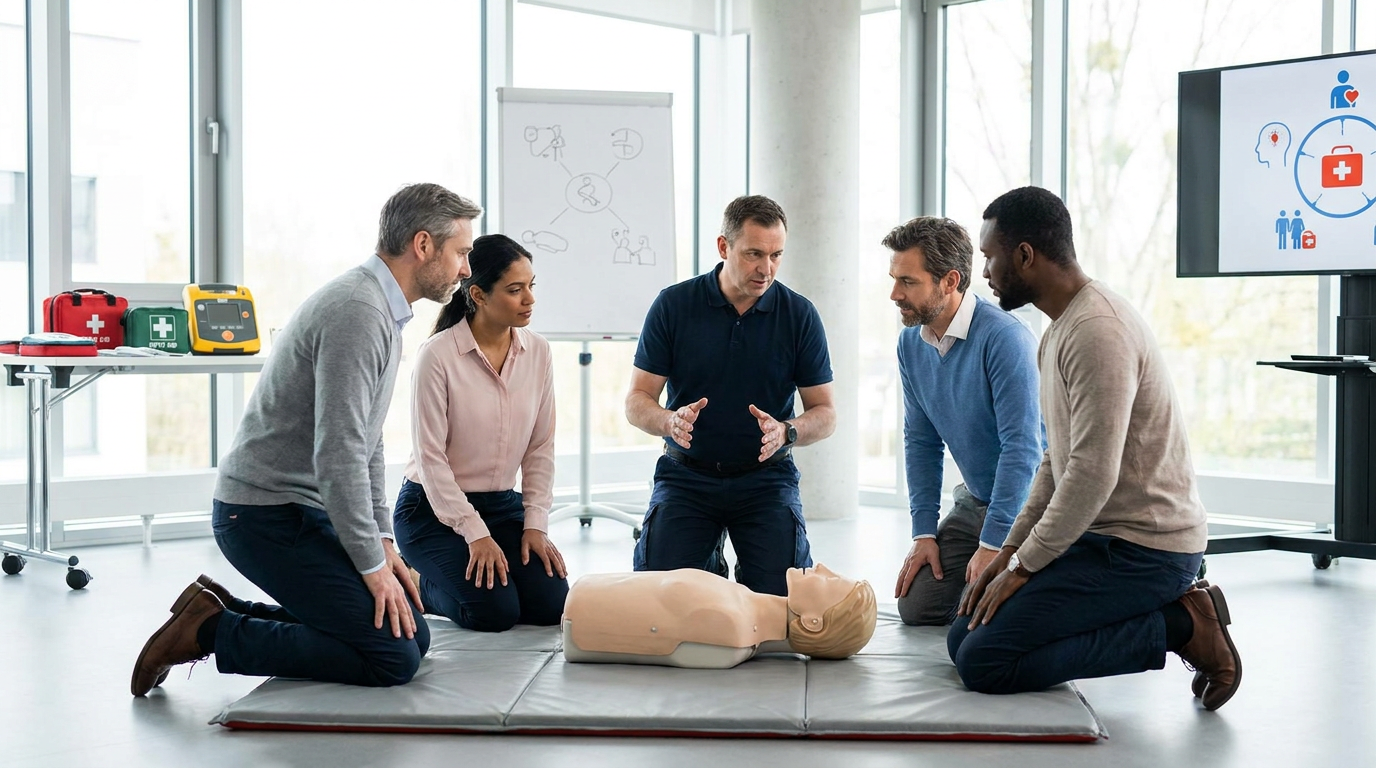
Training and preparedness are vital in knowing how to respond under pressure. In the Vancouver area, professionals often rely on Intermediate First Aid (OFA 2) training to lead emergency responses. Knowing when to move a victim and when to wait for emergency responders is a core component of responsible first aid practice in fire scenarios.
Essential Fire Safety and Preparedness in Surrey
Every resident in Surrey and the surrounding Metro Vancouver area should understand fire safety fundamentals. Fires can spread with incredible speed; therefore, identifying multiple escape routes and having a clear emergency plan is essential for every household and workplace. Regularly practicing fire drills and ensuring smoke alarms are functional on every floor substantially enhances your preparedness.
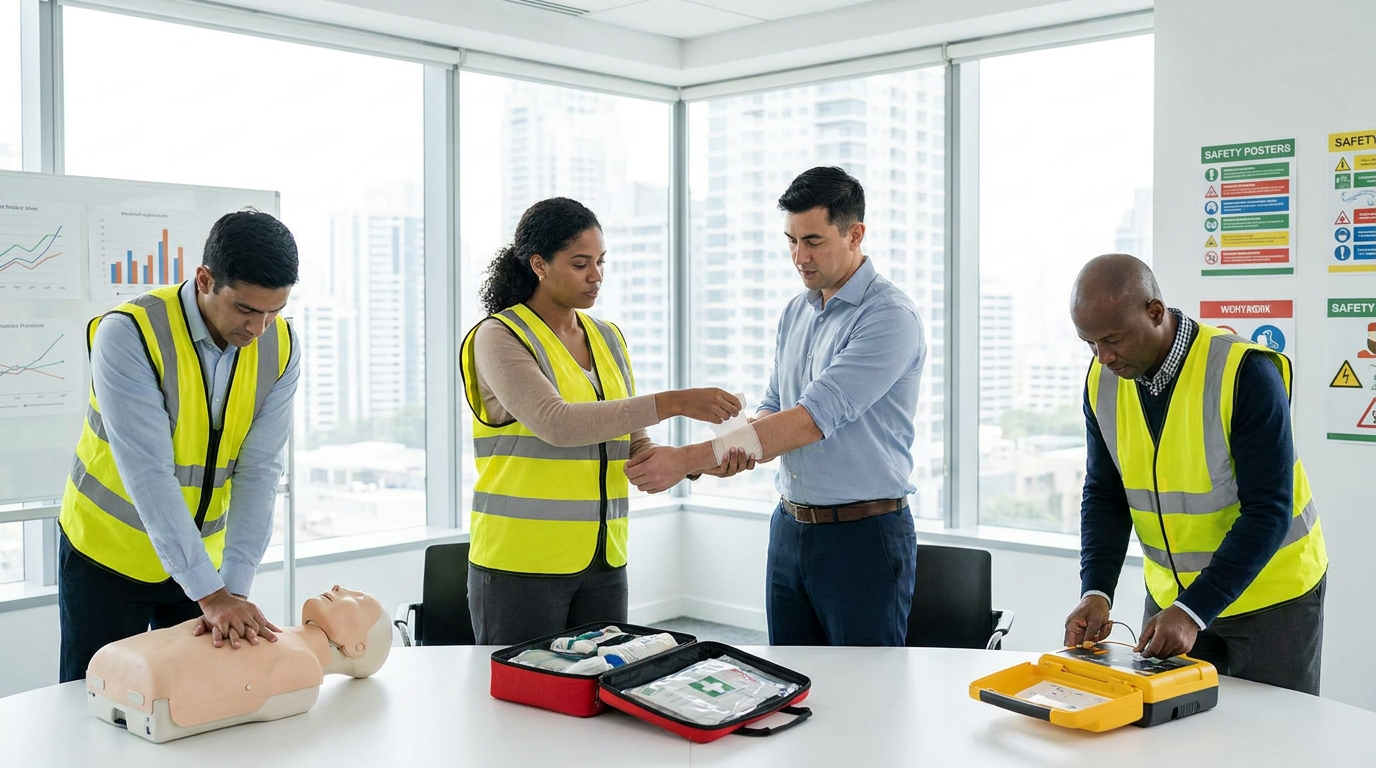
However, even with the best prevention strategies, accidents occur. Understanding the hazards of inadequate first aid provision and having the right skills can mitigate the consequences of a fire. This includes keeping a well-stocked first aid kit accessible and knowing how to use its contents under high-stress conditions.
Burn Treatment: Classifications and Response
Burns are the most common injuries sustained during fire events. To provide effective care, first aid attendants must be able to differentiate between the three primary categories of burns to determine the necessary level of medical intervention:
- First-Degree Burns: These affect only the outer layer of skin (epidermis), causing redness and pain. Action: Apply cool (not cold) running water immediately for at least 10–20 minutes and protect the area with a clean, non-stick bandage.
- Second-Degree Burns: These extend deeper into the dermis, leading to intense pain and blistering. Action: Protect blisters from popping to prevent infection, cover the area loosely with sterile dressing, and seek medical attention.
- Third-Degree Burns: These are the most severe, damaging multiple skin layers and underlying tissues, often appearing charred or white. Action: Call 911 immediately. Do not apply water or ointments; cover loosely with a sterile cloth and monitor the victim for shock.
For more detailed instructions on managing fire-related trauma, see our guide on first aid essentials for fire situations.
Managing Smoke Inhalation Hazards
Smoke inhalation is a leading cause of death in fire events, often occurring before flames even reach a victim. Toxic smoke can cause immediate respiratory distress or delayed lung inflammation. Common symptoms include persistent coughing, shortness of breath, hoarseness, and mental confusion.
If someone shows these symptoms, move them to fresh air immediately. If the individual is unconscious and not breathing, begin CPR if you are certified to do so. Enrolling in Emergency First Aid & CPR/AED training in Surrey provides the hands-on practice needed to manage airway emergencies and smoke-related collapses effectively.
Addressing Secondary Fire-Related Injuries
During a frantic escape from a burning building, secondary injuries such as falls, lacerations, and fractures are common. Whether it is a deep cut or a workplace bone injury, staying calm and applying basic first aid can prevent a medical situation from worsening until professional help arrives at your Surrey or Burnaby location.
- Controlling Bleeding: Apply direct pressure with a clean cloth.
- Caring for Wounds: Clean minor cuts and cover them with sterile bandages.
- Managing Fractures: If you suspect a broken bone, immobilize the limb and do not attempt to "straighten" it.
Get Certified with Metro Safety Training
Empower yourself to stay calm and effective during chaos. Metro Safety Training offers WorkSafeBC-compliant programs at our Coquitlam and Surrey campuses, designed to give you the confidence to save lives. From basic certification to specialized Advanced First Aid (OFA 3), we provide the skills necessary to protect your family, coworkers, and community in the event of a fire. Don't wait for an emergency to happen—be prepared today. Reach out to our team to contact us for group bookings or individual course registration.
Frequently Asked Questions
Need Safety Training?
Metro Safety Training runs WorkSafeBC-recognized first aid, CPR and workplace safety courses in Coquitlam, Surrey and Burnaby, and on-site anywhere in Metro Vancouver.
coquitlam
surrey
Upcoming Related Courses
AFA- Oct 26- Nov 6, 2026
October 26, 2026
6a1763b2-4c7b-4caa-81f1-c292cd1054d8
$889
Basic First Aid- October 27,2026-Coquitlam
October 27, 2026
6a1763b2-4c7b-4caa-81f1-c292cd1054d8
$98
Intermediate First Aid-October 27-28, 2026-Coquitlam
October 27, 2026
6a1763b2-4c7b-4caa-81f1-c292cd1054d8
$178
Confined Space October 31, 2026
October 31, 2026
6a1763b2-4c7b-4caa-81f1-c292cd1054d8
$158
AFA-R November 2-6, 2026 Coquitlam, BC
November 2, 2026
6a1763b2-4c7b-4caa-81f1-c292cd1054d8
$698
Intermediate First Aid-November 3-4, 2026-Coquitlam
November 3, 2026
6a1763b2-4c7b-4caa-81f1-c292cd1054d8
$178