Metro Safety Training Team
Certified Instructor & Editorial Team
Updated July 16, 2026
Fire emergencies are unpredictable, high-stress situations that require immediate and decisive action. In British Columbia, where residential and industrial fire risks are a constant concern for residents from Coquitlam to the North Shore, knowing how to provide immediate care can be the difference between a minor injury and a lifelong complication. Whether you are at home in the Vancouver area or managing a construction site in Surrey, having the right life-saving knowledge and a well-stocked kit is vital for community safety.
What are the 5 Essential First Aid Steps for Fire Situations?
In a fire emergency, the primary goal of first aid is to stop the burning process, cool the injury, and prevent infection while waiting for professional medical services. In British Columbia, response protocols are guided by WorkSafeBC standards. Following the foundational 3 Cs of first aid—Check, Call, and Care—ensures your response is organized, calm, and effective.
1. Ensure Personal Safety First
You cannot help a victim if you become one yourself. Before approaching anyone injured in a fire, ensure the area is safe. In the Lower Mainland, WorkSafeBC regulations mandate that the safety of the rescuer is the top priority. If the fire is still active or smoke is dense, stay back and wait for emergency responders. Assessing the "Check" phase of the 3 Cs is critical before entering any hazardous zone.
2. Stop the Burning Process
If someone's clothing is on fire, use the "Stop, Drop, and Roll" method. For heat-related burns from fire or steam, you must stop the thermal energy from continuing to damage the skin. Remove any jewelry or restrictive clothing near the burn site immediately, as swelling often occurs rapidly. However, never attempt to remove clothing that is stuck to the burn, as this can cause further tissue damage and increase the risk of infection.
3. Cool the Burn with Running Water
The most effective treatment for a minor fire-related burn is cool (not cold) running water. Apply water for at least 10 to 20 minutes. This helps dissipate the heat and reduces pain by stopping the "cooking" of the skin layers. Avoid using ice, butter, or ointments, as these can actually trap heat or lead to infection. For workplace safety leaders, obtaining a Basic First Aid (OFA 1) certification is the best way to learn how to distinguish between superficial and deep tissue burns.
4. Treat for Smoke Inhalation
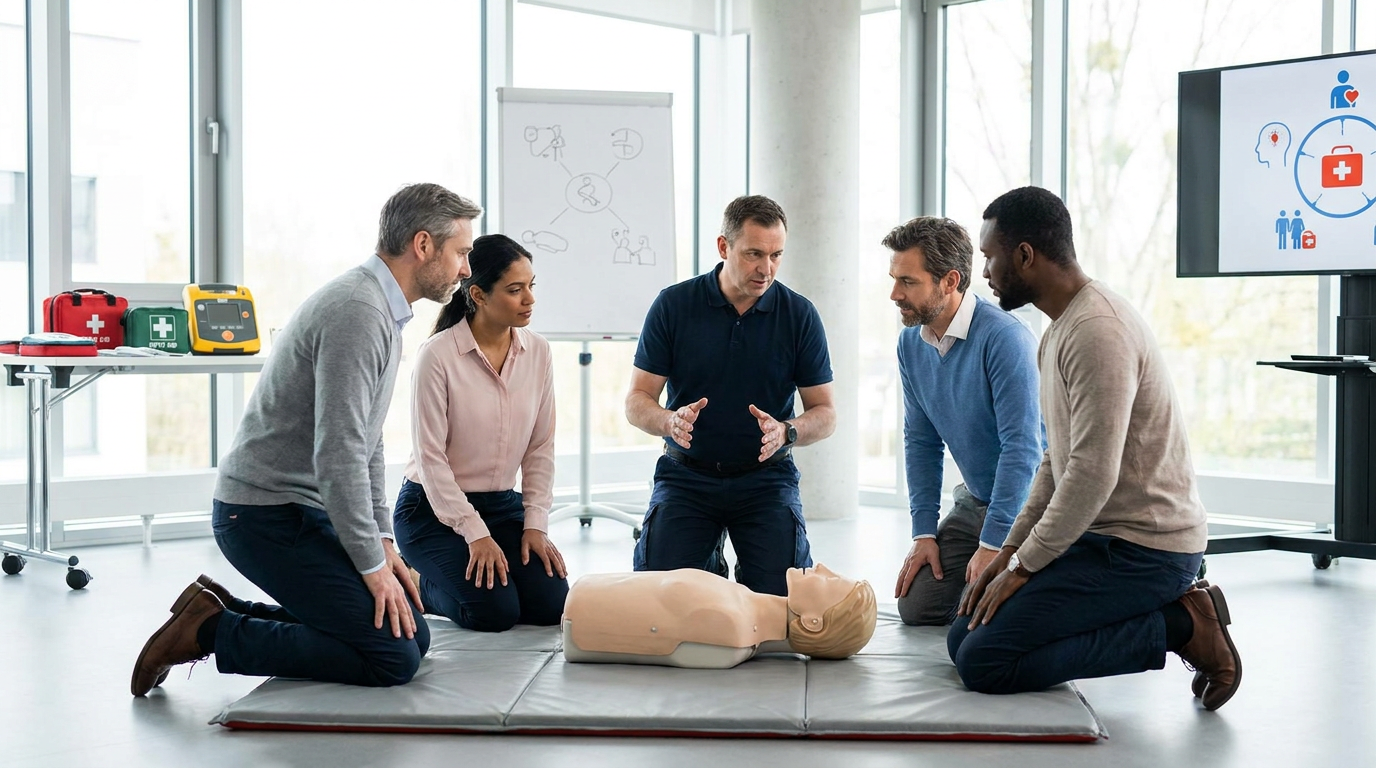
Fire situations involve more than just external burns; smoke inhalation is a silent and deadly threat in enclosed spaces. If a person has been in a smoke-filled environment, move them to fresh air immediately. Monitor their breathing closely, as smoke inhalation can cause the airway to swell over time. If the individual is unconscious or struggling to breathe, call 9-1-1 immediately. Be prepared to perform CPR if you are certified through an Emergency First Aid & CPR/AED course.
5. Cover the Injury Loosely
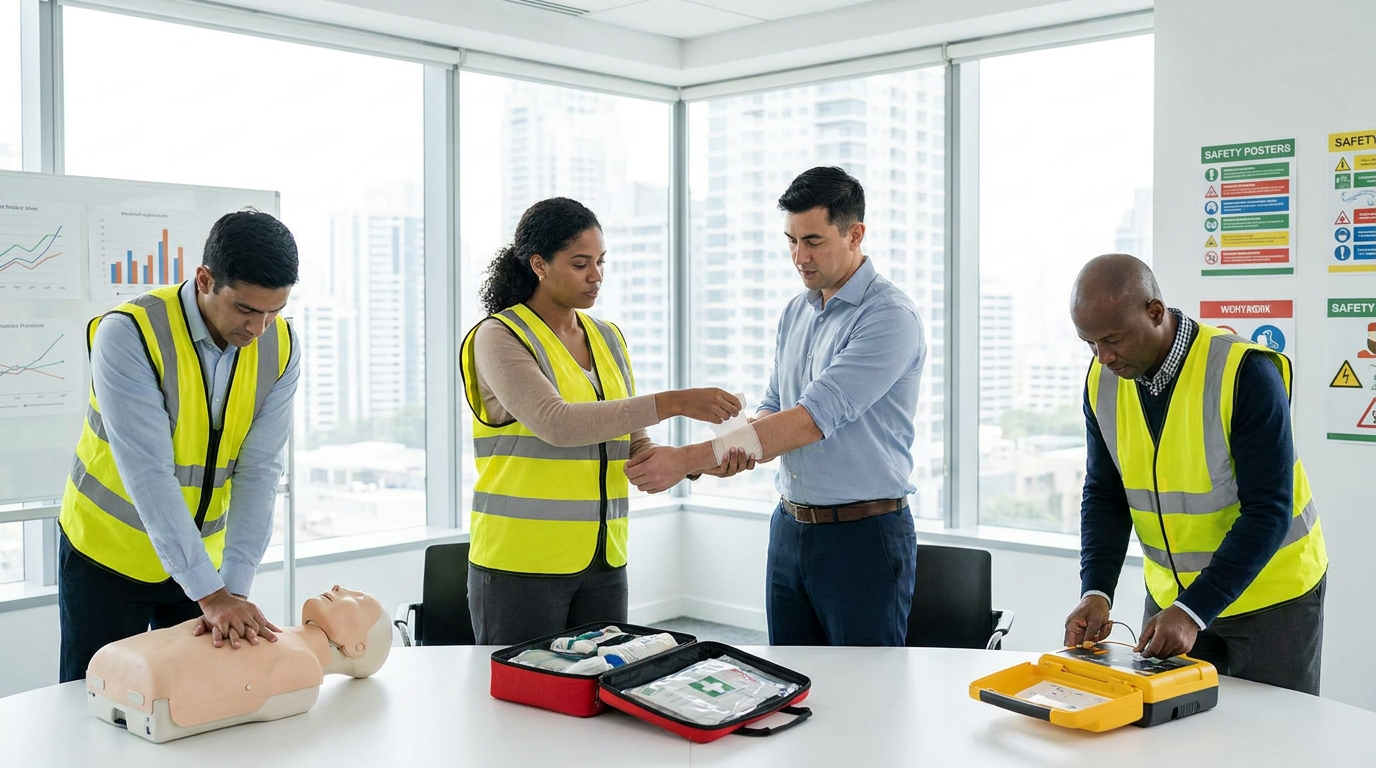
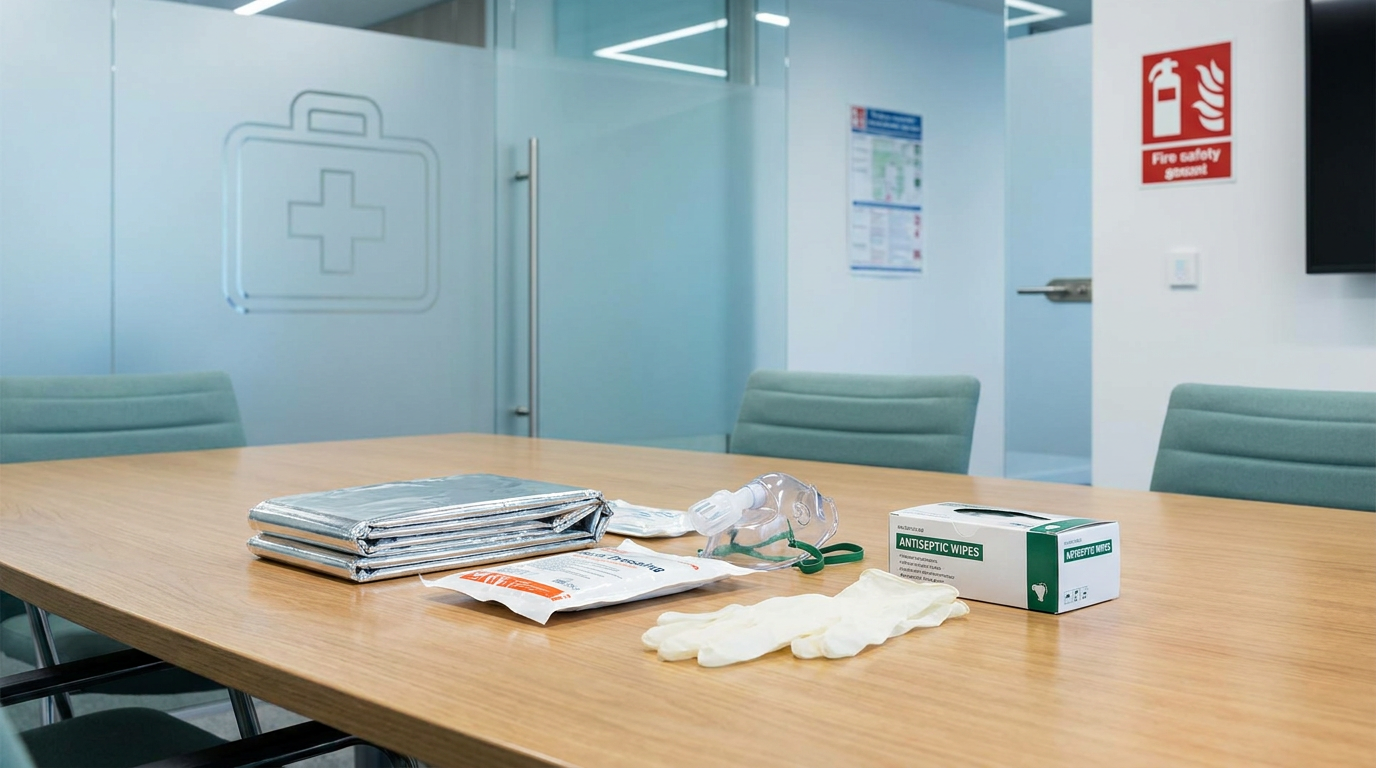
Once cooled, a burn should be covered with a sterile, non-adherent bandage or clean plastic wrap. This protects the area from air (which reduces pain) and prevents environmental contamination. In a workplace setting in Burnaby or New Westminster, ensure your workplace first aid kit contains the appropriate sterile dressings and conforming gauze required by provincial health and safety standards.
First Aid Training for High-Risk BC Environments
For those working in industrial sectors across the Lower Mainland, fire risks are often tied to specific hazards. For example, understanding how to prevent electrocution is critical, as electrical fires require different first aid responses than wood or chemical fires. If your work involves high-risk zones or confined spaces, consider enrolling in Intermediate First Aid (OFA 2) for more comprehensive trauma management skills. Metro Safety Training provides these certifications regularly at our Coquitlam campus, conveniently located for residents throughout Metro Vancouver.
Conclusion: Stay Prepared Throughout Metro Vancouver
Being prepared for fire-related injuries means more than just having a fire extinguisher; it means having the skills to save a life in the aftermath. By following these five essentials—safety, stopping the burn, cooling, managing inhalation, and covering the injury—you provide the best chance for recovery. Whether you are seeking training for personal knowledge or to meet WorkSafeBC compliance, Metro Safety Training offers certified courses throughout Metro Vancouver to ensure you are ready for any emergency.
Frequently Asked Questions
Need Safety Training?
Metro Safety Training runs WorkSafeBC-recognized first aid, CPR and workplace safety courses in Coquitlam, Surrey and Burnaby, and on-site anywhere in Metro Vancouver.
coquitlam
surrey
Upcoming Related Courses
AFA- Oct 26- Nov 6, 2026
October 26, 2026
6a1763b2-4c7b-4caa-81f1-c292cd1054d8
$889
Basic First Aid- October 27,2026-Coquitlam
October 27, 2026
6a1763b2-4c7b-4caa-81f1-c292cd1054d8
$98
Intermediate First Aid-October 27-28, 2026-Coquitlam
October 27, 2026
6a1763b2-4c7b-4caa-81f1-c292cd1054d8
$178
Emergency Childcare First Aid - October 31, 2026
October 31, 2026
6a1763b2-4c7b-4caa-81f1-c292cd1054d8
$98
AFA-R November 2-6, 2026 Coquitlam, BC
November 2, 2026
6a1763b2-4c7b-4caa-81f1-c292cd1054d8
$698
Intermediate First Aid-November 3-4, 2026-Coquitlam
November 3, 2026
6a1763b2-4c7b-4caa-81f1-c292cd1054d8
$178