Metro Safety Training Team
Certified Instructor & Editorial Team
As children grow and explore the world around them, injuries can range from minor scrapes on the playground to serious medical emergencies. For parents and caregivers across the Lower Mainland, having the skills to act quickly is the difference between a minor mishap and a traumatic event. This guide provides clear, actionable guidance on recognizing and treating common childhood injuries, ensuring you have the peace of mind to handle high-pressure situations.
What Are the Most Common Childhood Injuries That Require First Aid?
Children are naturally active and curious, which often leads to accidents. Occupational First Aid standards in BC emphasize that quick assessment is vital. Common injuries include cuts, scrapes, bruises, burns, sprains, and choking incidents. In the Vancouver area, these often occur during outdoor play, sports, or in the kitchen.
Which Injuries Happen Most Often in Children?
In our experience at Metro Safety Training, we see that minor cuts and abrasions from falls are the most frequent occurrences. For example, a scraped knee may simply need cleaning and dressing to avoid infection, while a minor burn from a hot stove should be cooled immediately to reduce tissue damage. Understanding how to handle common child injuries is the first step in effective care.
How Can Parents Recognize Signs of Minor vs. Serious Injuries?
Minor injuries usually involve small cuts, slight bruising, or superficial burns with localized pain and minimal swelling. Serious injuries may show excessive bleeding, deep wounds, significant swelling, severe pain, or changes in mental status. Recognizing these differences helps you decide whether home care is sufficient or if you need to visit a local urgent care clinic in Coquitlam or Burnaby.
Immediate First Aid for Cuts, Scrapes, and Bruises
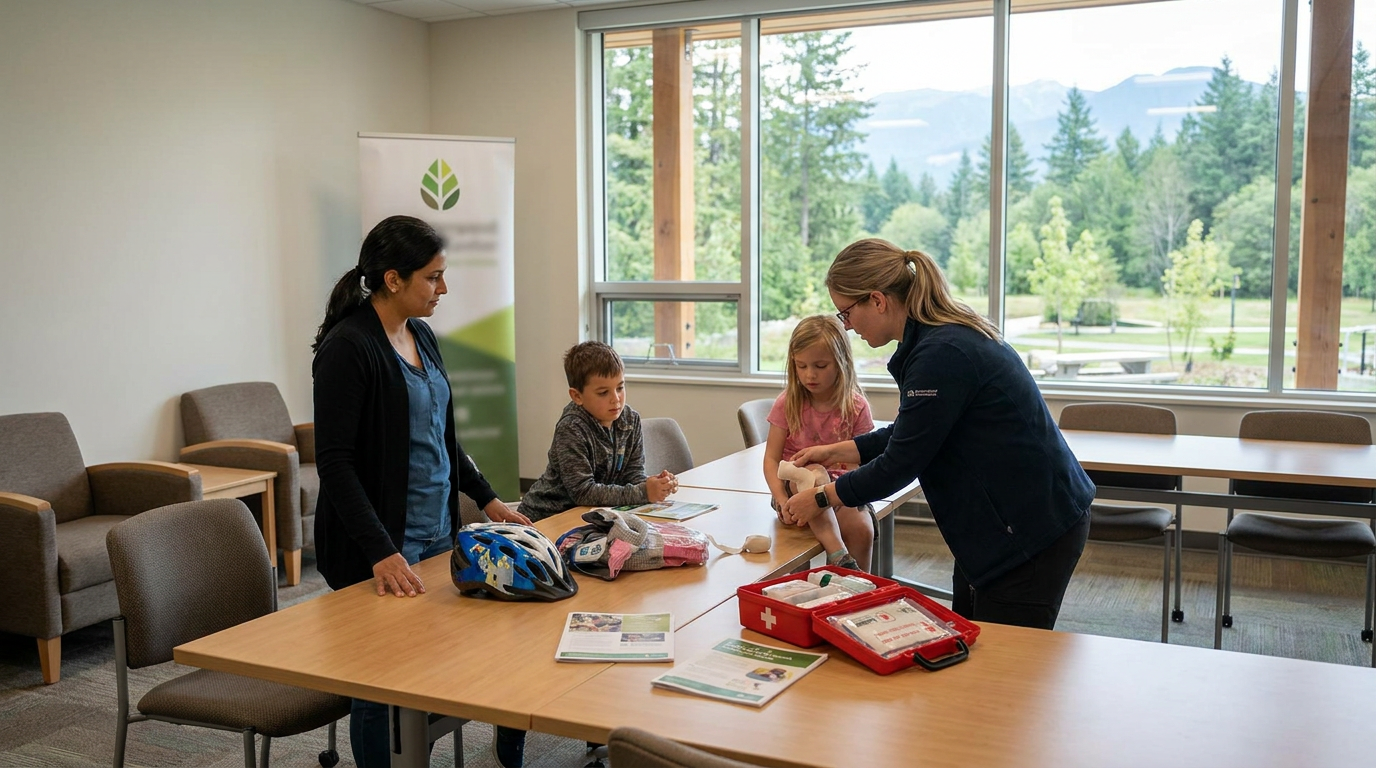
Prompt care for skin injuries reduces the risk of infection. The primary steps include stopping bleeding, cleaning the area, and protecting the wound. For parents, taking a first aid training course specifically for caregivers can provide the hands-on confidence needed to manage these wounds effectively.
Step-by-Step Treatment for Cuts and Scrapes
- Wash your hands: Always start with clean hands to prevent introducing bacteria.
- Rinse the wound: Use clean, running water to gently remove debris.
- Apply antiseptic: Use a mild antiseptic solution and cover with a sterile bandage.
- Apply pressure: If bleeding is heavy, use a clean cloth to apply gentle, firm pressure.
- Monitor: Reassure the child and watch for signs of redness or pus over the following days.
Managing Bruises and Swelling
To treat bruises, apply a cold compress for 15 minutes to lessen inflammation and numb the pain. Elevate the limb if possible to reduce swelling. If you are concerned about a potential break, learn how to prevent and manage bone injuries to understand the mechanics of fractures.
First Aid for Burns and Scalds in Children
Burns require swift action to stop the burning process. Whether it is a sunburn or a thermal burn from a hot liquid, the first 10 minutes are critical. If you live in Surrey or the surrounding area, knowing local fire safety and first aid is essential for home safety.
How to Safely Cool and Dress Minor Burns
Hold the burned area under cool running water for at least 10 minutes. Do not use ice, as extreme cold can further damage the tissue. Once cooled, gently pat the area dry and apply a thin layer of aloe vera or a specialized burn gel. Cover loosely with a clean, non-stick dressing.
Managing Sprains, Strains, and Fractures at Home
Active kids often experience musculoskeletal injuries. Early treatment using the R.I.C.E. method can significantly aid recovery and reduce long-term damage.
- Rest: Encourage the child to stop using the injured limb immediately.
- Ice: Apply a cold pack wrapped in a towel for 15–20 minutes every hour.
- Compression: Use an elastic bandage to wrap the area snugly (but not so tight it cuts off circulation).
- Elevation: Keep the injured area above the level of the heart to reduce blood flow and swelling.
Handling Choking and Breathing Emergencies
Choking is a life-threatening emergency that requires immediate intervention. If you are a teacher or daycare worker in the Lower Mainland, basic first aid training is crucial for school environments.
First Aid for Choking in Infants and Children
For infants (under 1 year), use a combination of 5 back blows followed by 5 chest thrusts, keeping the head lower than the chest. For older children, perform the Heimlich maneuver (abdominal thrusts). Always call 911 if the object does not dislodge immediately or if the child loses consciousness.
Assembling Your Child-Specific First Aid Kit
A well-stocked kit is your best friend during an emergency. You can find many essentials at our online safety store. Ensure your kit includes adhesive bandages of all sizes, antiseptic wipes, gauze pads, a digital thermometer, and tweezers for splinters. For a complete list, check our Home First Aid Kit Checklist.
Expert Tips: Building Confidence as a Caregiver
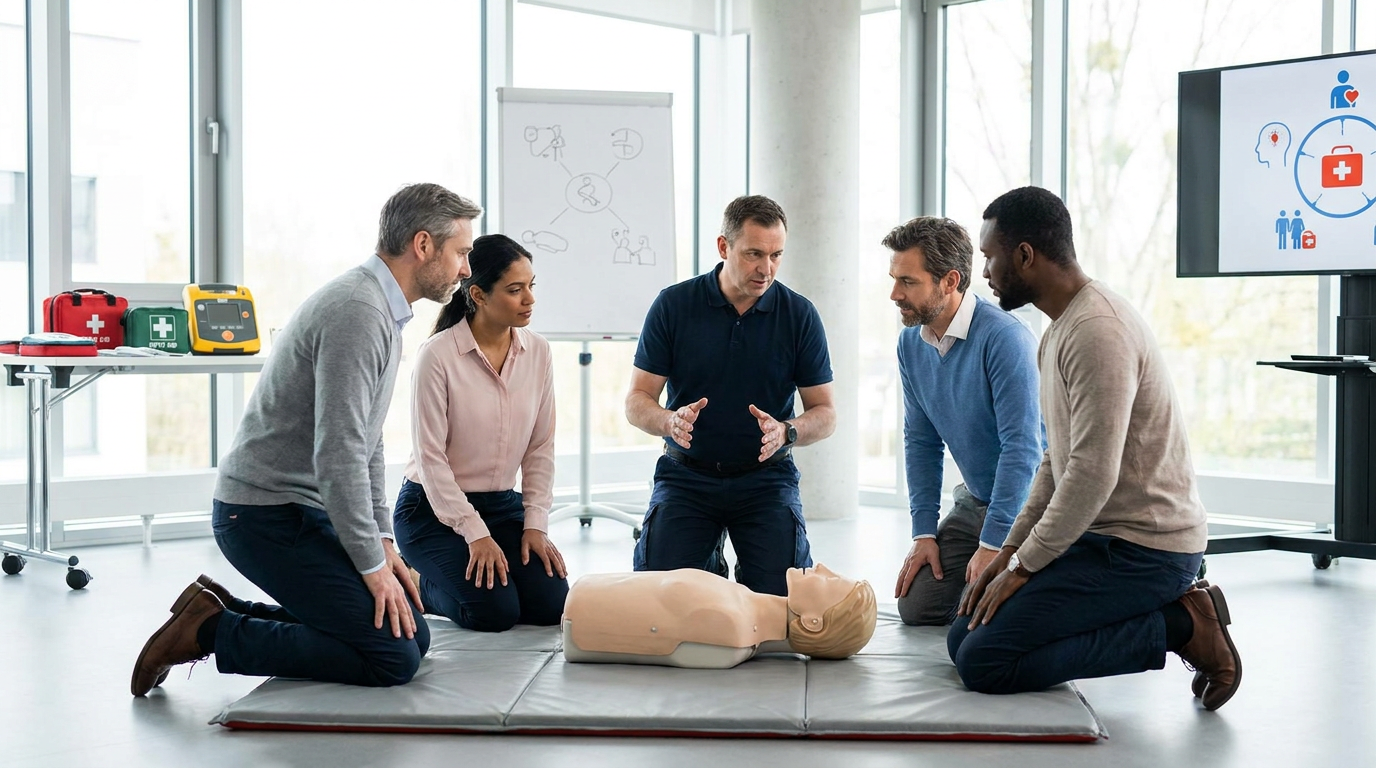
The best way to stay prepared is through formal training. We recommend that parents in Metro Vancouver enroll in a Child Care First Aid course. These sessions provide hands-on practice for CPR and choking that you simply cannot get from a video alone.
Injury Quick Reference Table
| Injury Type | Common Signs | First Aid Tip | Urgency Level |
|---|---|---|---|
| Cuts/Scrapes | Bleeding, minor swelling | Clean, disinfect, bandage | Low |
| Burns/Scalds | Redness, blistering | Cool water for 10 min | Moderate to High |
| Sprains | Swelling, pain | Apply R.I.C.E. method | Moderate |
Conclusion
Childhood injuries are an inevitable part of growing up, but they don't have to be a cause for panic. By understanding the basics of wound care, burn management, and emergency response, you can act as your child's first line of defense. Remember that while home care works for minor incidents, professional training is the only way to truly master life-saving skills. Stay prepared, keep your kit stocked, and consider joining us for a certification course in the Lower Mainland to ensure your family's safety.
Frequently Asked Questions
Need Safety Training?
Metro Safety Training runs WorkSafeBC-recognized first aid, CPR and workplace safety courses in Coquitlam, Surrey and Burnaby, and on-site anywhere in Metro Vancouver.
coquitlam
surrey