Metro Safety Training Team
Certified Instructor & Editorial Team
In the high-traffic warehouses and industrial sites across the Lower Mainland, forklifts serve as the backbone of daily productivity. However, these powerful machines also present significant risks if handled incorrectly or by untrained personnel. In British Columbia, professional forklift operator training is not just a best practice—it is a strict regulatory requirement under WorkSafeBC to ensure workers remain safe while maintaining peak operational efficiency.
Whether you are operating a lift in a busy Vancouver shipping hub or managing a manufacturing plant in Coquitlam, understanding the nuances of forklift safety is essential for preventing life-altering injuries and costly property damage. At Metro Safety Training, we provide the hands-on experience necessary to master these vehicles safely.
Key Components of Forklift Operator Training in BC
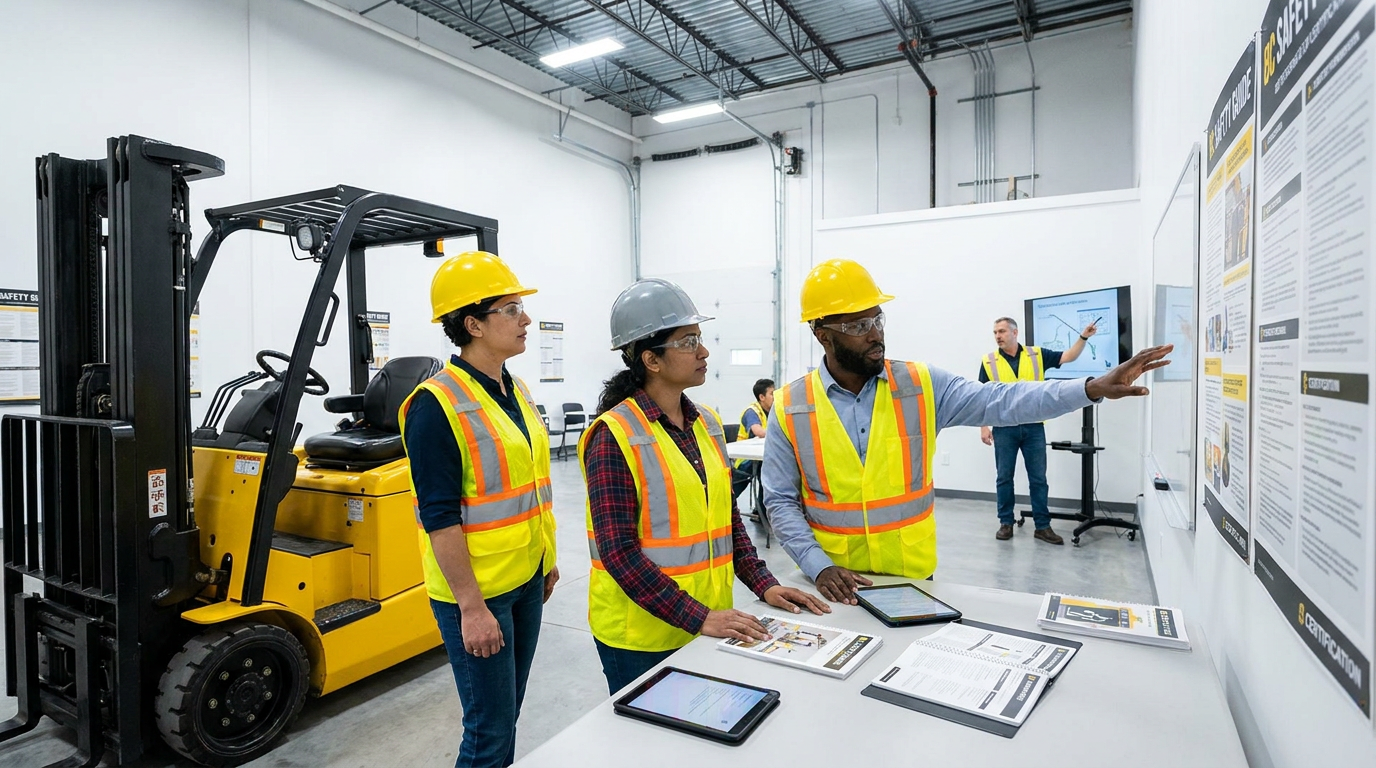
To operate a lift truck safely, an operator must master more than just basic maneuvering. A professional Forklift Certification program covers several technical and safety-oriented domains designed to meet provincial standards.
1. Forklift Operation Fundamentals
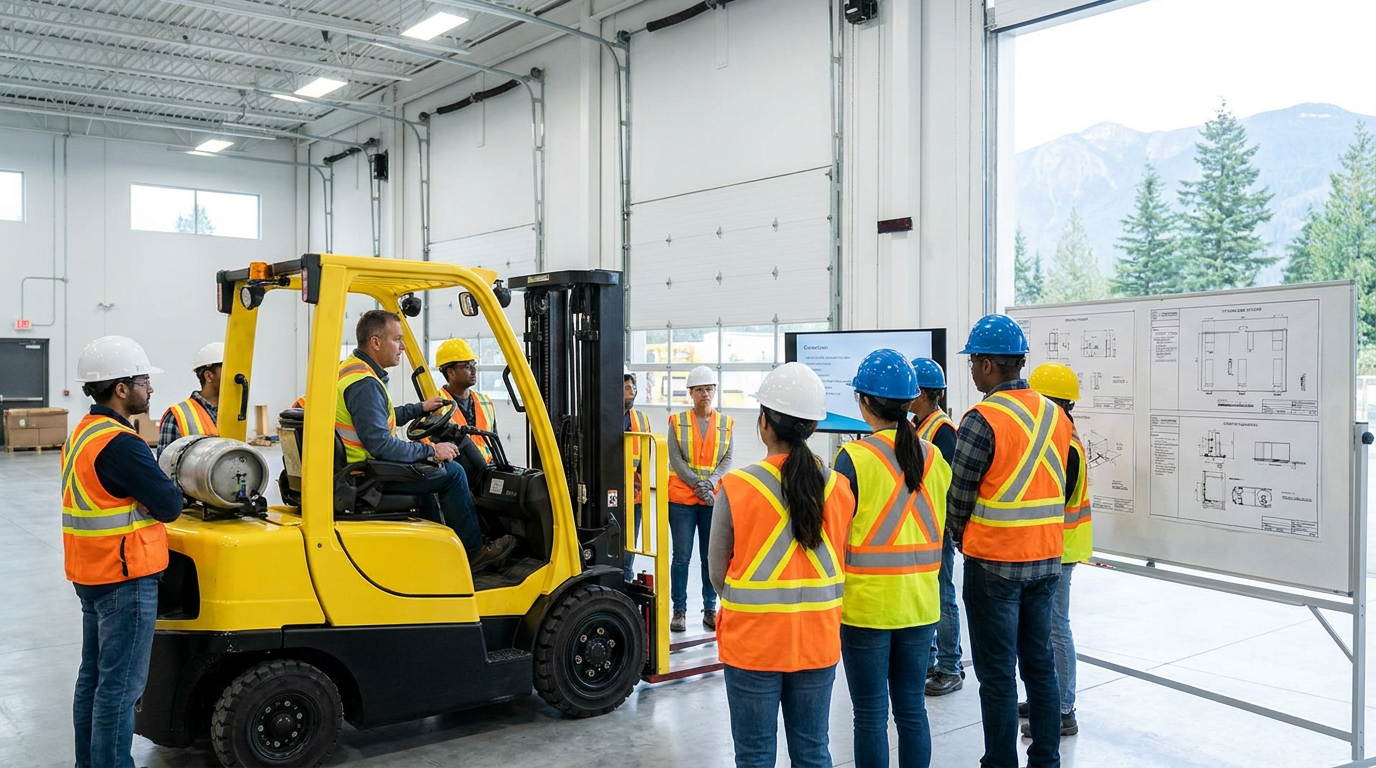
A comprehensive training program introduces the core mechanics of the vehicle, which differ significantly from standard automobiles. This includes mastering rear-axle steering and understanding the "stability triangle." Operators must become proficient in using hydraulic controls for tilting, lifting, and side-shifting to ensure the machine remains balanced, especially when navigating tight corners in a warehouse.
2. Rigorous Safety Protocols and Inspections
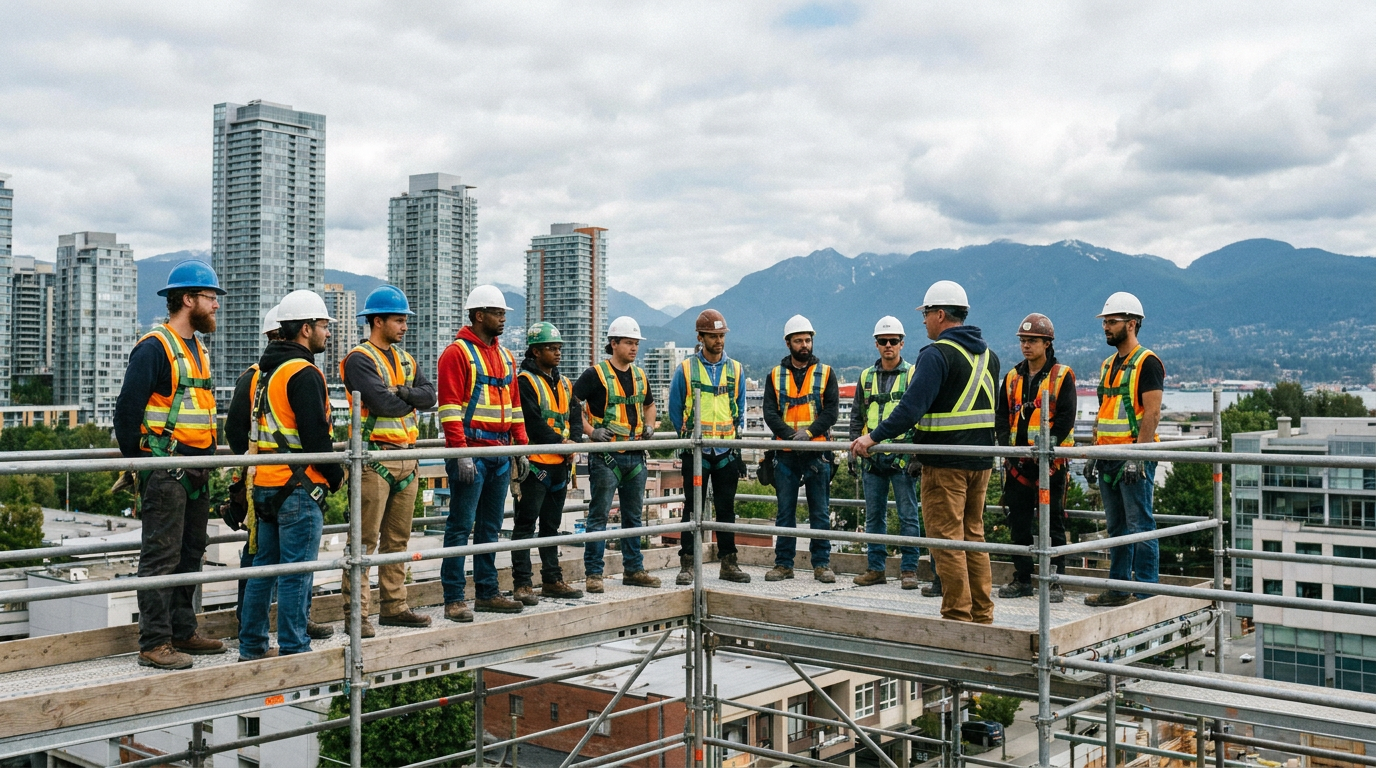
Safety is the cornerstone of all industrial training in Metro Vancouver. Operators are taught to conduct systematic pre-shift inspections, identifying potential leaks, worn tires, or faulty hydraulics before the machine is ever put into service. Adhering to these protocols is as essential as following safety measures for construction site workers, as both environments prioritize the prevention of mechanical failure and environmental hazards.
3. Advanced Load Handling Techniques
Lifting, transporting, and stacking materials require extreme precision. Trainees learn how to center loads, secure uneven pallets, and navigate ramps safely. Understanding the center of gravity is critical; many tip-over accidents occur because an operator underestimated the weight or height of a load. Proper handling is one of the most effective ways for preventing bone injuries in the workplace caused by falling debris or vehicle roll-overs.
Best Practices for Safe Forklift Operation in the Lower Mainland
Maintaining a safe workplace in British Columbia requires a commitment to ongoing vigilance and adherence to industry best practices. Here is how local businesses can stay compliant:
- Daily Inspections: A forklift that hasn't been inspected is a hazard. Checking fluid levels, forks, and chains daily ensures equipment is fit for work in busy Surrey or Burnaby industrial parks.
- Verified Certification: In BC, employers must ensure that forklift operators are competent. Enrolling in a formal program at our Coquitlam campus ensures your team meets WorkSafeBC standards.
- Respect Load Capacity: Every forklift has a data plate indicating its maximum capacity. Exceeding these limits is a leading cause of tip-over accidents.
- Continuous Training: Skills can fade over time. Periodic refresher courses help reinforce safe habits and update operators on new WorkSafeBC regulations.
Integrating Equipment Safety with Emergency Preparedness
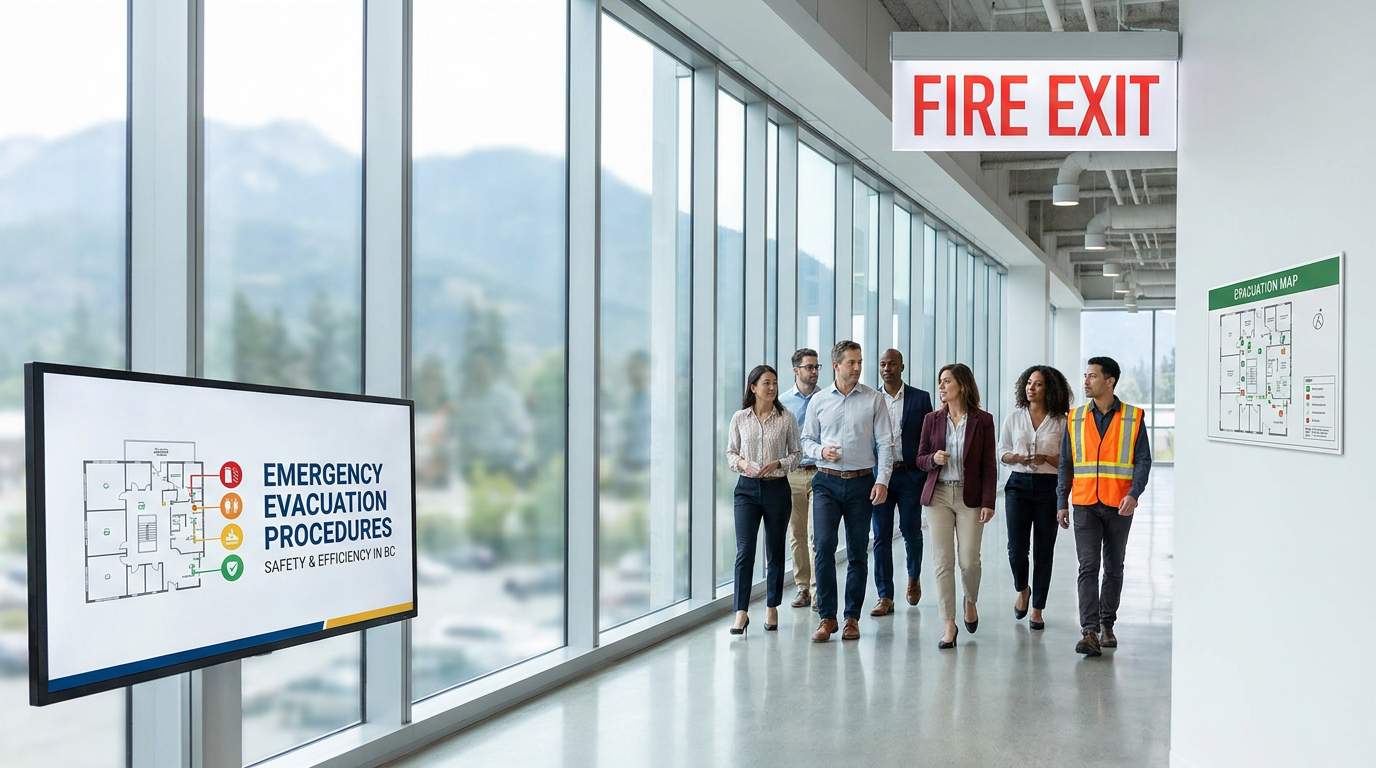
Forklift safety does not exist in a vacuum; it should be integrated into a broader health and safety strategy. Because industrial accidents can happen despite the best training, it is vital that staff are also prepared for medical emergencies. Many BC employers pair forklift certification with Basic First Aid (OFA 1) or Intermediate First Aid (OFA 2) to ensure a rapid response in the event of an incident.
For high-risk environments, having staff trained in Canadian Red Cross Level C or CPR/AED can be the difference between a minor incident and a tragedy. Metro Safety Training offers a holistic approach to workplace safety, serving professionals across the Lower Mainland with expert-led instruction that covers both machinery and life-saving care.
Conclusion: Elevating Safety Standards in Metro Vancouver
Investing in comprehensive forklift operator training is an investment in your company’s future and your employees' well-being. By focusing on fundamental mechanics, rigorous safety protocols, and continuous education, businesses in Metro Vancouver can significantly reduce the risk of accidents while increasing operational throughput. From obtaining your initial forklift ticket to completing Standard First Aid + CPR/AED, Metro Safety Training is your partner in workplace excellence. Contact us today to schedule your training at our locations in Coquitlam, Vancouver, or Surrey.
Frequently Asked Questions
Need Safety Training?
Metro Safety Training runs WorkSafeBC-recognized first aid, CPR and workplace safety courses in Coquitlam, Surrey and Burnaby, and on-site anywhere in Metro Vancouver.
coquitlam
surrey