Metro Safety Training Team
Certified Instructor & Editorial Team
Updated July 16, 2026
Efficient warehouse management is crucial for businesses in Surrey and across the Lower Mainland to meet growing consumer demands and maintain a competitive edge. One of the most effective ways to optimize warehouse operations is through the strategic use of forklifts. These powerful machines facilitate the rapid movement of goods, streamline complex workflows, and enhance overall site productivity. However, to harness their full potential, businesses must implement rigorous forklift operator training in BC and adhere to WorkSafeBC compliance standards to prevent costly downtime and injuries.
The Essential Role of Forklifts in Modern Warehousing
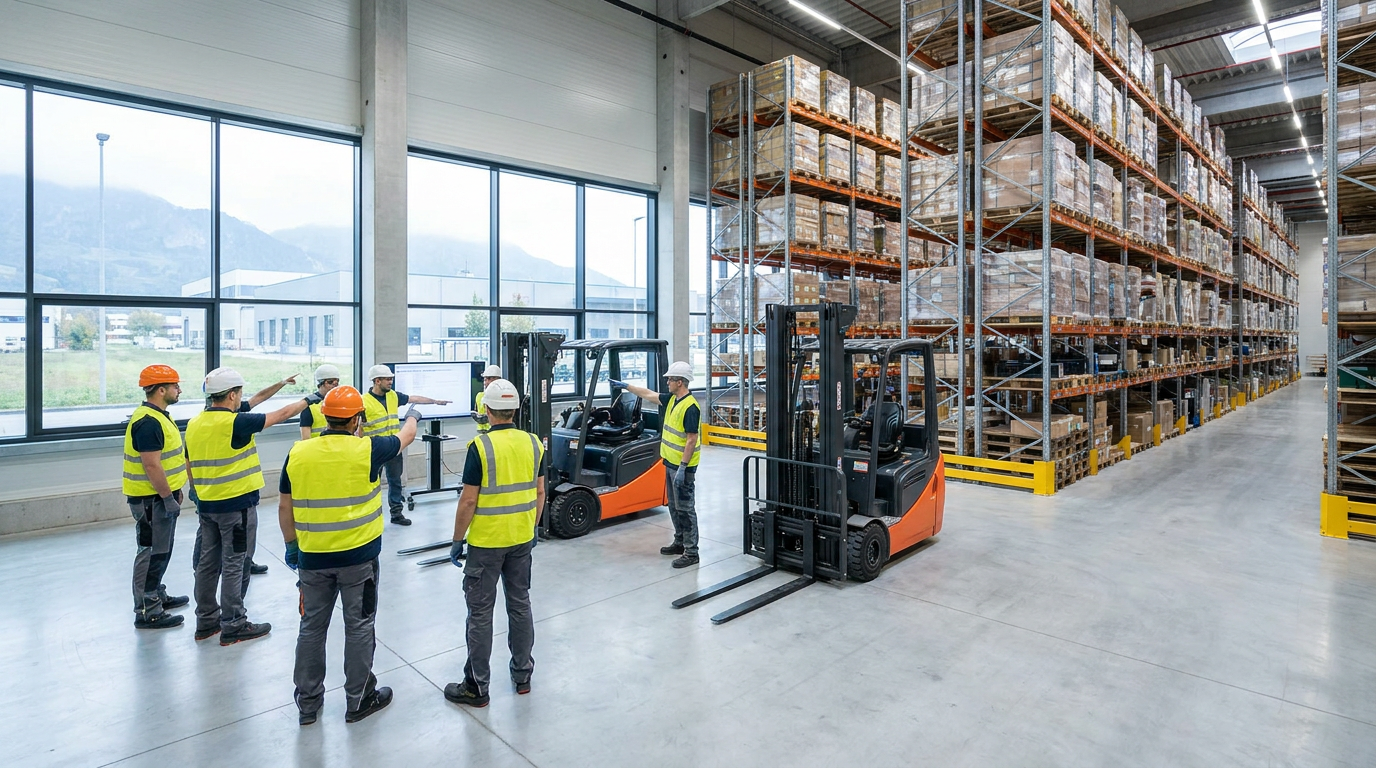
Forklifts are the backbone of modern industrial facilities, allowing for quick transportation of materials, vertical inventory stacking, and the efficient loading and unloading of goods. In high-traffic environments like those in Burnaby and Vancouver, a well-operated forklift can triple the speed of inventory turnover.
Occupational safety is paramount in these settings. Without proper oversight, heavy machinery can become a primary source of workplace injuries, making specialized training and strong safety protocols non-negotiable for Metro Vancouver employers. Integrating safety into daily operations ensures that productivity gains are not erased by WorkSafeBC investigations or equipment damage.
Key Strategies for Optimizing Warehouse Operations in BC
1. Prioritize Certified Operator Training
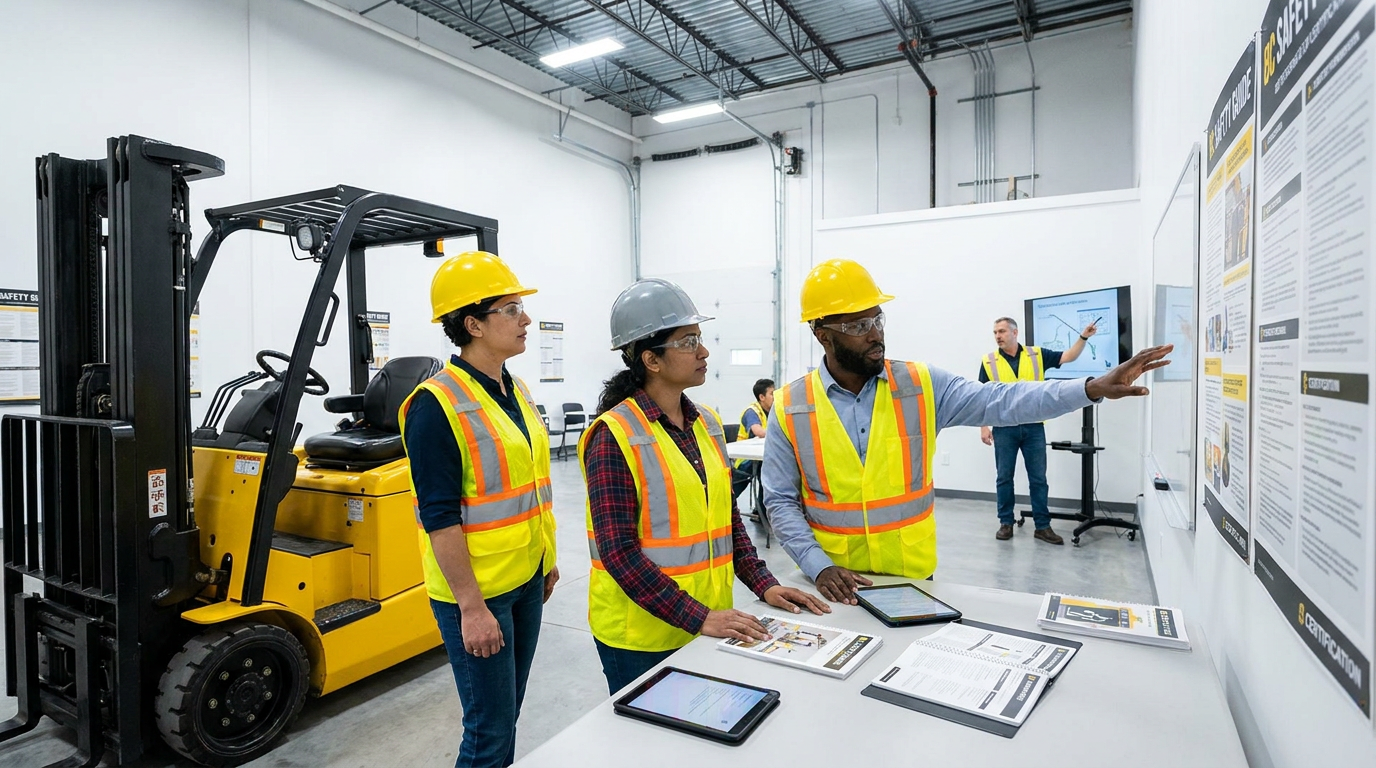
In British Columbia, businesses must prioritize safety and legal compliance by ensuring all operators hold a valid Forklift Certification. Comprehensive training covers essential topics such as load stability, maneuvering in tight aisles, and understanding the specific rated capacities of different forklift models.
At Metro Safety Training, we emphasize that technical skill must be paired with emergency readiness. Many local firms integrate Intermediate First Aid (OFA 2) training into their professional development for senior warehouse staff. This ensures that in a high-risk environment involving heavy machinery, someone is always prepared to respond to industrial accidents effectively.
2. Develop Clear Standard Operating Procedures (SOPs)
Successful warehouse management relies on clear, documented procedures. These SOPs should be highly visible and updated regularly to reflect BC OHS regulations. Key components of a forklift SOP include:
- Mandatory pre-operation equipment inspections to check hydraulic and brake systems.
- Standardized load handling and pallet stacking techniques to prevent tip-overs.
- Specified speed limits and pedestrian right-of-way rules within the warehouse.
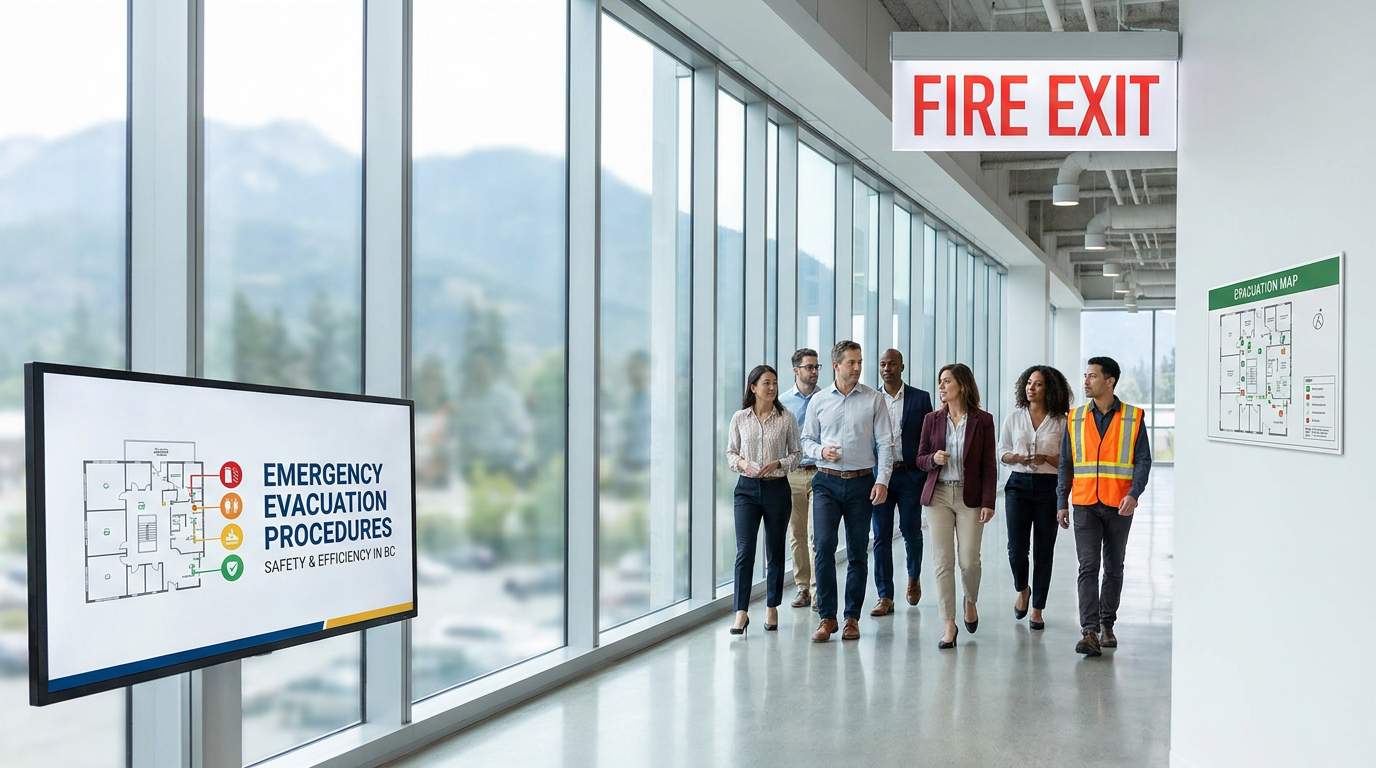
- Procedures for recharging batteries or refueling propane tanks safely near designated fire exits.
To reinforce these rules, employers should utilize effective safety signage throughout the facility to mark forklift zones, blind corners, and pedestrian walkways.
3. Conduct Regular Equipment and Safety Audits
Regular safety audits are essential for identifying latent hazards before they cause an accident. In the Lower Mainland’s busy shipping hubs, equipment wear and tear happens quickly due to high volume. Audits should focus on the mechanical integrity of the forklift fleet, the condition of warehouse racking, and the clarity of floor markings.
Furthermore, employers should review their workplace preparedness. Issues such as inadequate first aid provision can lead to worsened outcomes in an emergency. Ensure that first aid kits and certified attendants are accessible from the loading docks where forklift activity is highest.
4. Integrate Technology and Inventory Management
Efficient warehouse management also relies heavily on technical organization. Forklifts maximize their value when integrated with a robust Warehouse Management System (WMS). By using digital tracking and clear labeling, operators spend less time "searching" and more time "moving." This synergy reduces unnecessary machinery travel time, which lowers fuel costs and reduces the risk of collisions in congested areas across Vancouver and Surrey warehouses.
Secure Your Warehouse Success with Metro Safety Training
Optimizing your warehouse is not just about moving faster—it is about moving smarter and safer. Whether you are managing a logistics hub in Coquitlam or a manufacturing plant in Surrey, Metro Safety Training provides the WorkSafeBC-compliant courses you need to protect your workforce. From Basic First Aid (OFA 1) to advanced operator certification, we are here to help you build a culture of excellence.
Don't wait for an inspection or an accident to upgrade your standards. Contact Metro Safety Training today to schedule your next on-site or in-class training session and ensure your team is operating at peak efficiency and safety.
Frequently Asked Questions
Need Safety Training?
Metro Safety Training runs WorkSafeBC-recognized first aid, CPR and workplace safety courses in Coquitlam, Surrey and Burnaby, and on-site anywhere in Metro Vancouver.
coquitlam
surrey