Metro Safety Training Team
Certified Instructor & Editorial Team
In today’s fast-paced industrial landscape across the Lower Mainland, the importance of an effective emergency response plan cannot be overstated. Organizational leaders from Coquitlam to Vancouver must not only prepare for potential crises but also ensure their teams are professionally trained to respond with precision. Optimizing emergency response plans through advanced training techniques—such as Advanced First Aid (OFA 3)—can significantly enhance an organization’s preparedness and ensure compliance with strict WorkSafeBC regulations.
What is an Emergency Response Plan?
An emergency response plan is a structured set of actions taken during an incident to minimize harm, protect lives, and safeguard property. In British Columbia workplaces, these plans are mandated by the Occupational Health and Safety Regulation to ensure that every worker knows exactly what to do when a crisis occurs. These incidents in BC workplaces can vary widely, from natural disasters to specialized industrial accidents.
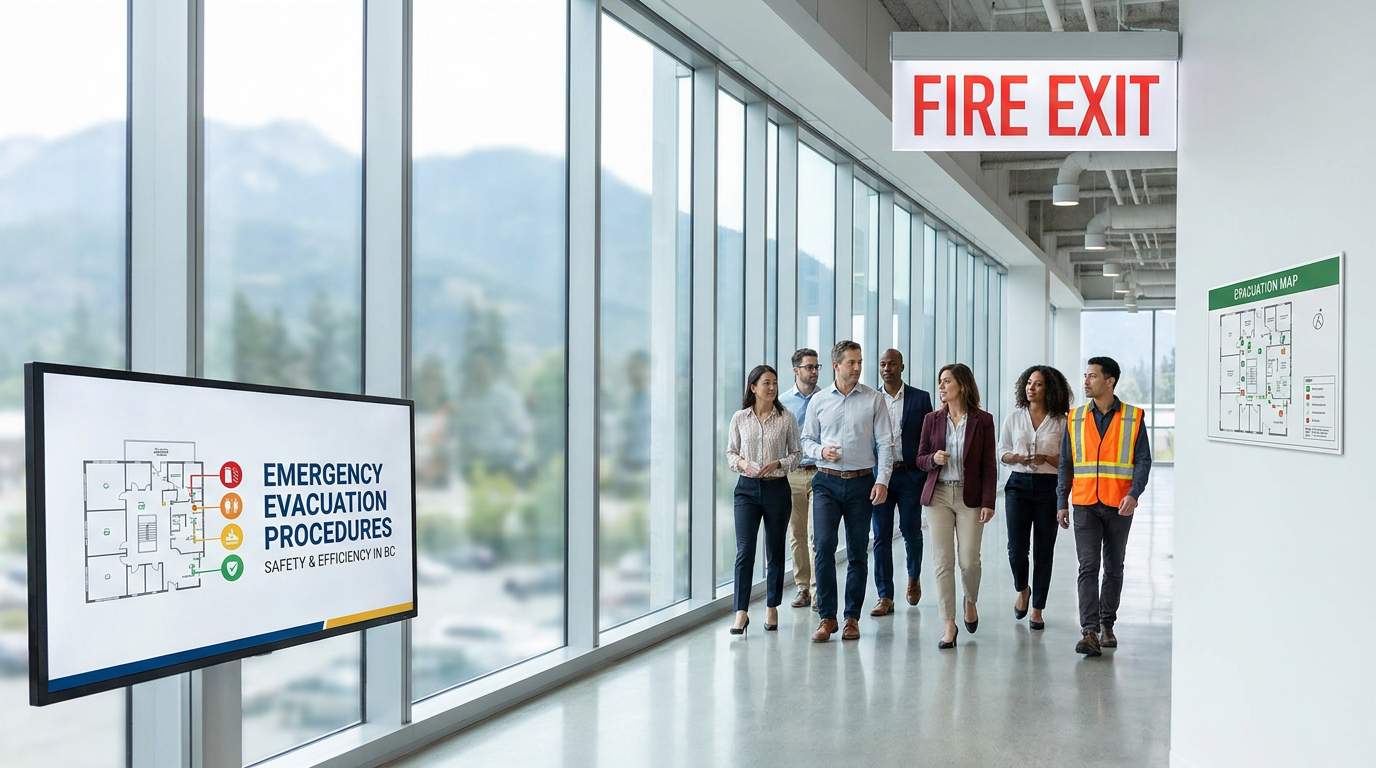
A well-structured plan outlines procedures for responding to emergencies efficiently. However, the real challenge lies in execution; having a manual on a shelf is not enough. To truly protect workers in Metro Vancouver, organizations must bridge the gap between theory and real-world application through hands-on training and regular drills. Without proper training, even the best plan may fail during the high-stress moments of a real emergency.
The Role of Advanced Training Techniques in BC
Advanced training techniques play a critical role in optimizing safety protocols. They equip employees with the skills and confidence needed to act decisively. Here are several advanced techniques that organizational leaders should implement to stay ahead of WorkSafeBC first aid requirements.
1. Scenario-Based Training
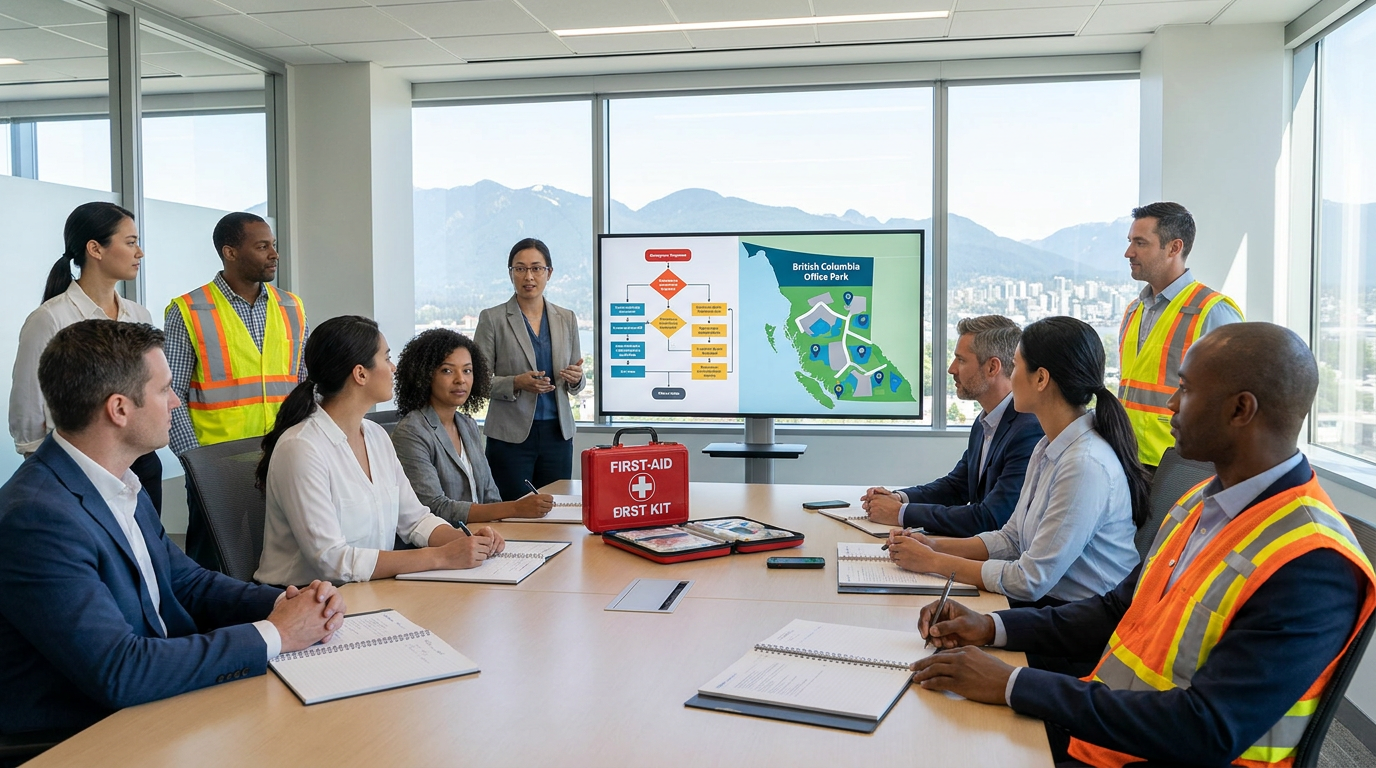
One of the most effective ways to prepare employees for emergencies is through scenario-based training. This approach immerses participants in realistic situations, such as simulated construction site accidents or chemical leaks. By simulating various scenarios, employees develop critical muscle memory, making it easier to react appropriately under the high-stress conditions typical of a Surrey or Burnaby worksite.
2. Incorporating Safety Technology
Modern technology can significantly enhance training effectiveness. As discussed in our look at technology in modern first aid, digital tools such as VR or AR can create immersive experiences that mimic real-life hazards without the physical risk. Additionally, online platforms offer flexibility, though it is important to remember that online first aid courses usually require an in-person component to meet BC’s legal certification standards for the workplace.
3. Cross-Training for Organizational Resilience
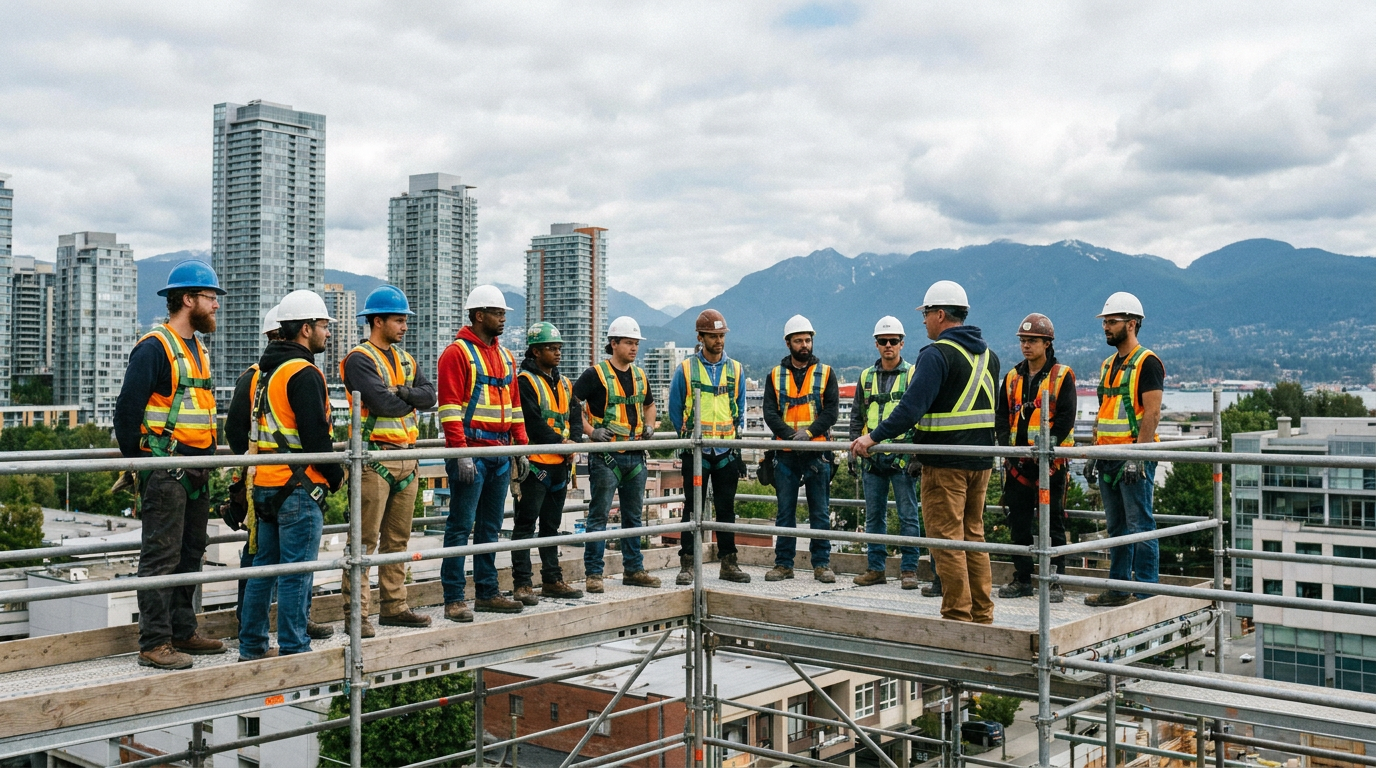
Cross-training employees in multiple safety roles improves overall resilience. When team members understand various facets of response—from Fall Protection Training to fire response—they can fill critical gaps during a crisis. For instance, a worker with Basic First Aid (OFA 1) can provide immediate life-saving care while a more advanced responder is being summoned from another part of the facility.
Integrating Advanced Programs into Your Safety Framework
To optimize your plan, it is crucial to integrate specific certifications with your existing safety protocols. This ensures a cohesive strategy that is easy for employees to follow in the Vancouver area.
- High-Risk Environments: High-risk industries in the Lower Mainland often require specialized certifications like Confined Space Safety to manage toxic atmospheres or entrapment risks common in utility and industrial work.
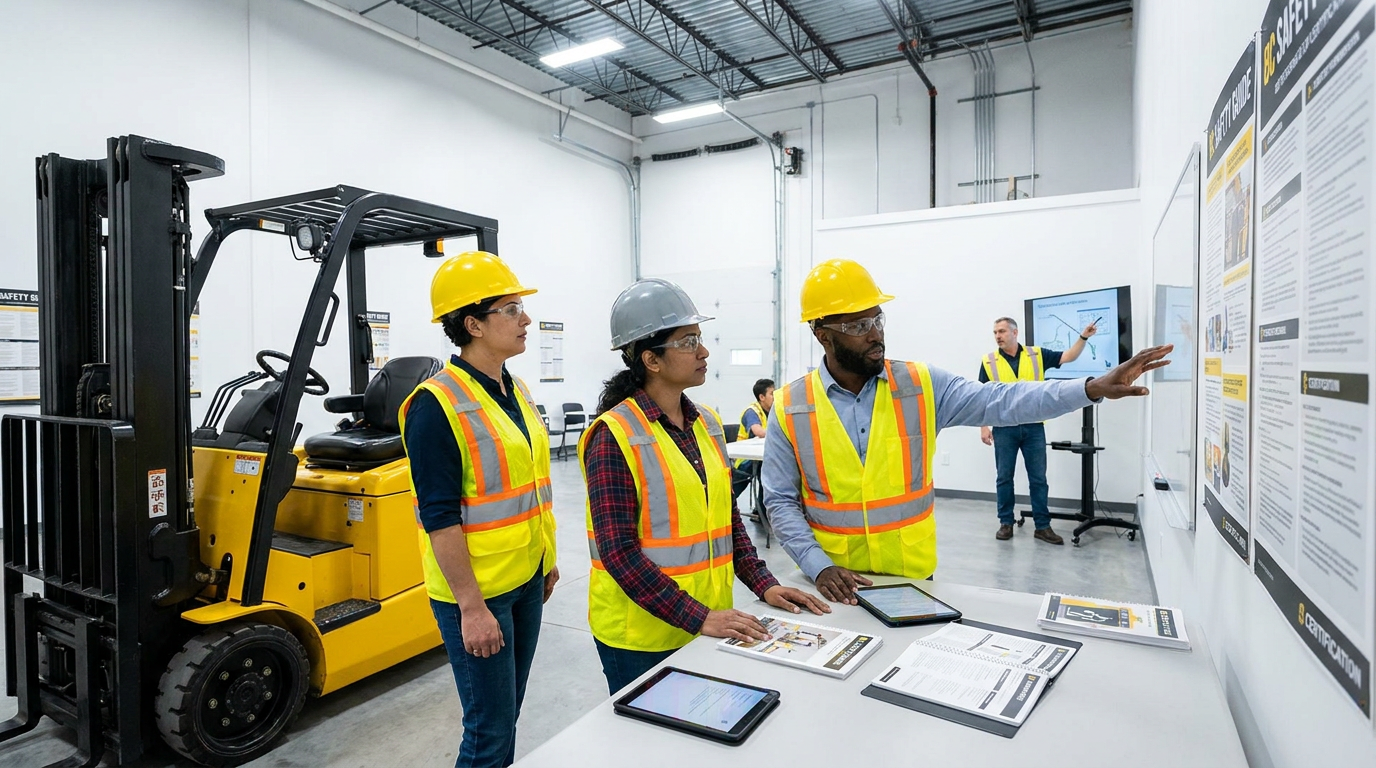
- Logistics and Warehousing: For operations in Richmond or Delta, combining Forklift Certification with emergency response training ensures operators can handle equipment-related trauma safely and efficiently.
- Medical Readiness: Moving beyond basic requirements by training staff in Intermediate First Aid (OFA 2) provides a higher level of care for sites located further from hospital hubs like those in rural parts of the Fraser Valley.
The Importance of Mental Health Preparedness
Emergency situations are psychologically taxing. Integrating Psychological First Aid into your emergency preparedness plan is essential. Employees should be trained to recognize signs of stress and trauma in themselves and their colleagues, which supports a healthier, more resilient work environment after a critical incident occurs. This holistic approach ensures that "safety" covers both physical and mental well-being.
Best Practices for BC Organizational Leaders
For leaders in Metro Vancouver, developing a comprehensive framework requires a proactive approach:
- Assess Risks and Needs: Conduct a thorough assessment of potential hazards specific to your location and industry to ensure your first aid kits and response equipment are appropriate.
- Engage Employees: Involve staff in the development of safety plans to foster a sense of ownership and accountability.
- Conduct Regular Drills: Practice makes perfect. Regular drills highlight gaps in the 3 Cs of first aid and overall response time.
- Evaluate and Update: BC regulations evolve. Regularly review your safety management plans to ensure they align with the latest WorkSafeBC occupational health and safety standards.
Conclusion: Building a Safer BC Workplace
Optimizing emergency response plans through advanced training is not just a regulatory hurdle; it is a commitment to the well-being of your workforce. By implementing scenario-based learning, cross-training, and specialized certifications, organizations across the Lower Mainland can significantly enhance their emergency capabilities. Protecting your employees and ensuring their safety during a crisis is the foundation of a successful business in British Columbia.
Ready to elevate your team's preparedness? Invest in professional training today to ensure your workplace is ready for tomorrow’s challenges. Contact Metro Safety Training for expert guidance on WorkSafeBC-compliant courses and safety consultation.
Frequently Asked Questions
Need Safety Training?
Metro Safety Training runs WorkSafeBC-recognized first aid, CPR and workplace safety courses in Coquitlam, Surrey and Burnaby, and on-site anywhere in Metro Vancouver.
coquitlam
surrey