Metro Safety Training Team
Certified Instructor & Editorial Team
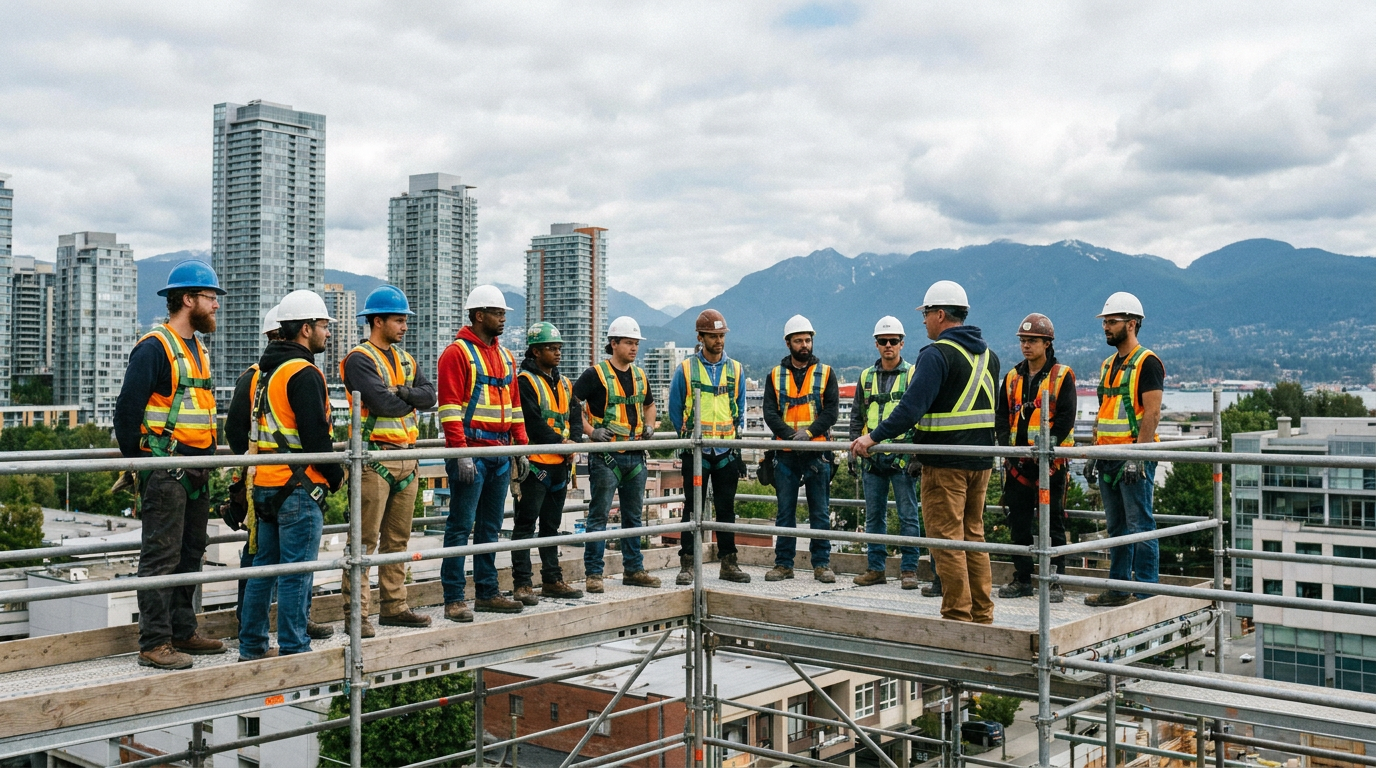
The construction industry in British Columbia presents numerous occupational hazards, particularly when workers are exposed to high-risk materials like asbestos, lead, and silica. Managing these risks in the Lower Mainland requires more than basic awareness; it demands advanced strategies encompassing thorough risk assessment, proper Personal Protective Equipment (PPE), and continuous employee education. To remain compliant with WorkSafeBC regulations, construction professionals must move beyond simple recognition and implement robust safety protocols and specialized training.
This guide explores advanced techniques for managing lead and silica risks alongside asbestos hazards through better control measures, enhanced training programs, and effective safety planning. These approaches are vital for ensuring worker safety on Canadian construction sites, especially when navigating the evolving industry standards in cities like Coquitlam, Vancouver, and Surrey.
The Health Risks of Asbestos, Lead, and Silica in BC
Understanding the long-term health implications of hazardous material exposure is the first step in effective construction site safety BC protocols. In British Columbia, these three substances remain the leading causes of occupational disease claims.
Asbestos Risks in Construction
Asbestos, historically prized for its fire-resistant properties, was extensively used in BC buildings until its severe health hazards were understood. When asbestos fibers are released during demolition or renovation, workers may inhale them, leading to diseases such as asbestosis, lung cancer, or mesothelioma. This underscores why Asbestos Awareness training is essential for anyone handling asbestos-containing materials (ACMs) in the Metro Vancouver area.
Lead Exposure on Construction Sites
Lead is frequently found in older building materials, including pipes and paints. Activities like removing old paint can release lead dust, causing potential exposure through inhalation. Lead poisoning is a serious risk that impacts the nervous system. Implementing advanced control strategies and ensuring workers have completed Emergency First Aid & CPR/AED can help teams respond effectively to exposure incidents on-site.
Silica: The Silent Threat to Vancouver Workers
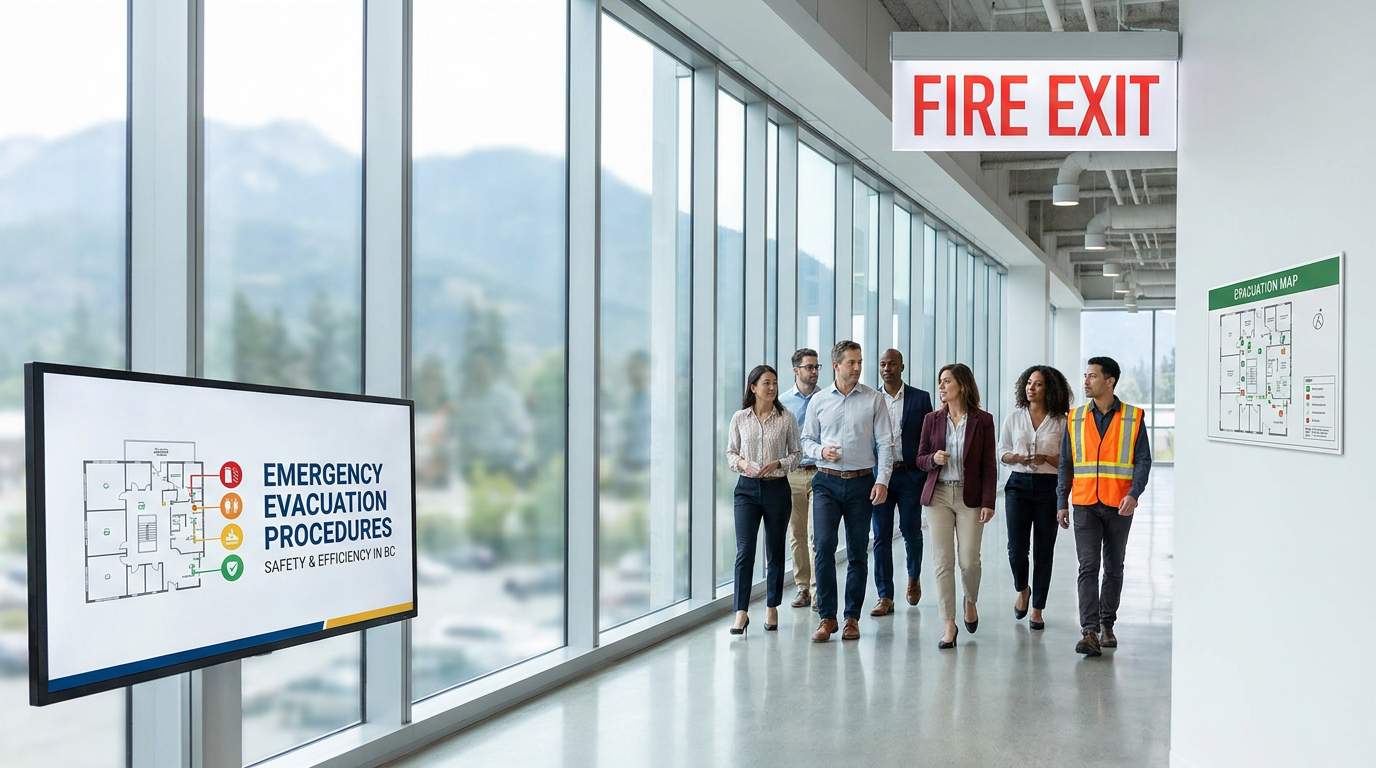
Crystalline silica, present in concrete and mortar, is released as dust during cutting or grinding. Inhaling these particles can lead to silicosis, a chronic lung disease. In the Vancouver area, where concrete construction is prevalent, WorkSafeBC guidelines emphasize the need for respirable dust control and specialized training to limit exposure. Proper effective safety signage is also required to mark silica-controlled zones.
Advanced Risk Assessment for Hazardous Materials
The most effective way to manage these hazards is through detailed, site-specific risk assessments. This process goes beyond general inspections and includes:
- Comprehensive Hazard Identification: Surveying structures for ACMs and lead-based paints before work begins.
- Exposure Monitoring: Using air sampling devices to track hazardous particle concentrations in real-time across Lower Mainland jobsites.
- Health Risk Evaluation: Assessing the likelihood of exposure and ensuring workers hold valid Advanced First Aid (OFA 3) certifications for high-risk environments.
Engineering Controls to Reduce Exposure
WorkSafeBC follows the "Hierarchy of Controls," where engineering solutions are preferred over relying solely on PPE. Key engineering controls include:
- Local Exhaust Ventilation (LEV): Capturing contaminants at the point of release before they disperse.
- Wet Methods: Using water to suppress dust while cutting silica-containing materials. Combined with Basic First Aid (OFA 1), these preventative measures significantly lower site risk.
- Isolating Work Zones: Using enclosures for asbestos removal. Workers must be trained in Confined Space Safety to navigate these restricted areas without cross-contamination.
PPE and Respiratory Protection Standards
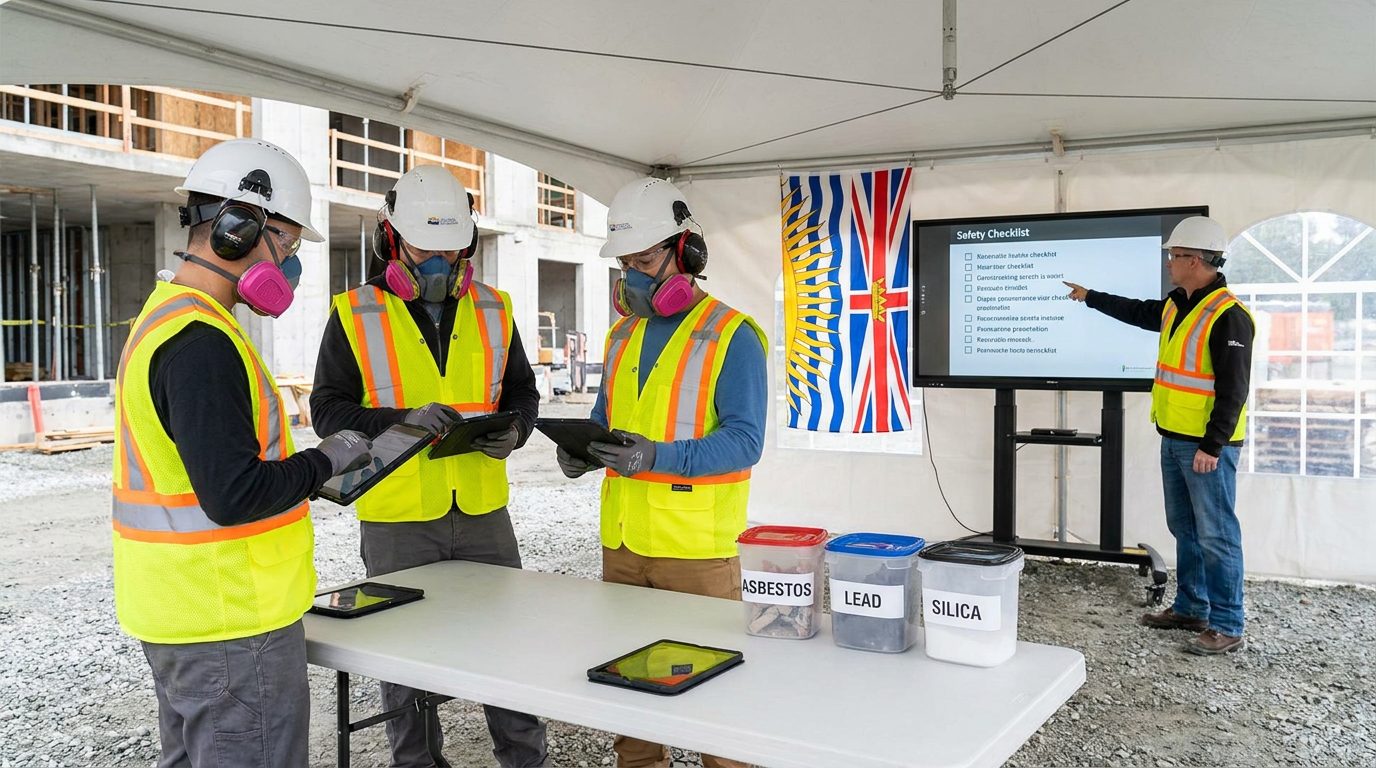
While engineering controls are the first line of defense, PPE is the final barrier. Properly fitted respirators are critical for those dealing with airborne toxins. It is important to note that an online first aid course BC is often insufficient for high-risk PPE requirements; hands-on training and fit testing are vital for compliance. Protective clothing must be donned and doffed correctly to prevent bringing hazardous dust home to families in Surrey or Burnaby.
Enhancing Worker Competency in the Lower Mainland
Advanced training tailored to specific hazards ensures that workers can respond quickly in emergencies. Metro Safety Training provides several pathways for professionals:
- Specialized Certifications: For those in lead or asbestos abatement, Intermediate First Aid (OFA 2) offers the skills needed to manage complex injuries.
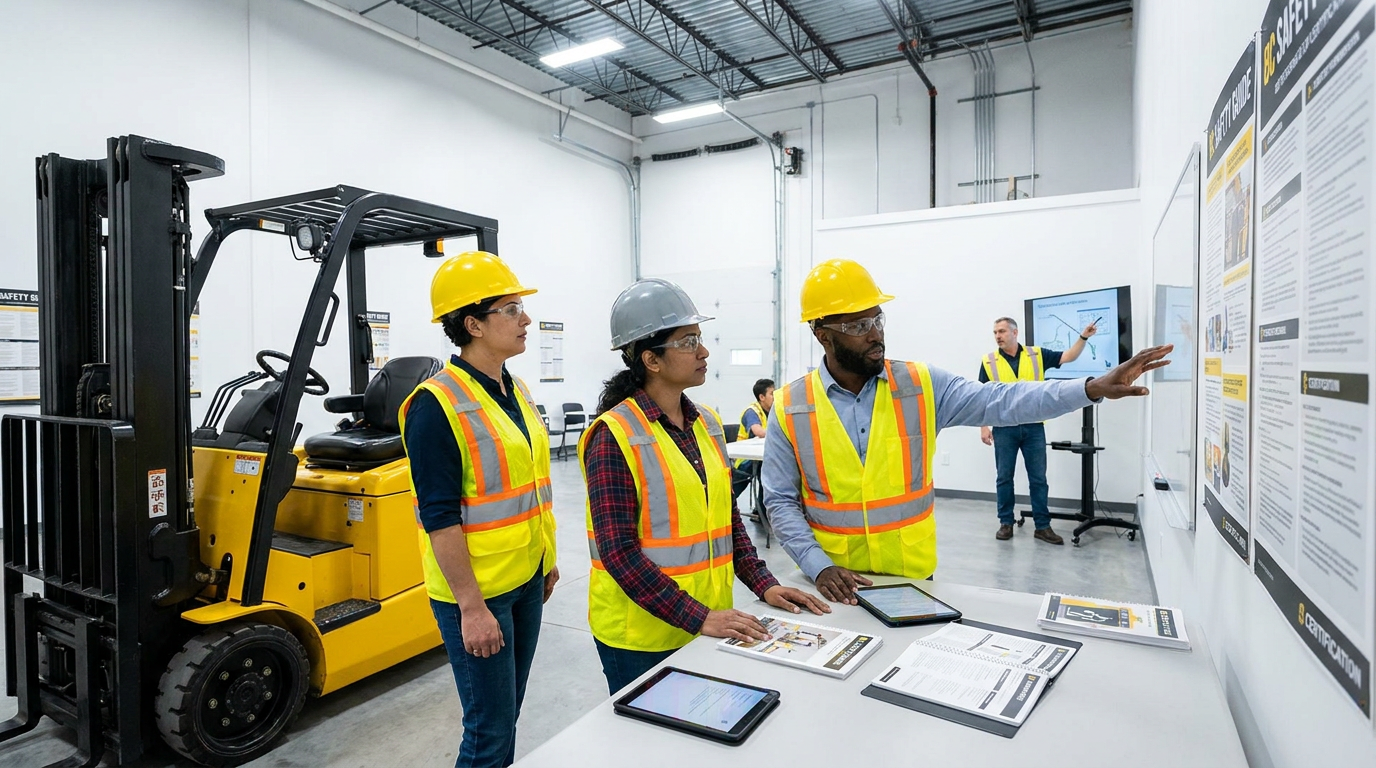
- Worksite Standards: Many BC sites require CSTS Training to ensure a baseline of safety knowledge before arriving on-site.
- Local Access: We offer convenient training at our Coquitlam (Main Campus) and other Metro Vancouver locations to keep your crew certified.
Summary of Construction Safety Management
Comprehensive safety management in the BC construction industry requires a proactive stance against "silent" killers like asbestos, lead, and silica. By combining advanced engineering controls with WorkSafeBC-compliant training from Metro Safety Training, employers can protect their most valuable assets—their workers. Whether you are operating in the heart of Vancouver or near the SkyTrain in Coquitlam, staying prepared with professional certification is the only way to ensure every worker goes home safe at the end of the shift.
Ready to upgrade your site safety? Contact Metro Safety Training today to schedule your next certification.
Frequently Asked Questions
Need Safety Training?
Metro Safety Training runs WorkSafeBC-recognized first aid, CPR and workplace safety courses in Coquitlam, Surrey and Burnaby, and on-site anywhere in Metro Vancouver.
coquitlam
surrey