Metro Safety Training Team
Certified Instructor & Editorial Team
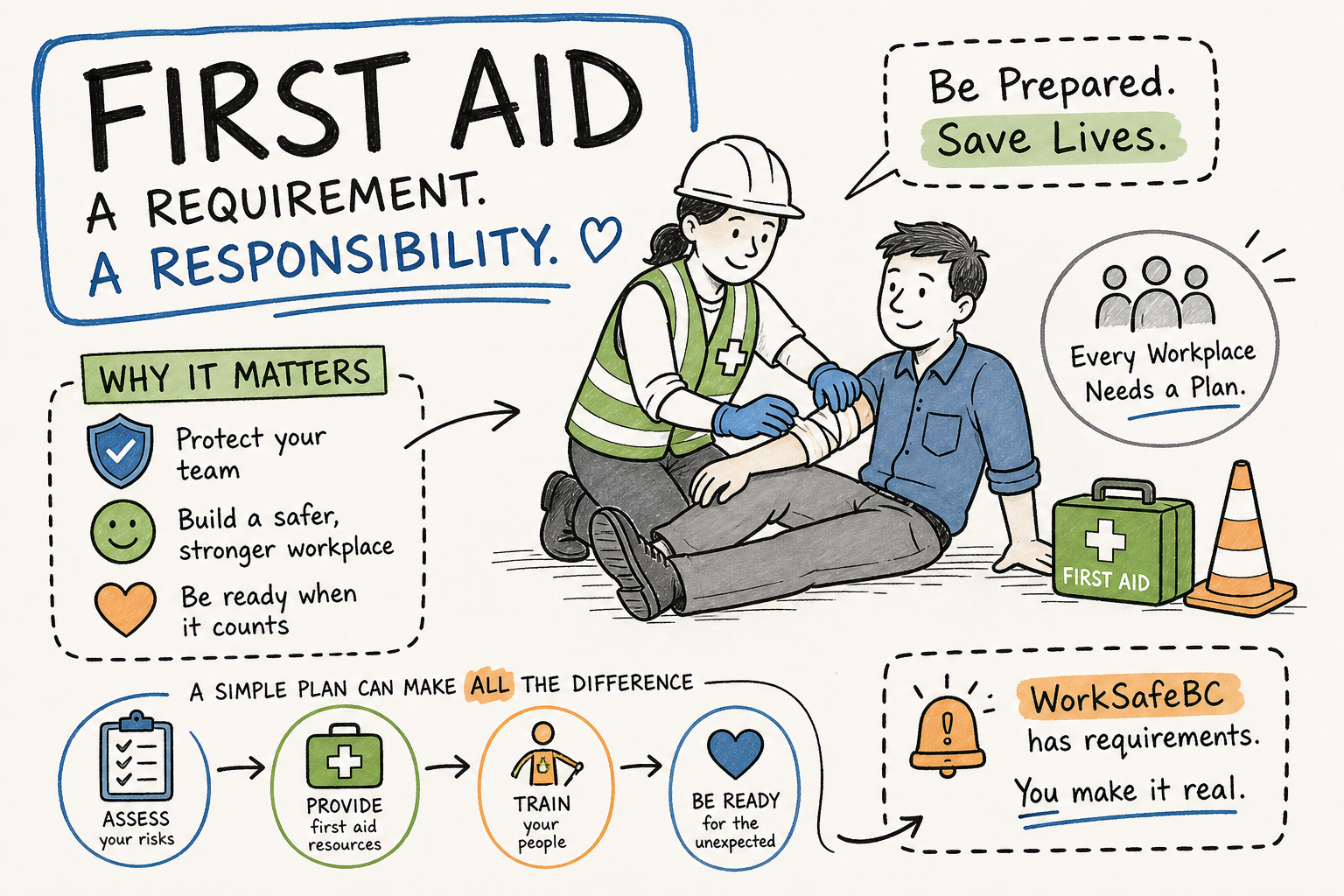
In British Columbia, workplace safety regulations require employers to provide adequate first aid resources for their workers. These resources often include well-trained staff capable of responding to emergencies effectively. However, navigating the complex regulatory requirements for advanced first aid can be challenging for organizations, especially those operating in high-risk industries like construction, manufacturing, and forestry across the Lower Mainland.
This guide explores the intricate regulatory landscape for Occupational First Aid (OFA), specifically focusing on the shift toward WorkSafeBC's new classification system and how businesses in Coquitlam, Surrey, and Vancouver can ensure total compliance and provide a safe environment for their employees.
The Importance of First Aid Compliance in BC
First aid compliance refers to adherence to regulatory standards set by governing bodies that ensure workplaces are equipped with proper first aid resources. In Canada, occupational health and safety (OHS) regulations are mandated at both federal and provincial levels. For most local businesses, understanding WorkSafeBC first aid requirements is the primary legal framework to follow. Employers must understand these frameworks to prevent legal liabilities and, more importantly, save lives. Failing to do so can lead to hazards of inadequate first aid provision, including worsened injuries and heavy fines.
Regulatory Bodies Governing First Aid in Canada
The regulations surrounding occupational advanced first aid are governed by various bodies based on the nature of the work and the number of employees.
WorkSafeBC (Provincial)
For businesses in British Columbia, WorkSafeBC regulates first aid training courses and equipment standards. Under the 2024 updates, the province has shifted terminology to align with national standards, categorizing courses as Basic, Intermediate, and Advanced. High-risk industries are frequently mandated to have staff who have completed Advanced First Aid (OFA 3) training to manage complex medical emergencies.
Federal OHS Regulations
At the federal level, the Canada Occupational Health and Safety Regulations (COHSR) set minimum standards for federally regulated industries such as transportation, telecommunications, and banking. Regardless of jurisdiction, the goal remains the same: ensuring trained personnel are reachable when a medical crisis occurs.
Compliance Strategies for BC Employers
Navigating these regulations can be challenging for large organizations operating in multiple cities like Burnaby or Richmond. Here are four essential strategies to ensure your business remains compliant:
1. Conduct a Detailed Risk Assessment
The first step toward compliance is conducting a comprehensive risk assessment. This identifies potential hazards and determines the level of first aid resources required. High-risk environments, such as construction sites, require more robust measures than office settings. This often involves ensuring multiple employees are certified through advanced first aid training.
2. Establish a Fall Protection Safety Plan
Specific regulatory requirements for construction and industrial sectors in the Lower Mainland include a fall protection safety plan. Since falls are a leading cause of injury in BC, employers must provide Fall Protection Training alongside first aid. An effective plan outlines equipment use and procedures for responding to fall-related trauma safely.
3. Choose an Accredited Training Provider
Not all training programs meet WorkSafeBC standards. It is critical to select a reputable provider whose certifications are recognized by provincial authorities. Whether you are looking for first aid training in Coquitlam or onsite training in Vancouver, ensure the curriculum adheres to the latest WorkSafeBC guidelines.
4. Manage Certification Expiry
First aid certifications are not permanent. For instance, Advanced First Aid Renewal is typically required every three years. Employers should maintain a centralized record of all certifications to ensure no gaps in coverage occur, which could lead to non-compliance penalties.
Certification Levels for Advanced First Aid in BC
Advanced First Aid is the highest level of workplace first aid certification in British Columbia, specifically designed for high-risk or remote environments where the "time to hospital" is greater than 20 minutes. It equips workers to handle life-threatening trauma and stabilize patients until paramedics arrive.
Intermediate and Basic Levels
For lower-risk or smaller workplaces, an Intermediate First Aid (OFA 2) or Basic First Aid (OFA 1) certificate may be sufficient. These courses cover essential life-saving skills like CPR and AED usage, which are fundamental for workplace safety in Vancouver businesses.
Best Practices for Maintaining Workplace Safety
Compliance is an ongoing process. To maintain a safe environment in Metro Vancouver workplaces, follow these best practices:
- Regular Drills: Don't let skills get rusty. Run quarterly emergency drills to ensure staff know exactly where the first aid kits are and how to use them.
- Stocked Kits: Regularly audit your equipment. Our first aid kit guide helps you identify necessary items to replace before they expire.
- Stay Informed: Regulation updates can happen annually. Monitor WorkSafeBC announcements to stay ahead of new requirements.
Conclusion
Staying compliant with WorkSafeBC’s evolving standards is more than just a legal obligation; it is a commitment to the safety and well-being of every person on your team. By conducting regular risk assessments, choosing accredited training, and keeping certifications up to date, BC employers can navigate even the most complex regulatory landscapes with confidence. Ready to ensure your workplace meets all regulatory requirements? Contact Metro Safety Training today to schedule your training in Coquitlam, Surrey, or throughout the Lower Mainland.
Frequently Asked Questions
Need Safety Training?
Metro Safety Training runs WorkSafeBC-recognized first aid, CPR and workplace safety courses in Coquitlam, Surrey and Burnaby, and on-site anywhere in Metro Vancouver.
coquitlam
surrey
Upcoming Related Courses
AFA- Oct 26- Nov 6, 2026
October 26, 2026
6a1763b2-4c7b-4caa-81f1-c292cd1054d8
$889
Basic First Aid- October 27,2026-Coquitlam
October 27, 2026
6a1763b2-4c7b-4caa-81f1-c292cd1054d8
$98
Intermediate First Aid-October 27-28, 2026-Coquitlam
October 27, 2026
6a1763b2-4c7b-4caa-81f1-c292cd1054d8
$178
AFA-R November 2-6, 2026 Coquitlam, BC
November 2, 2026
6a1763b2-4c7b-4caa-81f1-c292cd1054d8
$698
Intermediate First Aid-November 3-4, 2026-Coquitlam
November 3, 2026
6a1763b2-4c7b-4caa-81f1-c292cd1054d8
$178
Basic First Aid-November 3, 2026
November 3, 2026
6a1763b2-4c7b-4caa-81f1-c292cd1054d8
$98