Metro Safety Training Team
Certified Instructor & Editorial Team
High-traffic and complex work zones across Metro Vancouver present unique hazards that require expert management. From the busy intersections of Coquitlam to major highway projects in Surrey, Traffic Control Persons (TCPs) serve as the front line of site safety. Proper Traffic Control Person (TCP) training is not just a career asset—it is a vital requirement for ensuring the safety of workers, motorists, and pedestrians throughout the Lower Mainland.
In British Columbia, the Occupational Health and Safety (OHS) Regulation requires that anyone directing traffic on a public roadway must be a "qualified person." Metro Safety Training provides the comprehensive, WorkSafeBC-approved curriculum necessary to earn this qualification. Let’s explore the details of this essential two-day course.
Core Components of TCP Training in Coquitlam and Surrey
The Traffic Control Person (TCP) Training offered by Metro Safety Training is a rigorous, two-day program designed for those working in high-risk traffic environments. As the only program accepted by WorkSafeBC, this course combines theoretical classroom instruction with practical, hands-on field experience to ensure every graduate is job-ready.
Day One: Classroom Training and Regulations
The first day focuses on the legal and theoretical framework of traffic control in BC. Key topics include:
- Roles and Responsibilities: Understanding the legal obligations of TCPs, employers, and supervisors under the Workers Compensation Act.
- Regulatory Standards: An overview of WorkSafeBC Part 18, the Ministry of Transportation (MoTI) Quality Control Manual, and the Motor Vehicle Act.
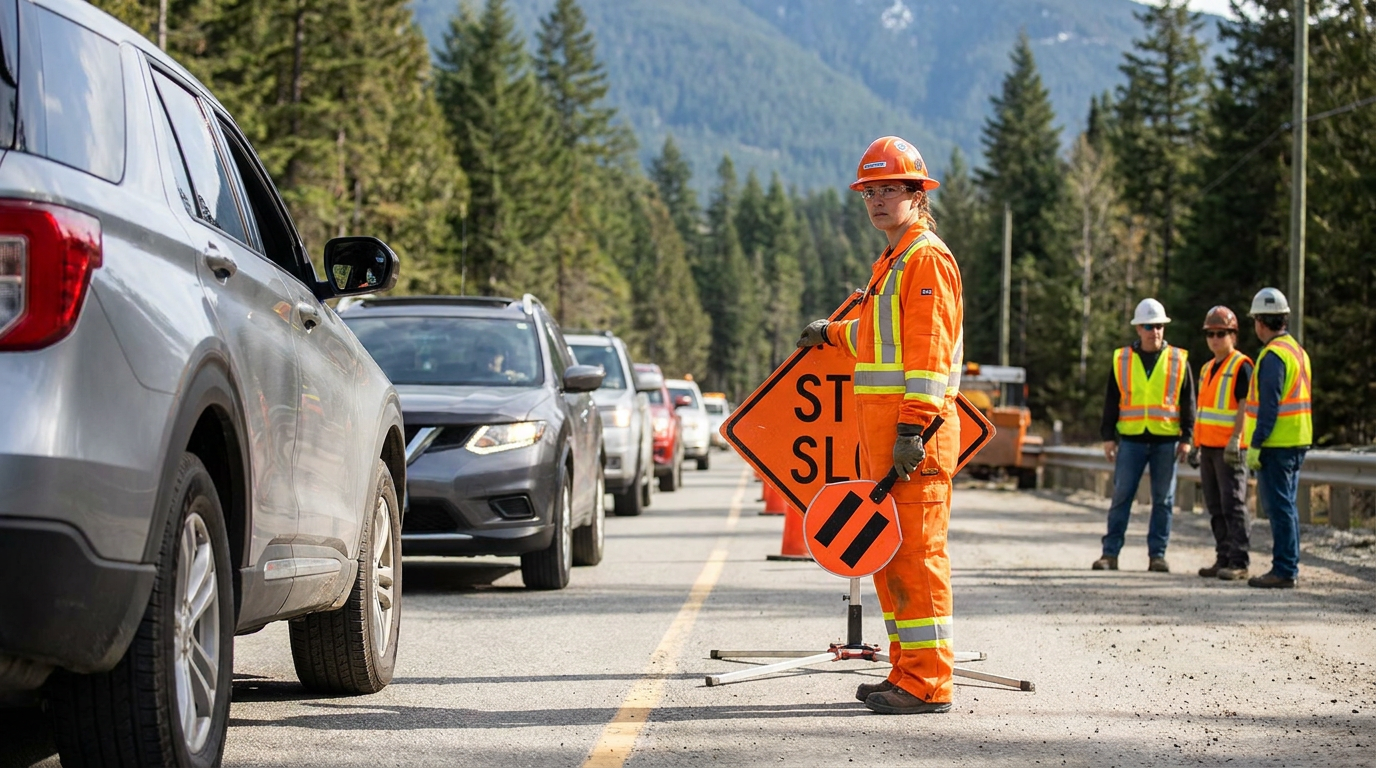
- Safety Apparel and Equipment: Detailed instruction on Personal Protective Equipment (PPE), including high-visibility requirements and proper use of the "Stop/Slow" paddle.
- Site Setup: Learning to interpret traffic control plans and understanding the placement of signs, cones, and barricades.
Day Two: Practical Evaluation and Field Skills
On the second day, students move from the classroom to practical application. This phase is crucial for building confidence before heading to a real-world site in Burnaby or Vancouver. Participants will engage in:
- Hands-on Zone Management: Setting up and dismantling work zones according to MoTI standards.
- Advanced Signalling: Practicing clear, authoritative hand signals and paddle positions to communicate with drivers and equipment operators.
- Performance Evaluation: To graduate, participants must pass a written exam with 80% and a practical evaluation with a perfect 100% score.
Advanced Techniques for Complex Metro Vancouver Work Zones
Managing traffic in high-density areas like New Westminster or the Lower Mainland's highway corridors requires advanced situational awareness. Our TCP training covers these high-level skills:
1. Navigating Complex Work Zone Layouts
A Traffic Control Person is responsible for more than just stopping cars. They must understand the geometry of a site—intersections, hidden driveways, and pedestrian crosswalks. TCPs learn how to guide motorists safely through these obstacles while minimizing travel delays.
2. Critical Communication Strategies
Effective communication is the backbone of site safety. What is the best way for a TCP to communicate? TCPs must use a combination of standard hand signals, two-way radios, and eye contact to manage flow. In loud, high-traffic environments, clear and consistent signaling prevents confusion and accidents.
3. Managing High-Speed and High-Volume Traffic
Directing traffic on high-speed roads in Surrey or Langley requires a different approach than a quiet residential street. Training includes techniques for early warning signaling and traffic calming measures to give drivers the time they need to react safely to work zone changes.
4. Coordinating with Heavy Machinery
TCPs often work alongside excavators, pavers, and rollers. A significant portion of training involves learning "blind spots" and coordinating traffic stops to allow for the safe movement of heavy equipment within the work zone boundaries.
BCCSA Certification and Validity
Upon successful completion of the course, participants receive a Record of Completion from the BC Construction Safety Alliance (BCCSA). This certification is the industry standard in British Columbia and is valid for three years. To remain compliant with WorkSafeBC regulations, TCPs must undergo re-certification training before their three-year window expires.
Conclusion: Lead the Way in Workplace Safety
Advanced TCP training does more than satisfy a legal requirement—it builds a safer work culture for everyone in the Lower Mainland. Whether you are an individual looking to enter the construction industry or an employer needing to certify a team in Surrey or Coquitlam, Metro Safety Training provides the expertise you need.
Ready to get started? Contact Metro Safety Training today to book your Traffic Control Person (TCP) training and take the first step toward a safer, qualified career in BC construction.
Frequently Asked Questions
Need Safety Training?
Metro Safety Training runs WorkSafeBC-recognized first aid, CPR and workplace safety courses in Coquitlam, Surrey and Burnaby, and on-site anywhere in Metro Vancouver.
coquitlam
surrey