Metro Safety Training Team
Certified Instructor & Editorial Team
Having the knowledge and skills to provide advanced first aid can be invaluable. Advanced first aid courses go beyond basic first aid training, equipping individuals with the ability to handle more complex medical emergencies.
In this blog post, we will explore the various types of first aid courses and explain their key features and benefits. So, let's dive in and explore the world of advanced first aid training!
Advanced Cardiac Life Support (ACLS)
ACLS is a comprehensive course designed for healthcare professionals, such as doctors, nurses, and paramedics. It focuses on advanced life support techniques for managing cardiac emergencies. Participants learn to recognize and intervene in cardiac arrest, perform cardiopulmonary resuscitation (CPR), use automated external defibrillators (AEDs), and administer medications to stabilize patients. ACLS training emphasizes teamwork and communication skills necessary for effective resuscitation efforts in a clinical setting.
Pediatric Advanced Life Support (PALS)
PALS is specifically tailored to healthcare providers who work with pediatric patients, including doctors, nurses, and paramedics. This first aid course teaches participants to respond to respiratory and cardiovascular emergencies in infants and children. PALS covers topics such as pediatric assessment, basic life support (BLS), advanced airway management, and the use of pediatric-specific equipment. The training emphasizes the importance of early recognition and intervention in pediatric emergencies to improve patient outcomes.
Advanced Trauma Life Support (ATLS)
ATLS is a course designed for medical professionals involved in caring for trauma patients, particularly doctors and surgeons. It focuses on the initial assessment and management of trauma patients, teaching participants systematic approaches to evaluating and stabilizing patients with severe injuries. ATLS covers a range of topics, including primary and secondary surveys, airway management, fracture management, and surgical skills for trauma resuscitation. This course emphasizes a structured and efficient approach to trauma care.

Advanced Burn Life Support (ABLS)
ABLS is a specialized first aid course that educates healthcare professionals on the management of burn injuries. It is particularly relevant for emergency room personnel, critical care nurses, and burn care providers. ABLS covers topics such as initial burn assessment, resuscitation, wound care, and management of specific burn injuries. The course focuses on providing comprehensive care to burn patients, including fluid resuscitation, pain management, and prevention of complications.
Wilderness First Aid (WFA)
WFA is a course designed for individuals who may find themselves in remote or outdoor environments where access to medical help is limited. This first aid course is a good option for outdoor enthusiasts, adventure guides, and wilderness professionals. WFA teaches participants how to provide first aid in challenging outdoor settings, including assessing and treating injuries, managing environmental emergencies, and improvising with limited resources. WFA emphasizes self-reliance and problem-solving in wilderness scenarios.

Occupational First Aid (OFA)
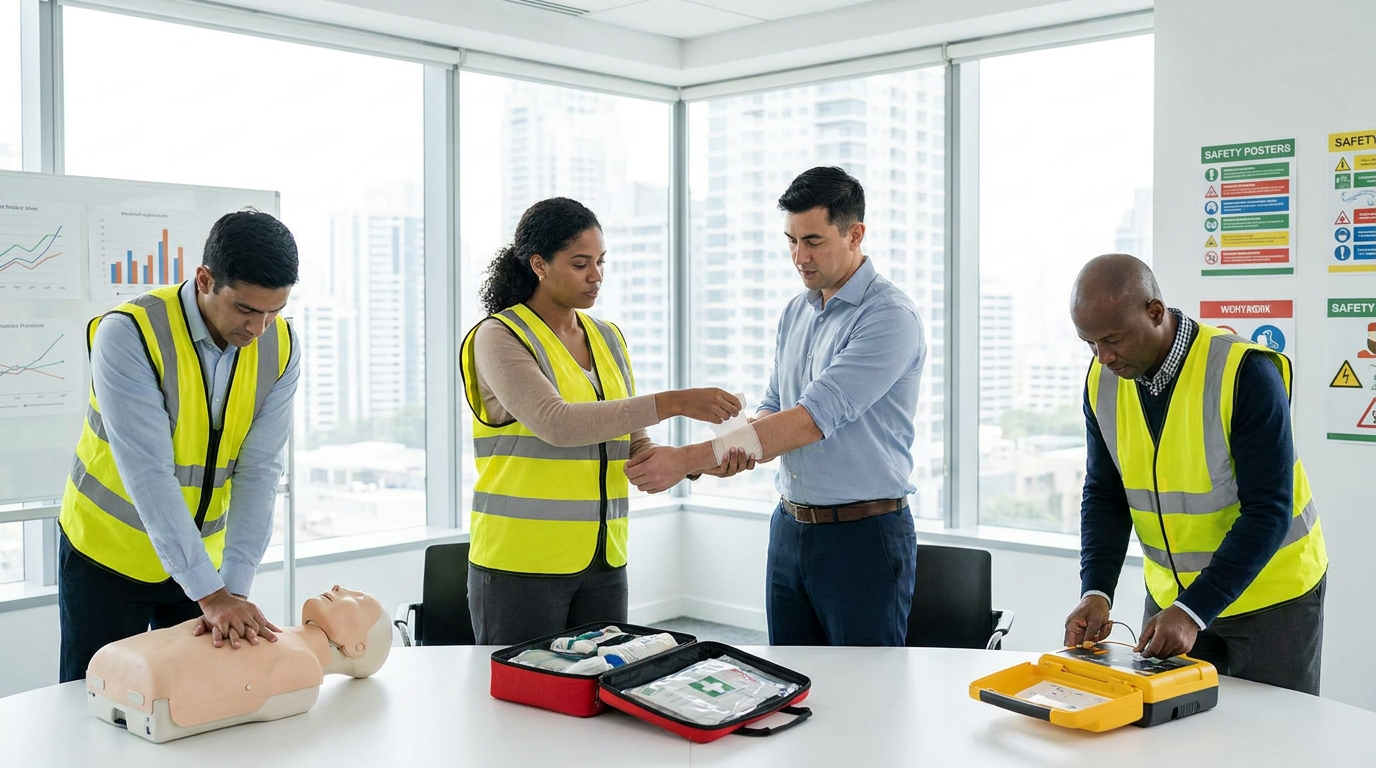
OFA courses are tailored to individuals working in high-risk occupations or industries, such as construction, manufacturing, and healthcare. These courses focus on providing immediate medical care in the workplace until professional help arrives. OFA training covers a range of topics, including CPR, AED usage, wound management, and splinting. Depending on the level of certification (such as OFA 2 or OFA 3), participants may learn more advanced skills, such as airway management and administering medications.
Advanced First Aid (AFA)
AFA courses are designed to equip individuals with advanced first aid skills for various contexts, including workplace emergencies, community response, and disaster situations. AFA training covers a broad range of topics, including basic life support, wound management, fracture management, and the use of emergency medical equipment. This course provides participants with the knowledge and skills necessary to respond effectively to medical emergencies in diverse settings.
All in all, advanced first aid courses offer specialized training for individuals who want to expand their knowledge and skills in emergency medical care. Whether you're a healthcare professional, outdoor enthusiast, or someone working in a high-risk industry, there's an advanced first aid course suited to your specific needs. From ACLS and PALS for medical professionals to WFA for outdoor enthusiasts, each course provides unique knowledge and skills to handle specific emergency situations.
So, if you're interested in becoming better prepared to respond to medical emergencies, consider exploring the world of advanced first aid training and find the course that aligns with your interests and profession.

Metro Safety is providing occupational first aid level 1, 2, and 3 courses to individuals in Vancouver. We're also providing confined space training, several types of first aid courses, and fall protection safety plans. If you want to become a responsible individual with the basic knowledge to save lives, check out other courses on our website and enroll today.
Need Safety Training?
Metro Safety Training runs WorkSafeBC-recognized first aid, CPR and workplace safety courses in Coquitlam, Surrey and Burnaby, and on-site anywhere in Metro Vancouver.
coquitlam
surrey